
Imagine seeing the world through a fogged-up window turned sparkling clear in an instant—that’s the life-changing promise of modern cataract surgery technology. Today’s advancements are making eye procedures more precise, gentle, and focused on you, the patient. If you’re considering cataract surgery or simply want to understand how this field is transforming lives, this comprehensive guide will walk you through the evolving innovations and patient experiences that now define the standard of care for restoring sight.
Transforming Vision: The Role of Cataract Surgery Technology in Modern Eye Procedures
- Learn how advancements in cataract surgery technology are enhancing patient outcomes.
The evolution of cataract surgery technology has dramatically elevated the standard for eye procedures. Modern techniques like femtosecond laser-assisted cataract surgery (FLACS) and premium intraocular lens (IOL) implants are redefining what it means to undergo cataract surgery, prioritizing safety, accuracy, and rapid vision recovery. Compared to traditional cataract extraction methods, today's procedures minimize surgical trauma and endothelial cell loss, making the experience safer and outcomes more predictable. Whether you need to treat white cataracts or pursue refractive cataract surgery for better vision without glasses, technology is on your side.
With breakthroughs such as high-resolution imaging and digital customization of treatment, ophthalmologists can tailor every step to the patient’s unique eye anatomy and individual needs. The result is not just improved visual acuity but also reduced discomfort and faster return to daily life. Eye procedures now offer solutions that weren’t possible even a decade ago, including the use of premium IOLs—multifocal, toric, and accommodating lenses—to address various vision needs. These innovations make cataract surgery an advanced, patient-centered journey.

What You'll Learn from This Guide to Cataract Surgery Technology
- The evolution of cataract surgery technology and eye procedures
- Key innovations like femtosecond lasers and advanced intraocular lenses
- Patient-centric benefits and improved surgical experiences
- Frequently asked questions related to cataract surgeries
This guide demystifies the technologies and techniques behind today’s cataract surgeries, from the moment you step into a clinic to the joy of sharper vision afterwards. You’ll see how decades of research and gradual improvements—such as femtosecond lasers and innovative IOLs—have made these eye procedures safer, quicker, and more reliable. You’ll also discover what sets modern methods apart, how they impact developing countries, and the real-world results for patients like you.
Whether you’re researching for yourself or a loved one, this guide will equip you to ask the right questions at your next consultation and empower you to make the best decisions alongside your eye surgeon. Read on to explore how cataract surgery technology is reshaping vision care worldwide.
Understanding Cataract Surgery Technology: A Foundation for Better Sight
Cataracts develop when the eye’s natural lens becomes cloudy, often due to changes in lentic proteins from age or other factors. The core of cataract surgery involves carefully removing this cloudy lens and replacing it with a clear intraocular lens implant, restoring visual acuity and quality of life. Over time, technology has advanced from intracapsular and extracapsular cataract extraction, which involved large incisions and longer recovery, to small incision cataract surgery with precision — all made possible by tools like the femtosecond laser.
These advancements have addressed major concerns in cataract procedures, such as minimizing endothelial cell loss and surgical trauma, reducing risks like posterior capsule opacification, and tailoring surgeries for patients in developing countries. With high-tech digital imaging, ophthalmologists map out each step to ensure lens placement is exact and visual outcomes are optimized. The science behind today’s procedures ensures that every eye procedure is as minimally invasive, patient-focused, and effective as possible.

Why Cataract Surgery Technology Matters for Today’s Eye Procedures
Today’s cataract surgery technology does more than restore vision; it sets a new standard for safety and patient satisfaction in all types of eye procedures. With every advance in surgical protocols and digital planning, patients benefit from reduced operative risks, fewer complications (such as posterior capsule rupture), and shortened recovery times. This matters even more for those with pre-existing eye health challenges or unique anatomical considerations.
In fact, technology has expanded access to safe and effective cataract extraction worldwide, even aiding those in developing countries who were previously underserved. The use of premium IOLs—such as multifocal IOLs for seeing at multiple distances or toric IOLs for astigmatism—means that vision after surgery can often surpass pre-cataract levels. Advanced tools, from femtosecond lasers to high-definition imaging systems, create a customizable experience tailored to individual visual needs and lifestyles.
| Aspect | Traditional Cataract Surgery | Modern Cataract Surgery Technology |
|---|---|---|
| Incision Size | Large (6-12mm) | Small, precise (2-3mm via femtosecond laser) |
| Lens Removal Method | Manual extraction (intracapsular/extracapsular) | Ultrasound & laser fragmentation |
| Lens Implant | Monofocal IOLs only | Premium IOLs (multifocal, toric, accommodating) |
| Recovery Time | Weeks to months | Days to weeks, faster vision recovery |
| Accuracy | Dependent on surgeon’s hand | Enhanced by digital imaging & femtosecond lasers |
| Risk of Complications | Higher (endothelial cell loss, capsule rupture) | Minimized through advanced monitoring & technology |
The Latest Advancements: How Femtosecond Laser Technology Elevates Cataract Surgery
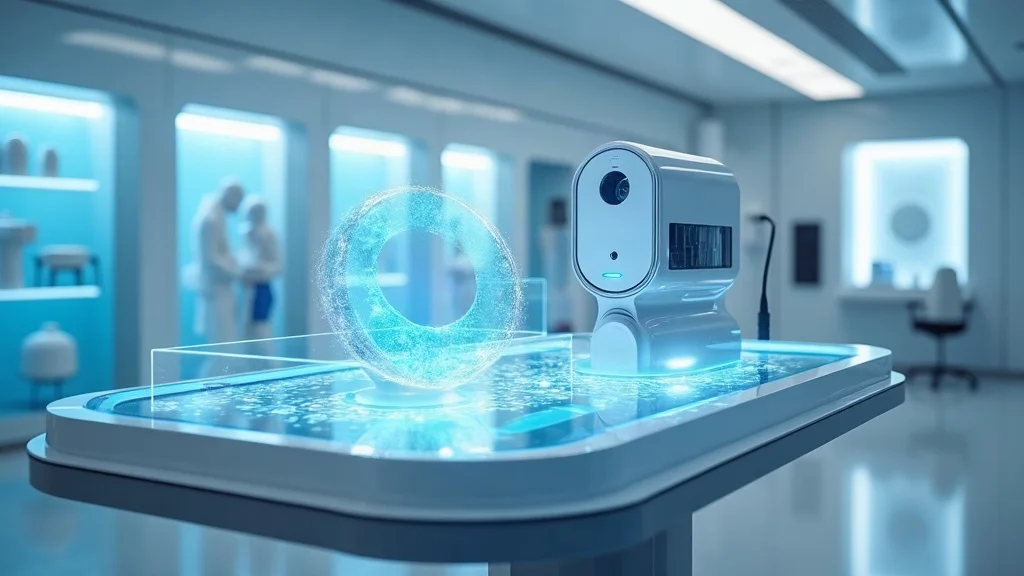
One of the most remarkable developments in cataract surgery technology is the use of femtosecond laser systems. These high-precision lasers automate key steps in cataract extraction, replacing some manual incisions and maneuvers with computer-guided energy pulses. As a result, procedures are gentler on the eye, leading to reduced trauma and more predictable healing. For those considering an eye procedure, this technology means less discomfort and dramatically reduced variability in outcomes.
FLACS may also offer tangible benefits for patients with complex cases, such as white cataracts or a history of endothelial cell loss, by minimizing intraoperative stress to delicate eye tissue. The adoption of femtosecond lasers in eye procedures has further closed the gap between surgical planning and real-time execution, allowing customization of incision size, shape, and placement. As technology improves, the promise of even safer, smoother surgeries becomes standard around the world.
How Femtosecond Laser Improves Precision in Eye Procedures
The femtosecond laser is a game-changer for cataract surgery. With sub-micron accuracy, it creates perfectly shaped incisions and assists in lens fragmentation, allowing for seamless cataract extraction. This reduces the risk of posterior capsule opacification and surgical trauma compared to manual techniques. In addition, the computer’s precision helps safeguard the eye’s vital structures, such as the cornea and endothelial cells, ensuring minimal cell loss and faster vision recovery.
This technology also streamlines the placement of intraocular lenses, achieving perfect alignment for premium and multifocal IOLs. For patients, it means fewer complications, a lower risk of needing glasses post-surgery, and a smooth overall experience during their eye procedure. The integration of femtosecond lasers within surgical suites exemplifies the synergy between human expertise and robotic accuracy—an approach that is becoming the gold standard for leading eye procedures.
Intraocular Lens Innovation: The Next Level of Cataract Surgery Technology
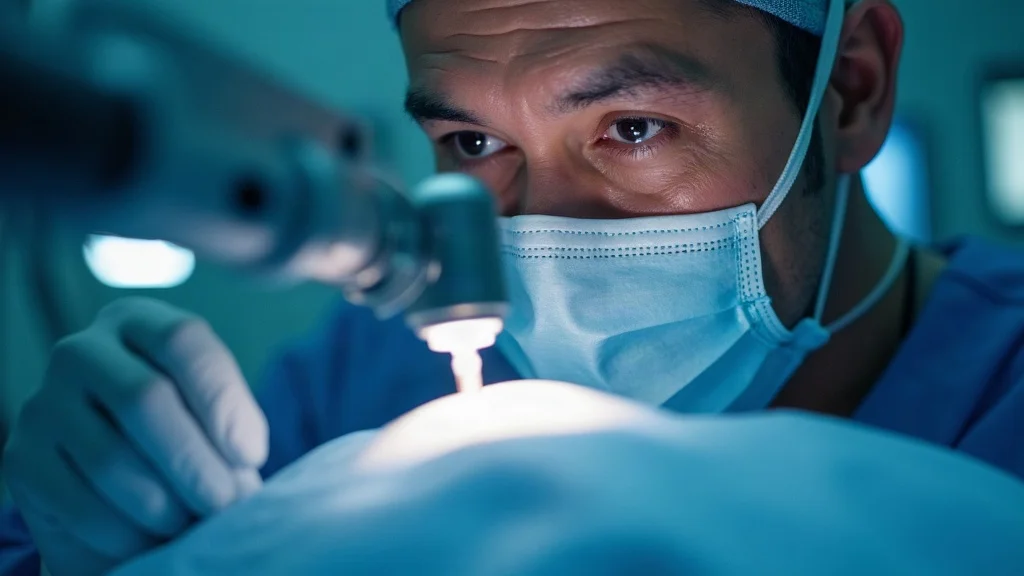
Vision historically relied on monofocal IOLs after cataract extraction, providing clear sight at a single focal point. Today, advanced intraocular lens technology caters to multiple distances and individual needs, offering solutions like multifocal IOLs, accommodating IOLs, and toric IOLs for astigmatism. Each option is designed to address specific vision requirements—whether for reading, distance, or both—allowing many to enjoy life without glasses after their eye procedure.
Modern premium IOLs are made from cutting-edge materials that replicate the flexibility and clarity of the natural lens. Surgeons select these lenses based on digital imaging and detailed pre-surgical mapping, ensuring the right match for every patient. Innovations such as SMART IOLs, with adjustable or programmable correction capabilities, further expand the possibilities for customized vision outcomes after cataract surgery.
Understanding Intraocular Lenses and Their Role in Enhancing Vision
- Types of intraocular lens (IOL) options
- How IOLs work in cataract surgery
- Customization and visual benefits
IOLs are more than artificial lenses; they are the heart of vision restoration during cataract surgery. Monofocal IOLs correct vision at one distance, multifocal IOLs provide both near and far clarity, and toric variants correct astigmatism. With careful preoperative assessments, surgeons recommend the ideal lens to suit individual needs and lifestyles. Because of the incredible biocompatibility and precision of these lenses, most patients achieve excellent visual acuity and can resume normal life quickly after their eye procedure.
Innovation continues to drive intraocular lens development. Some of the latest lenses are built to reduce glare, filter harmful blue light, and adapt over time to changes in vision, which can improve long-term satisfaction and comfort. These customizable implants are transforming what’s possible after cataract extraction—offering more patients the opportunity for sharp, lasting vision.
Step-by-Step: The Patient Journey Through Modern Cataract Surgery Technology
- Pre-surgery assessments
- Use of advanced imaging
- Femtosecond laser application
- IOL placement
- Recovery and follow-up
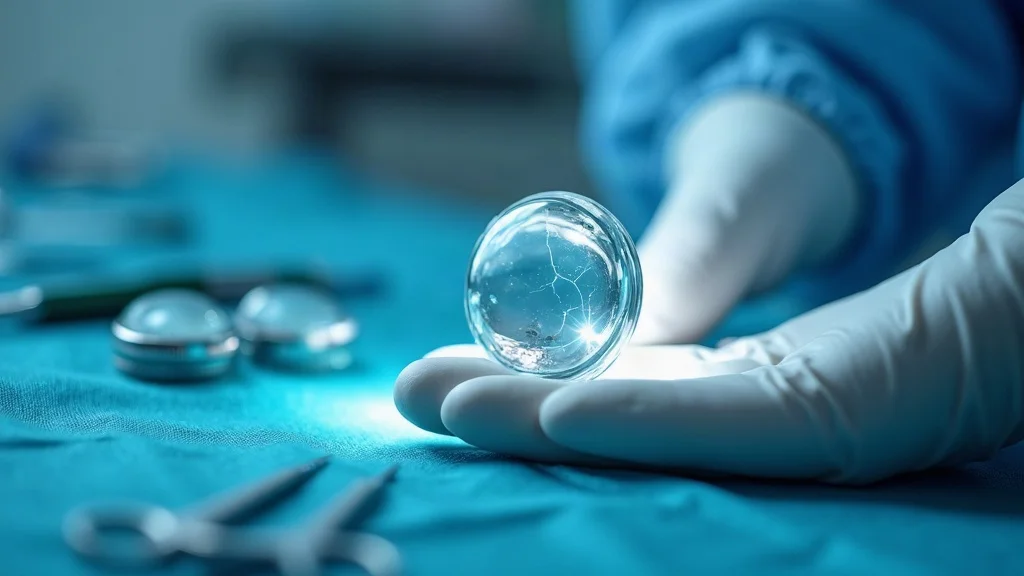
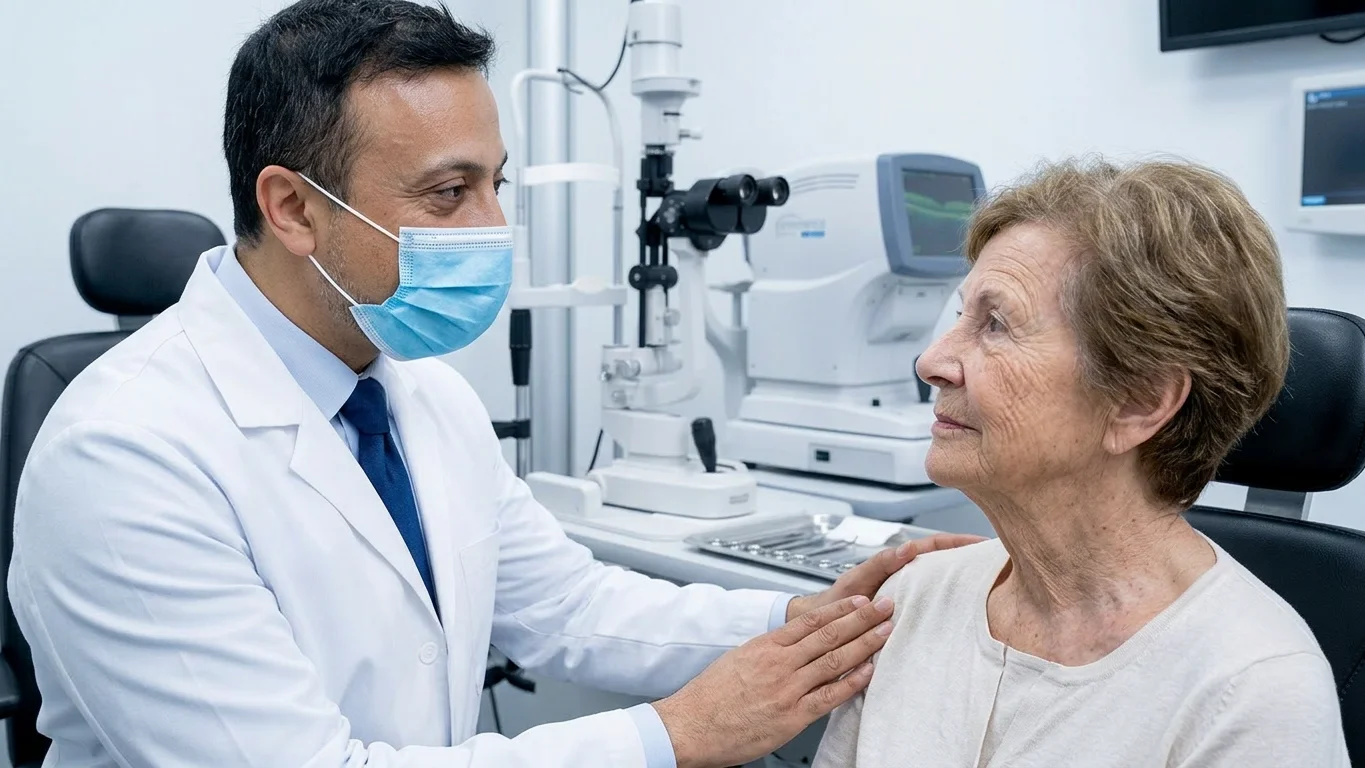
The patient experience starts with comprehensive eye assessments using high-definition imaging to map eye anatomy and diagnose visual needs. Customized planning uses this data to select the best surgical approach and lens type. On the day of surgery, the femtosecond laser performs the initial incisions and lens fragmentation, minimizing risks compared to manual methods. Surgeons then remove the old lens and implant the chosen intraocular lens with precise alignment, often benefiting from digital guidance and live imaging.
After surgery, rapid vision recovery is expected, with patients commonly experiencing improved visual acuity within days. Follow-up visits ensure proper healing and that any lingering concerns, such as mild visual disturbances, are addressed quickly. Recovery protocols, including gentle eye drops and monitoring for rare complications such as posterior capsule opacification, further promote patient safety and comfort throughout the entire eye procedure journey.

Watch: Walkthrough of a Typical Cataract Surgery Eye Procedure with Advanced Technology
Patient Benefits: Faster Recovery and Better Outcomes from Advanced Cataract Surgery Technology
- Reduced discomfort
- Improved vision outcomes
- Shorter recovery time
- More predictable results
The shift to high-tech cataract surgery technology directly translates to a more comfortable and confidence-inspiring experience for patients. The use of femtosecond lasers, digital planning, and custom IOLs reduces operative time, tissue trauma, and the need for additional corrective procedures. Patients routinely report clearer vision, fewer complications, and the ability to return quickly to reading, driving, and enjoying life—often without glasses. For those in developing countries or with challenging medical histories, this approach may be the safest and most effective way to treat cataracts.
Shortened downtime is one of the standout benefits, making the procedure accessible for active, busy individuals. Enhanced predictability ensures that results align with expectations and delivers long-lasting satisfaction. Most importantly, the synergy of these technologies means less surgical trauma, maintained endothelial cell health, and minimized risk of posterior capsule issues or opacification—leading to robust, stable outcomes after every eye procedure.

Patient Voices: Real Experiences With Modern Cataract Surgery Technology
"My vision was clearer than ever just days after my eye procedure using the latest cataract surgery technology."
Patient stories are often the clearest testament to progress in eye procedures. Many share that fears about discomfort or vision loss were replaced by gratitude for newfound clarity and confidence in daily life. From regaining independence to enjoying hobbies and relationships, the results of modern cataract extraction reach far beyond better eyesight—they restore quality of life.
Testimonies highlight how improved technologies, such as premium IOLs and laser-assisted surgeries, dramatically reduce downtime and uncertainty. Patients from all walks of life, including those in developing countries or with complex medical needs, benefit from safer, predictable recovery and better vision than ever before. These experiences solidify the transformative impact of today’s cataract surgery technology and encourage others to seek innovative solutions.

Addressing Common Concerns About Cataract Surgery Technology and Eye Procedures
Even with advanced cataract surgery technology, it’s natural for patients to have questions or worries. Common topics include potential side effects such as visual disturbances (haloes or glare), post-op care, and the timeline for regaining full visual acuity. Rest assured, most experiences with today’s technology involve minimal discomfort and a clear, step-by-step recovery plan. Surgeons are equipped to manage and prevent rare complications like posterior capsule opacification or endothelial cell loss through careful technique and monitoring.
Newer platforms continuously enhance safety through computerized tracking and adaptive guidance during all phases of the eye procedure. If a concern or unexpected symptom arises, care teams are available for prompt assessment and support. By embracing these technologies, most patients enjoy not just restored vision, but genuine peace of mind before, during, and after their cataract surgery.
Watch: Expert Explains Modern Cataract Surgery Technology and Recovery
Safety and Precision: How Technology Minimizes Risk in Cataract Surgery Eye Procedures
- Enhanced accuracy with femtosecond lasers
- Reduced chances of complications
- Better patient monitoring
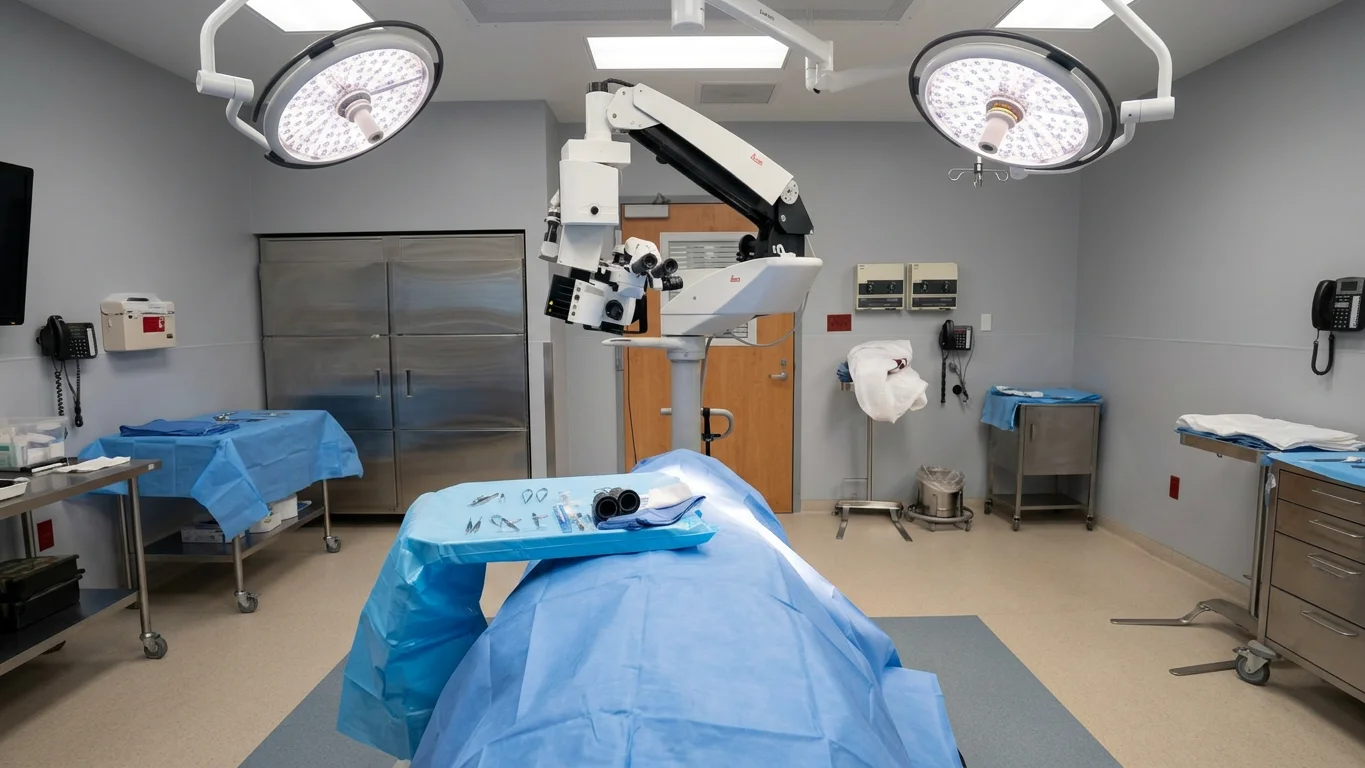
Cutting-edge cataract surgery technology puts patient safety first. Computer-controlled femtosecond lasers replace manual incisions, delivering results within microns of the surgeon’s plan. High-resolution monitoring ensures crucial structures, like the corneal endothelium, remain protected, sharply reducing risks of complications such as endothelial cell loss or surgical trauma. Real-time data and smart guidance bolster every step, making intricate eye procedures accessible and safe, even for at-risk populations.
Through checklists, sterile protocols, and 24/7 digital tracking, advanced technology fosters seamless teamwork within surgical suites. This not only minimizes typical risks associated with cataract extraction, such as infection or incomplete lens placement, but provides confidence for both patients and providers. As technology advances, the margin for complications decreases and satisfaction with the results increases—solidifying safety as a defining trait of modern cataract surgery.
Comparing All Eye Procedures: Where Cataract Surgery Technology Stands Out
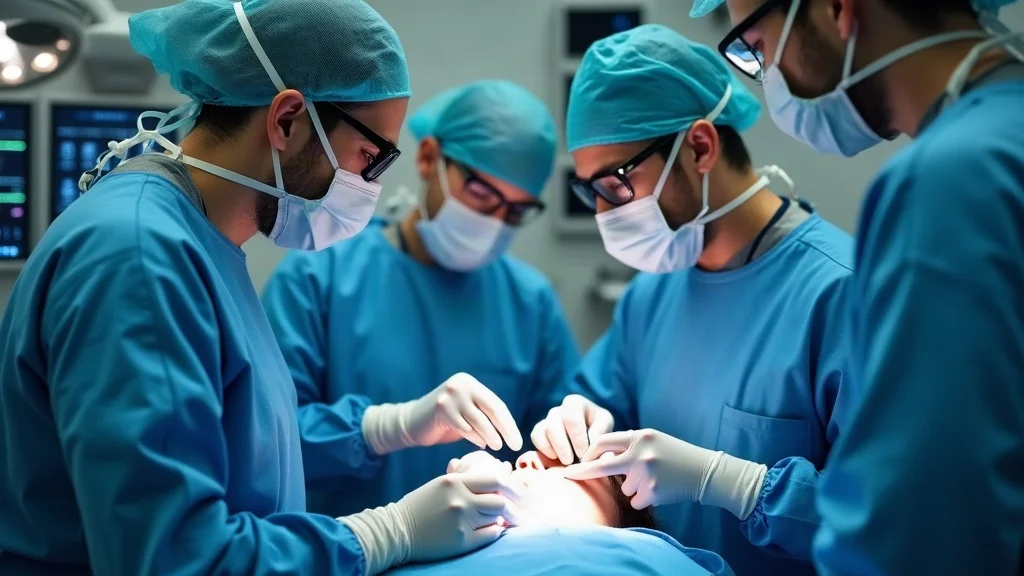
With so many eye procedures available, it’s helpful to see what makes modern cataract surgery unique. Techniques used in cataract extraction—especially those involving femtosecond lasers, advanced imaging, and premium IOLs—are unrivaled in customization, speed, and safety. While procedures like LASIK or corneal transplants address different needs, only today’s cataract surgeries offer the full spectrum of tailored visual rehabilitation, quick recovery, and minimized cell damage.
Innovative platforms are also being adapted for other eye procedures, showing how high standards in cataract surgery technology elevate outcomes across ophthalmology. Patients benefit from rapid vision recovery, lower risk of posterior capsule opacification, and durable results—attributes that set this procedure apart and provide a roadmap for innovation in other areas.
| Eye Procedure | Key Technology Features | Patient Outcomes |
|---|---|---|
| Traditional Cataract Surgery | Manual technique, monofocal IOL | Basic restoration, longer recovery |
| Modern Cataract Surgery (FLACS) | Femtosecond laser, premium IOLs, digital planning | Rapid visual recovery, tailored correction |
| LASIK | Excimer laser reshaping cornea | Correction of refractive errors (not cataracts) |
| Corneal Transplants | Donor tissue replacement, precision tools | Vision improvement for corneal disease |
| Glaucoma Surgery | Drainage devices, micro-stents | Management of eye pressure, not lens replacement |
Choosing an Eye Surgeon Skilled in Advanced Cataract Surgery Technology
- Credentials to look for
- Questions to ask about technology
- Importance of experience with eye procedures
A positive outcome from cataract surgery technology depends largely on your eye surgeon’s credentials and experience. Seek board-certified ophthalmologists with subspecialty training in cataract and refractive procedures, a record of using femtosecond lasers, and familiarity with the latest IOL innovations. Don’t hesitate to ask about their complication rates, technology platforms, and previous successes with patients like you.
Inquire about their preoperative assessments, their approach to minimizing risks such as endothelial cell loss and surgical trauma, and how they tailor solutions for individual needs. An experienced surgeon will explain every aspect of your eye procedure, guiding you through lens options and recovery steps, and ensuring the technology is matched perfectly to your goals for restored vision.

Frequently Asked Questions About Cataract Surgery Technology
What is the newest technology in cataract surgery?
- Learn about the femtosecond laser and SMART intraocular lens technology.
The latest advances center around femtosecond lasers for ultra-precise incisions and SMART intraocular lenses that can actively adapt or be adjusted post-operatively. These breakthroughs allow for safer surgery, improved accuracy, less endothelial cell loss, and even better tailoring to your visual needs after your eye procedure.
What is the biggest complaint after cataract surgery?
- Explore common concerns, including visual disturbances and post-op recovery expectations.
The most common issues reported after cataract surgery are mild visual disturbances such as glare, halos, or slight fluctuations in clarity during the early stages of vision recovery. These are typically temporary and often resolve as the eye heals and adjusts to the new lens. Most patients are pleasantly surprised at how quickly their sight improves but should communicate any concerns with their surgical team during follow-up visits.
What holds the new lens in after cataract surgery?
- Understand the technique for securing intraocular lenses and why they remain stable.
After cataract extraction, the new intraocular lens is placed within the eye’s natural capsular bag, which securely holds it in place. The design of modern IOLs, often with haptics or flexible arms, ensures stability and alignment throughout the healing process, minimizing risk of displacement or adverse events as part of your eye procedure.
What is the new cataract treatment for 2026?
- Insights into what’s on the horizon for cataract surgery technology and future advancements.
By 2026, the field anticipates robotic-assisted cataract extraction, smart-lens technologies capable of real-time optical adjustment, and even less-invasive eye procedures using advanced lanosterol derivatives to delay or reverse lens clouding. These next-generation techniques will further reduce risks, shorten recovery, and provide even more options for personalized, lifelong vision care.

Essential Factors for a Successful Eye Procedure Using Advanced Cataract Surgery Technology
"The latest in cataract surgery technology allows us to restore sight with greater confidence and efficiency than ever before."
The success of any eye procedure using cataract surgery technology relies on personalized planning, precise execution, and proactive follow-up care. Choosing a surgeon skilled in premium IOLs and advanced monitoring, and understanding your own health history are critical for optimal results and rapid vision recovery.
Adherence to post-operative instructions, such as using prescribed eye drops and attending scheduled check-ups, will also help prevent rare complications and maximize your satisfaction. As a patient, being informed and proactive at every stage ensures the technology works to your advantage throughout your cataract surgery journey.
Key Takeaways: How Cataract Surgery Technology Enhances Patient Outcomes
- Cataract surgery technology continues to drive better vision and safer surgeries.
- Patients benefit from faster recovery, improved precision, and customized vision solutions.
Revolutionary advances in cataract surgery technology are making eye procedures safer, more predictable, and tailored than ever before. With the right approach, you’ll find impressive results waiting just on the other side of surgery.
FAQs: Cataract Surgery Technology and Eye Procedures
- Are there risks with advanced cataract surgery technology?
- How soon can I resume daily activities?
- Is every patient a candidate for femtosecond laser?
Like all medical procedures, risks exist, but current cataract surgery technology significantly reduces complications compared to older methods. Most patients return to light activities within a few days, and suitability for femtosecond laser is determined by your ophthalmologist during initial assessments based on your unique eye anatomy and health profile.
Ready to Experience the Benefits of Revolutionary Cataract Surgery Technology?
- Schedule your consultation today to learn if you’re a candidate for advanced cataract surgery technology.
Take the next step toward clearer, brighter vision. Meet with a trusted surgeon to discover how the newest cataract surgery technology can restore both your sight and your confidence starting today.


Write A Comment