
Imagine waking up to a world where colors are vivid, street signs are crisp—even that favorite book or crossword puzzle is suddenly easy to see, all without the constant hunt for glasses or contact lenses. Today’s personalized cataract surgery options are designed to help you reclaim that clarity. If cataracts are clouding your daily activities, new advances mean vision restoration is more tailored—and recovery faster—than ever before.
Experience Tailored Vision Restoration with Personalized Cataract Surgery Options
Personalized cataract surgery options offer patients more control, greater comfort, and remarkably clearer vision compared to traditional one-size-fits-all approaches. With the help of a skilled cataract surgeon and advanced technology, individual vision needs are carefully assessed—from prescription strengths to lifestyle priorities—before ever entering the surgery center. Whether prioritizing distance vision for driving, or near vision for reading and crafting, today’s custom lens choices allow patients to select the best solution for their eyes. The result? Less dependence on glasses or contacts and faster recovery times, so you can quickly return to the moments and routines you love.
Navigating your surgery options may feel overwhelming, but modern cataract centers are equipped to guide you every step of the way. By working closely with your surgical team, you’ll be empowered to understand and choose among monofocal, multifocal, toric, and extended depth-of-focus lens options designed for your specific vision needs. Personalized care doesn’t just improve surgical outcomes; it transforms the entire patient experience—making your journey to clearer vision smoother and more reassuring from start to finish.
What You'll Learn About Personalized Cataract Surgery Options
- The basics and importance of personalized cataract surgery options
- How custom lens choices enhance outcomes
- Differences between traditional and advanced cataract surgery techniques
- Factors influencing recovery speed and patient experience
- Answers to common questions about cataract surgery
Understanding Cataract Surgery: The Foundation for Personalized Options
Cataract surgery remains one of the safest and most effective vision-restoring procedures performed today, but what does it really involve? At its core, the surgery is the removal of the clouded natural lens of the eye and its replacement with a clear artificial lens. A cataract forms when the eye’s lens becomes cloudy, making it difficult to see clearly, causing glare, blurred images, or muted colors. Over time, cataracts can interfere with daily activities—driving, reading, playing with grandchildren, or even watching TV.
With traditional approaches, surgeons would simply swap out the clouded lens for a basic artificial one. Today, the field has evolved. Instead of a one-size-fits-all cataract lens, patients are offered tailored choices, each suited for unique vision needs and lifestyles, all under the expert care of your local surgery center. From the diagnostic phase to the selection of an optimal custom lens, every stage is about achieving the best possible outcome and a smooth, comfortable recovery.
How Personalized Cataract Surgery Options Are Revolutionizing Patient Care
What Are Personalized Cataract Surgery Options?
Unlike older methods that followed a cookie-cutter approach, modern personalized cataract surgery options are tailored to address individual vision profiles. This means that your cataract surgeon will assess your eye shape, previous vision corrections, astigmatism, and personal preferences before recommending the most appropriate custom lens and surgical technique. Rather than simply restoring sight, the procedure aims to enhance your quality of vision so you can enjoy both near and distance clarity, often with little to no need for additional glasses or contacts.
Personalization also extends to the procedure itself, such as choosing between traditional methods and advanced technologies like femtosecond laser assistance. These enhancements further minimize healing time and optimize results, giving every cataract patient a smoother surgical journey and a brighter outlook. Today’s state-of-the-art surgery centers prioritize patient education, so you can feel confident in every decision—from pre-surgical planning to your return home.
The Rise of Custom Lens Designs in Cataract Surgery
One of the most significant advancements is the availability of custom lens types, offering solutions for a spectrum of needs—from basic clarity to astigmatism correction and multifocal vision. Modern intraocular lenses are designed for better focus, improved night vision, and even extended ranges for both near and distance activities. For patients accustomed to using reading glasses or contact lenses, selecting a personalized lens can dramatically reduce, or even eliminate, the reliance on corrective eyewear following surgery.
Surgeons now use advanced diagnostics to help you decide whether a monofocal, multifocal, toric, or extended depth-of-focus lens option is best for your lifestyle. Each cataract lens comes with unique benefits and potential tradeoffs—making careful consultation and shared decision-making between patient and provider more important than ever. With these options, cataract surgery is shifting toward a more holistic, patient-centered process designed to maximize long-term satisfaction.

Comparing Personalized Cataract Surgery Options: Traditional vs. Laser-Assisted Techniques
When exploring the best cataract surgery options, it’s important to understand the difference between conventional and advanced methods. Traditional cataract surgery relies on the expertise of the cataract surgeon who makes a tiny incision by hand. In contrast, laser-assisted cataract surgery uses a femtosecond laser for precision, automating steps like lens fragmentation and incisions to enhance uniformity and accuracy. This difference can impact not only the recovery time, but also the predictability and clarity of the vision outcome.
Laser technology in the surgical procedure allows for greater personalization, automatically adjusting to the curve of your cornea and the location of your natural lens. For patients with significant astigmatism or unique eye shapes, this added precision means fewer complications and faster healing. Both techniques require the selection of a suitable custom lens, but advanced methods open the door for the full range of new intraocular lenses, especially for those prioritizing reduced dependence on glasses or contacts after surgery.
| Technique | How the Lens is Removed | Eligible Custom Lens Types | Benefits |
|---|---|---|---|
| Traditional Cataract Surgery | Surgeon manually removes the natural lens with tiny instruments | Monofocal lens, standard toric lens | Proven method, excellent results, affordable |
| Laser-Assisted Cataract Surgery | Femtosecond laser precisely fragments and removes the natural lens | Monofocal, multifocal, toric, extended depth-of-focus lens | Enhanced accuracy, faster recovery, more lens choices, less trauma to the eye |
Selecting the Right Custom Lens for Your Cataract Surgery
Choosing the right custom lens is the most critical part of surgery planning. Every patient’s eyes are unique—some may want to prioritize distance vision for driving and travel, while others may prefer reading and close-up activities without glasses. The careful selection of your cataract lens directly influences your quality of vision and overall satisfaction after surgery. Modern surgery center teams will explain the pros and cons of each option, helping you select the best match for your needs and lifestyle.
Lens designs now go beyond just monofocal lenses that were once standard. By understanding each available lens option, you and your cataract surgeon can select a tailored solution that supports your goals—like minimizing dependence on glasses or targeting near and distance vision. The right lens, combined with a personalized surgical approach, leads to not only a quicker recovery but also a more rewarding visual outcome.
Key Cataract Lens Options Explained
- Monofocal lenses: Best for patients wanting the sharpest vision at a single distance, generally for driving or seeing far away.
- Multifocal lenses: Allow for both near and far focus, reducing reliance on reading glasses for most daily activities.
- Toric lenses for astigmatism: Correct astigmatism for clearer vision without extra procedures or corrective eyewear.
- Extended depth-of-focus lenses: Provide a broader range of clear focus zones, often for those who wish to seamlessly move between tasks at different distances.
Each lens option has its unique strengths, and not all are available for every cataract patient. Some advanced lenses may not be covered by insurance, so discuss options—and costs—clearly with your care team to ensure your choice meets both your vision goals and budget.

Your Journey: What to Expect During Personalized Cataract Surgery
Knowing what to expect along the way makes the process of personalized cataract surgery less intimidating. Each stage is centered around your comfort, education, and specific vision requirements. From your initial visit to the final follow-up, your surgery center team is dedicated to making sure you’re informed and ready for each step.
Most procedures last less than an hour, with minimal discomfort. Because recovery is quick, many patients return home the very same day. A detailed plan for pre- and post-surgery care supports a rapid return to the activities you enjoy, all while safeguarding that clearer vision for years to come.
Step-by-Step Overview of the Cataract Surgery Experience
- Initial evaluation at a surgery center: Comprehensive eye exams and mapping help doctors determine the extent of the cataract and discuss custom lens options.
- Pre-surgical counseling and custom lens selection: The care team answers questions, discusses your vision goals, and helps you select the best cataract lens option for your lifestyle.
- Day of surgery: Lens is removed and new lens placed: The clouded natural lens is removed using the chosen technique (manual or laser-assisted), and the artificial intraocular lens is precisely inserted.
- Recovery, follow-up, and monitoring: You’re given instructions for at-home care, scheduled for quick follow-ups, and monitored for optimum healing and satisfaction.
Quotes from Cataract Surgery Experts
"Personalized cataract surgery options allow us to help patients achieve the best possible vision for their unique eyes and lifestyles."
— Leading Cataract Surgeon
Factors That Influence Recovery After Personalized Cataract Surgery Options
While most patients enjoy a smooth and swift recovery, several factors can influence healing time and outcomes after your procedure. The exact type of surgery and custom lens chosen play a significant role, as some advanced options are designed to speed up recovery and optimize early vision clarity. Your overall health, how well you follow post-surgery care protocols, and the expertise available at your surgery center each shape your unique experience.
It’s important to adhere to your surgeon’s advice and attend all follow-up appointments. Even small details—like avoiding eye rubbing or strenuous activity in the first week—can have a big impact on healing. By collaborating closely with your post-op care team, you can help ensure the fastest, safest, and most comfortable pathway to clearer vision.
- Type of surgery and custom lens chosen
- Patient health and healing response
- Post-surgery care protocols
- Options available at your chosen surgery center
People Also Ask: Personalized Cataract Surgery Options
What is the newest method of cataract surgery?
The latest advance in cataract surgery is laser-assisted cataract surgery, which uses a femtosecond laser for portions of the procedure that were previously done by hand. This innovation allows for more precise incisions and lens fragmentation, personalized to your unique eye. The new approach often delivers faster healing, optimized placement of your custom lens, and can address vision conditions like astigmatism simultaneously.
What is the most preferred cataract surgery?
The most preferred technique depends on the patient's vision goals, eye anatomy, and preferences. Both traditional and laser-assisted cataract surgery are effective, but an increasing number of surgeons and patients prefer laser-assisted methods for their accuracy and gentler impact on the eye. Most important is working with your cataract surgeon to select the approach and lens option that meets your visual and lifestyle needs.
Is laser-assisted cataract surgery a better option than traditional cataract surgery?
Laser-assisted cataract surgery can be a better option for certain patients, especially those desiring advanced custom lens placement or needing precise correction for issues like astigmatism. The laser aids the surgeon in creating cleaner, more exact incisions and softens the natural lens for easier removal. While both traditional and laser techniques are highly safe, the added precision of the laser may offer extra benefits for some.
Is it worth paying extra for laser cataract surgery?
Whether laser cataract surgery is worth the added cost depends on your vision goals and what’s most important to you. The additional fee is often for advanced technology not typically covered by insurance. If you desire more custom lens options, wish to reduce dependence on glasses, or want a higher level of precision, laser-assisted surgery may be a valuable investment in your long-term quality of vision.
Video Guide: An Inside Look at Personalized Cataract Surgery Options
View a step-by-step overview of personalized cataract surgery options—including lens selection, patient preparation, and before-and-after results, all presented by a top cataract specialist.
FAQs About Personalized Cataract Surgery Options
-
Are personalized cataract surgery options covered by insurance?
Insurance typically covers basic cataract surgery and monofocal lenses. Advanced custom lens options (such as multifocal, toric, or extended depth-of-focus lenses) and laser-assisted techniques may require an out-of-pocket investment, so consult your provider for details. -
How do I qualify for a custom lens?
Most patients are eligible for a custom lens, but suitability depends on your eye health, shape, and visual goals. Your cataract surgeon will evaluate your eyes and help you decide which options fit your needs. -
How long does recovery take?
Recovery usually takes just a few days to a week for most cataract patients, though mild vision changes can persist as your eye adjusts. Advancements in surgical technique and lens design support a quicker, smoother healing process than ever before. -
What should I ask my cataract surgeon?
Ask about your lens options, the surgical procedure recommended, expected recovery timeline, potential risks, what’s included in cost, and how to achieve your best possible quality of vision.
Key Takeaways on Choosing Personalized Cataract Surgery Options
- Personalized cataract surgery options enhance outcomes and patient satisfaction
- Custom lens selection is central to vision results
- Laser-assisted techniques offer advanced precision
- Surgery center expertise and surgeon experience are crucial
Begin Your Journey to Clearer Vision Today
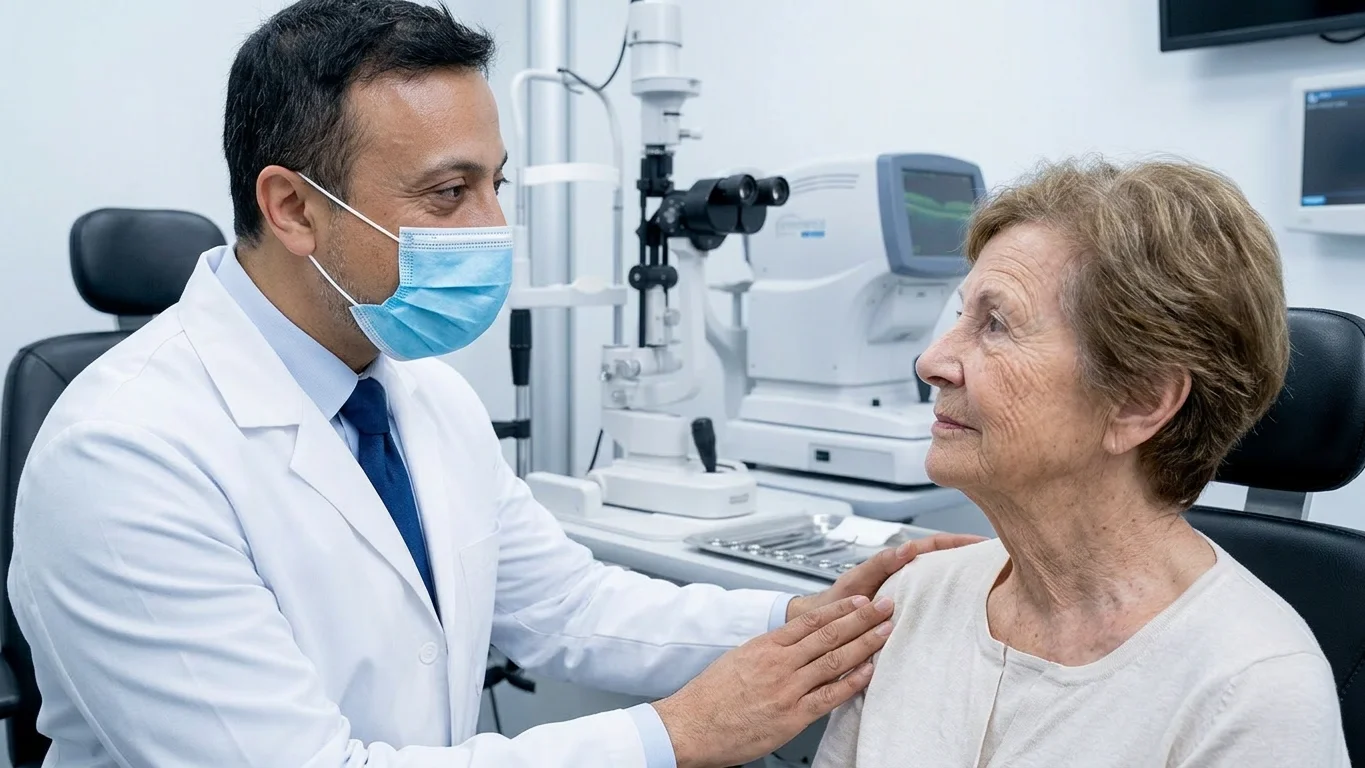
If you’re ready to explore how personalized cataract surgery options can help you achieve your clearest vision—faster and with more confidence than ever—schedule an appointment with a trusted cataract specialist at your local surgery center. Your brighter future starts with an informed choice and an expert team by your side!



Write A Comment