
Is cataract surgery technology truly the revolution patients have been yearning for, or is there more beneath the surface of this modern medical marvel? Imagine regaining clear eyesight almost overnight, thanks to a blend of precision lasers and artificial intelligence. Today's advancements have transformed cataract surgery from a daunting prospect into a streamlined, personalized journey—redefining how quickly and safely your vision can be restored. In this article, we uncover why this technology means more than just better eyesight and what you need to know if you or a loved one faces cataracts.
Is Cataract Surgery Technology the Game-Changer Patients Have Been Waiting For?
Cataract surgery technology stands at the intersection of science and hope—a place where cutting-edge innovation meets the universal desire for better vision. For generations, people with cataracts faced lengthy recoveries, visual compromises, or even the fear of unsuccessful outcomes. Now, emerging tools like femtosecond lasers, advanced intraocular lenses (IOLs), and artificial intelligence-powered diagnostics ensure that cataract extraction is faster, more precise, and tailored to your eyesight needs.
Advancements such as FLACS (Femtosecond Laser-Assisted Cataract Surgery) and artificial intelligence are rewriting the standard of care. By minimizing surgical trauma and reducing the risk of postoperative complications, these technologies offer a quicker vision recovery and improved long-term outcomes. Coupled with personalized IOL options—ranging from multifocal IOLs to lenses correcting astigmatism—patients now enjoy clearer vision and greater independence than ever before. It's fair to say that for many, cataract surgery is no longer just a procedure; it's a gateway to a brighter, more vibrant life.
A New Era: The Revolution of Cataract Surgery Technology
The world of cataract surgery technology has entered a new era—one defined by precision, safety, and enhanced patient experiences. The pivotal shift from manual blades to laser-guided instrumentation drastically changed surgical standards. Today, femtosecond lasers can perform ultra-precise incisions and fragment cloudy lens tissue with minimal impact on surrounding eye structures, reducing the risk of endothelial cell loss and lowering the likelihood of postoperative inflammatory responses.
Artificial intelligence now augments each step. From detecting subtle lentic protein aggregation to optimizing lens alignment for sharpest vision, AI-powered diagnostics and deep learning algorithms predict challenges before they arise. These technologies streamline procedure planning and reduce the need for surgical revisions, providing better visual acuity outcomes for nearly all patient profiles—including those with complex eye disease histories. As a result, patients of all ages and backgrounds find cataract surgery less daunting and more effective than ever before.
What You'll Learn About Cataract Surgery Technology Advances
- The latest cataract surgery technology breakthroughs
- How femtosecond laser and artificial intelligence are used in procedures
- Patient experiences and outcomes with new intraocular lens options
- Frequently asked questions and professional insights
Understanding Cataract Surgery: More Than Meets the Eye
Cataract surgery is far more than just removing a cloudy lens; it's a highly sophisticated process that restores vision and transforms lives. When cataracts form—usually due to aging or lentic protein aggregation—the lens becomes opaque, dramatically reducing visual acuity. Using advanced cataract surgery technology, ophthalmic surgeons can now replace this impaired lens with a state-of-the-art intraocular lens (IOL) through a minimally invasive extracapsular cataract extraction, typically resulting in a rapid vision recovery and less surgical trauma than ever before.
While traditional approaches such as manual phacoemulsification and extracapsular cataract extraction once carried notable risks—like endothelial cell loss and postoperative complications—modern innovations are rewriting those odds. Premium IOLs, multifocal IOLs, and toric lenses can correct for nearsightedness, farsightedness, and even astigmatism. AI-driven imaging and deep learning-based eye mapping ensure that every patient receives truly personalized care. In developing countries, these breakthroughs also promise scalable solutions for the ever-growing prevalence of cataract and preventable blindness.
What Is Cataract Surgery and Why Is Technology So Important?
Cataract surgery is a life-changing eye operation in which the eye’s cloudy natural lens, compromised by nuclear cataract, is carefully removed and replaced with a clear artificial lens—or intraocular lens (IOL). Recent innovations, including femtosecond laser and artificial intelligence, ensure that cataract extraction is both safer and more effective. Technology-driven procedures minimize incision size, reduce cell loss, and drastically improve surgical accuracy. This means lower risk of postoperative complications such as posterior capsule opacification or dry eye, and a faster, more comfortable vision recovery for every patient.
"Cataract surgery technology isn't just about seeing better—it’s about redefining how quickly and safely sight can be restored. "
How Cataract Surgery Technology Has Evolved: An Expert Opinion
Reflecting on the evolution of cataract surgery, it’s undeniable that the landscape has transformed from painstaking procedures with limited predictability to a blend of mechanical expertise and digital precision. The introduction of femtosecond laser technology revolutionized incision cataract techniques, offering unprecedented gentleness and surgical control. Such advances have significantly reduced the risk of endothelial cell loss and mitigated surgical trauma—especially compared to older methods such as intracapsular cataract extraction and manual phacofragmentation.
Moreover, artificial intelligence has extended well beyond diagnostics. Today, AI-enhanced imaging provides real-time insights during surgery, helping surgeons anticipate complications such as posterior capsule tear or capsule opacification. AI tools, leveraging deep learning, can even alert teams to subtle cues of developing eye disease, elevating safety standards in operating rooms around the world. These scientific leaps underscore why embracing current cataract surgery technology is critical, not just for providing better results, but also for reshaping patient expectations and outcomes.
From Manual Blades to Femtosecond Laser: A Sea Change in Cataract Surgery
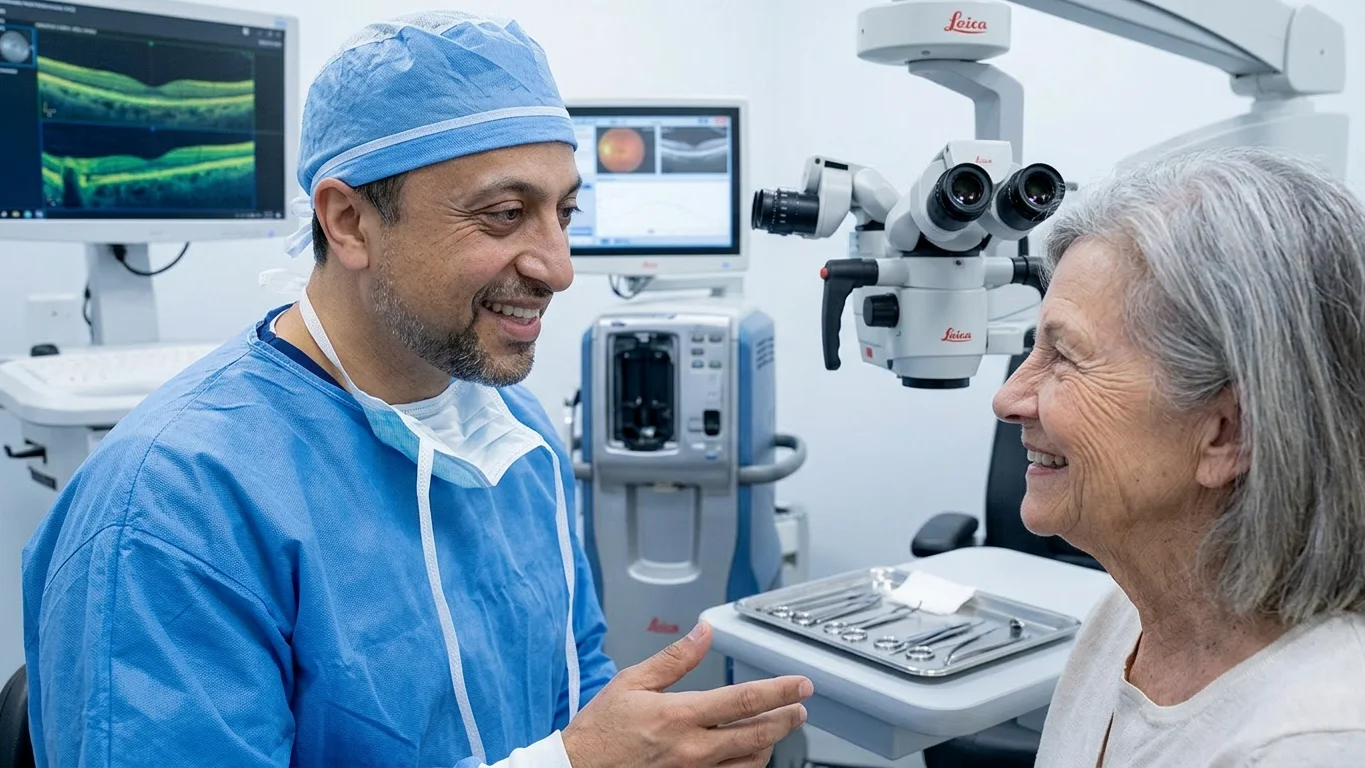
Yesterday’s cataract surgeries relied on steady hands and manual blades to remove the clouded lens—methods often associated with longer recovery and a higher chance of surgical trauma or complications. The modern shift to femtosecond laser technology, known as FLACS, allows for bladeless, computer-guided precision in every step of cataract extraction. This technology significantly reduces mechanical stress on the eye, minimizes endothelial cell loss, and lowers rates of postoperative inflammation. For patients, this means a safer journey to vision recovery and fewer long-term issues such as capsule opacification or persistent dry eye.
FLACS may also enhance the success of multifocal IOLs implantation, as its precise incisions enable more accurate positioning of premium IOLs. Patients experience not only quicker visual recovery but also higher overall satisfaction with their new vision. This evolution highlights how the combination of surgical expertise and the right technology can provide better, more predictable results for millions—especially as the prevalence of cataract increases worldwide.
The Role of Artificial Intelligence in Cataract Surgery Technology
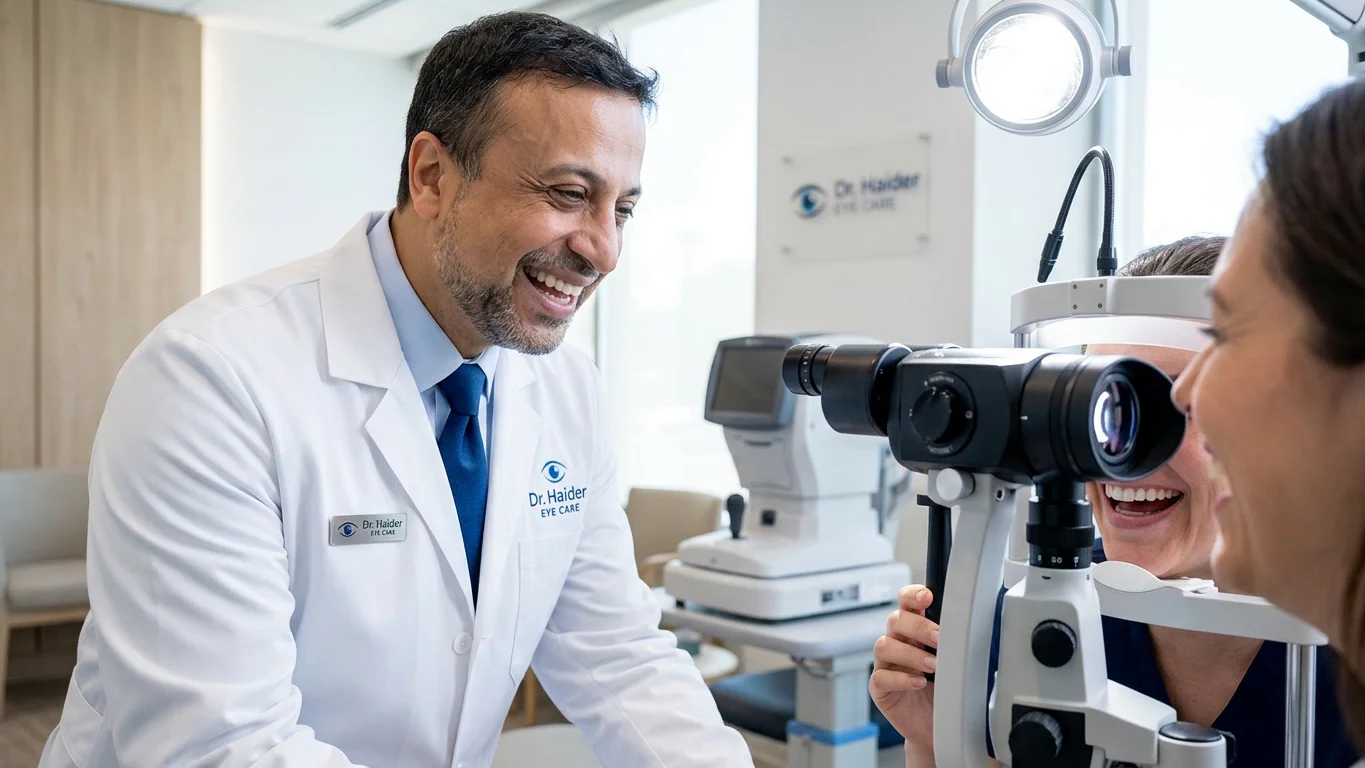
Artificial intelligence (AI) has become a pivotal player in the modern cataract surgery landscape. AI algorithms, powered by deep learning, now analyze thousands of patient eyes to spot subtle disease markers, predict surgical outcomes, and personalize intraocular lens selection. This gives surgeons a deeper, more data-driven understanding of each eye's unique anatomy, which reduces the risk of complications and improves visual acuity.
Through AI-powered eye scans, surgeons can anticipate and proactively address challenges such as posterior capsule opacification or cell loss. AI’s real-time suggestions support decision-making during all phases of a procedure—from preoperative planning to intraoperative adjustments during FLACS and PC surgery. As this technology develops, it’s likely to further decrease postoperative complications and elevate the overall success of cataract surgeries, especially in patients with pre-existing eye disease or risk factors. Ultimately, AI places both surgeon and patient at the center of a smarter, safer vision-restoring experience.
Intraocular Lens Innovations: Sharper, Faster, More Personalized
The evolution of intraocular lens (IOL) technology is transforming how patients see the world after cataract extraction. Gone are the days of a ‘one-size-fits-all’ artificial lens. Today’s premium IOLs offer individually tailored vision correction, with options including multifocal IOLs, toric IOLs for astigmatism, and even accommodating lenses that adjust focus naturally. These lenses are designed to optimize visual acuity at multiple distances, minimizing the need for corrective glasses after surgery.
This personalization is possible thanks to high-res measurements, digital mapping, and AI-planned lens selection. IOLs now boast advanced materials to reduce lentic protein adherence and postoperative inflammatory responses, and their precise design lowers rates of capsule opacification. As a result, patients report a rapid return to daily activities and high satisfaction with their vision quality—especially where multifocal IOLs implantation is combined with minimally invasive, femtosecond laser-assisted techniques.
| Aspect | Traditional Surgery | Advanced Technology |
|---|---|---|
| Surgical Method | Manual blade incisions | Femtosecond laser-assisted incisions (FLACS) |
| Lens Options | Monofocal IOLs | Multifocal, toric, and premium IOLs |
| Postoperative Recovery | Longer, more variable | Faster, with less discomfort |
| Complication Rate | Higher risk of cell loss, capsule complications | Lower thanks to AI-guided precision |
| Patient Experience | Standardized | Personalized and optimized |
Patient Experience: What It's Like Undergoing Modern Cataract Surgery Technology
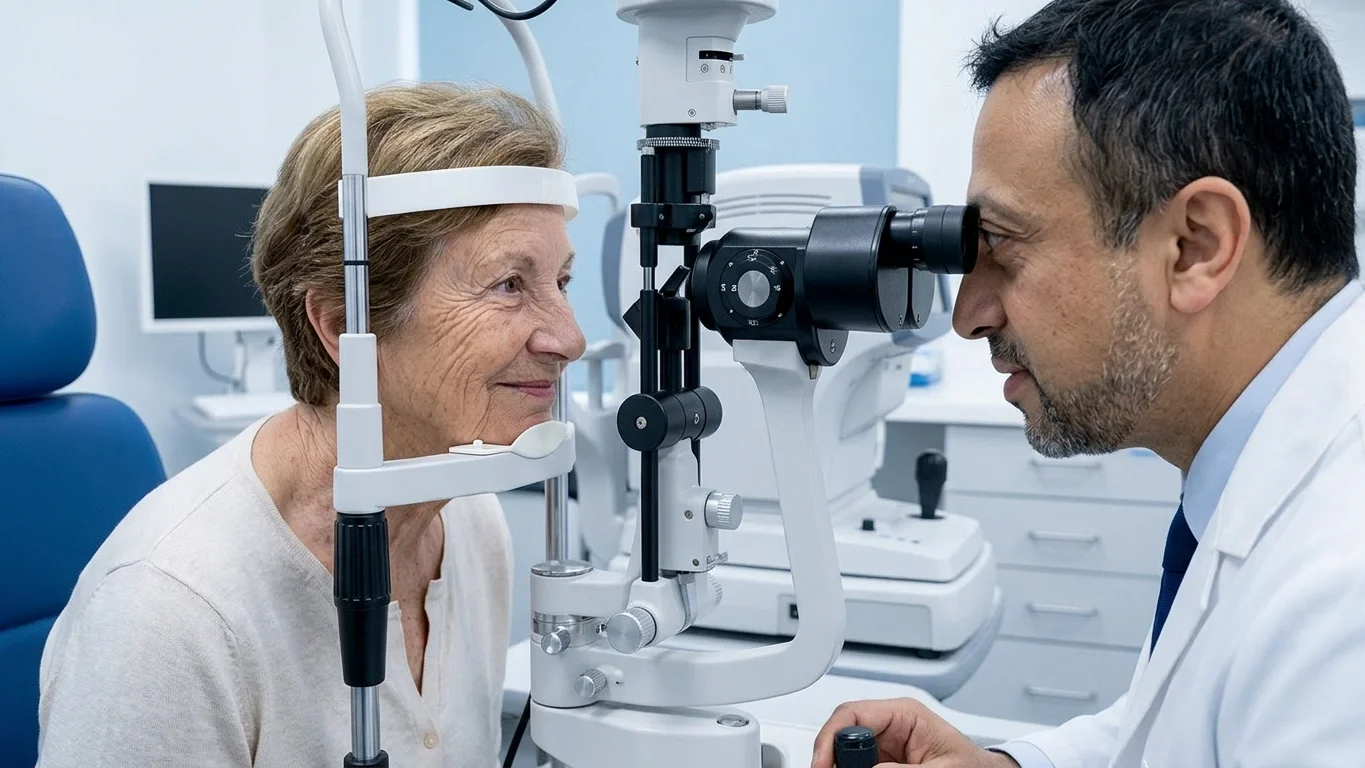
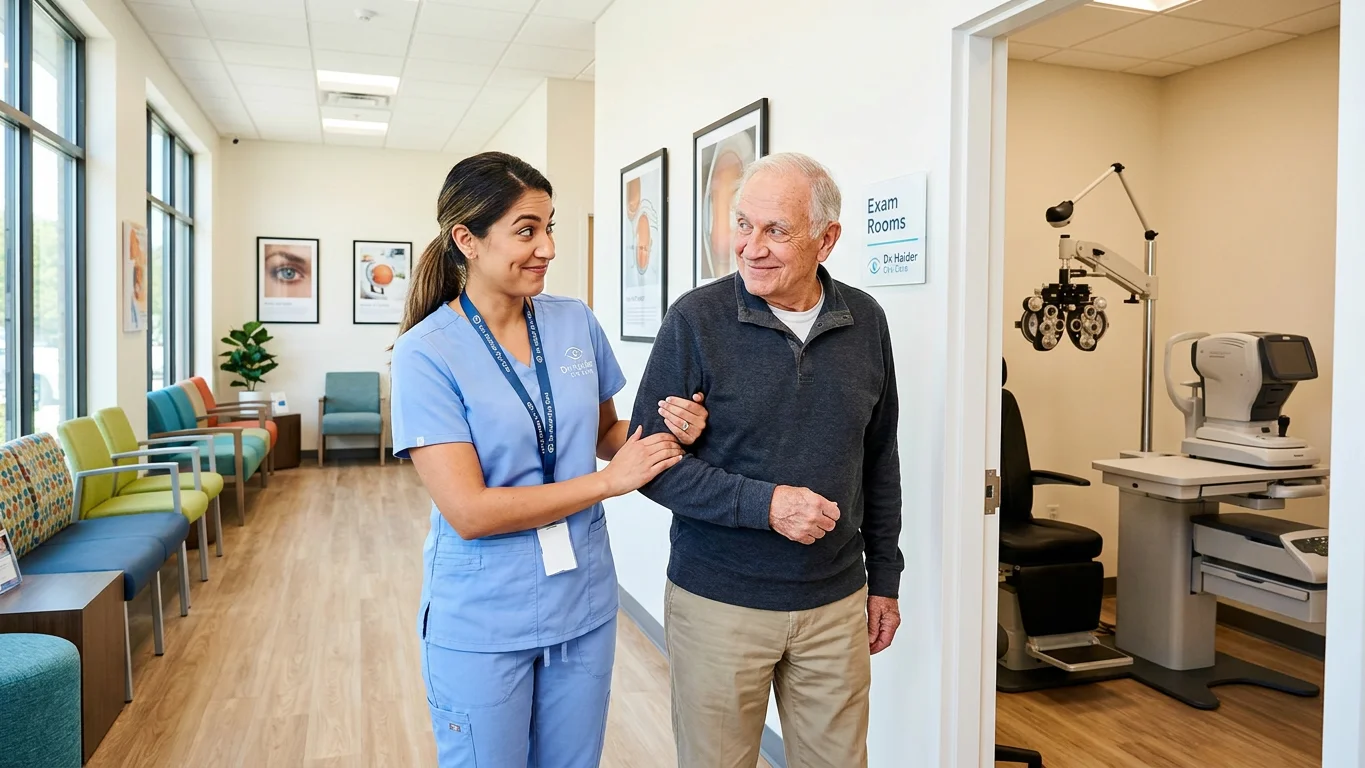
Advanced cataract surgery technology is not just about high-tech tools—it’s about creating a seamless and reassuring patient journey. From the first consultation to vision recovery, each step is designed for safety, clarity, and comfort. In Louisville and beyond, clinics now offer AI-powered diagnostics that help patients and surgeons understand the precise cause of cloudy vision—whether it’s nuclear cataract, posterior capsule opacification, or other factors. This patient-focused approach means better education, treatment choices, and ultimately, results.
Patients benefit from improved preoperative eye mapping, faster procedures, and targeted lens selection—often with premium or multifocal IOLs tailored to lifestyle needs. Because advances minimize surgical trauma and dry eye risk, recovery is shorter, and everyday independence is restored more rapidly. The shift in patient satisfaction is palpable: clearer sight with less downtime, fewer complications, and greater freedom from glasses or contacts.
Pre-Operative Consultations: Patient Questions and High-Tech Diagnostics
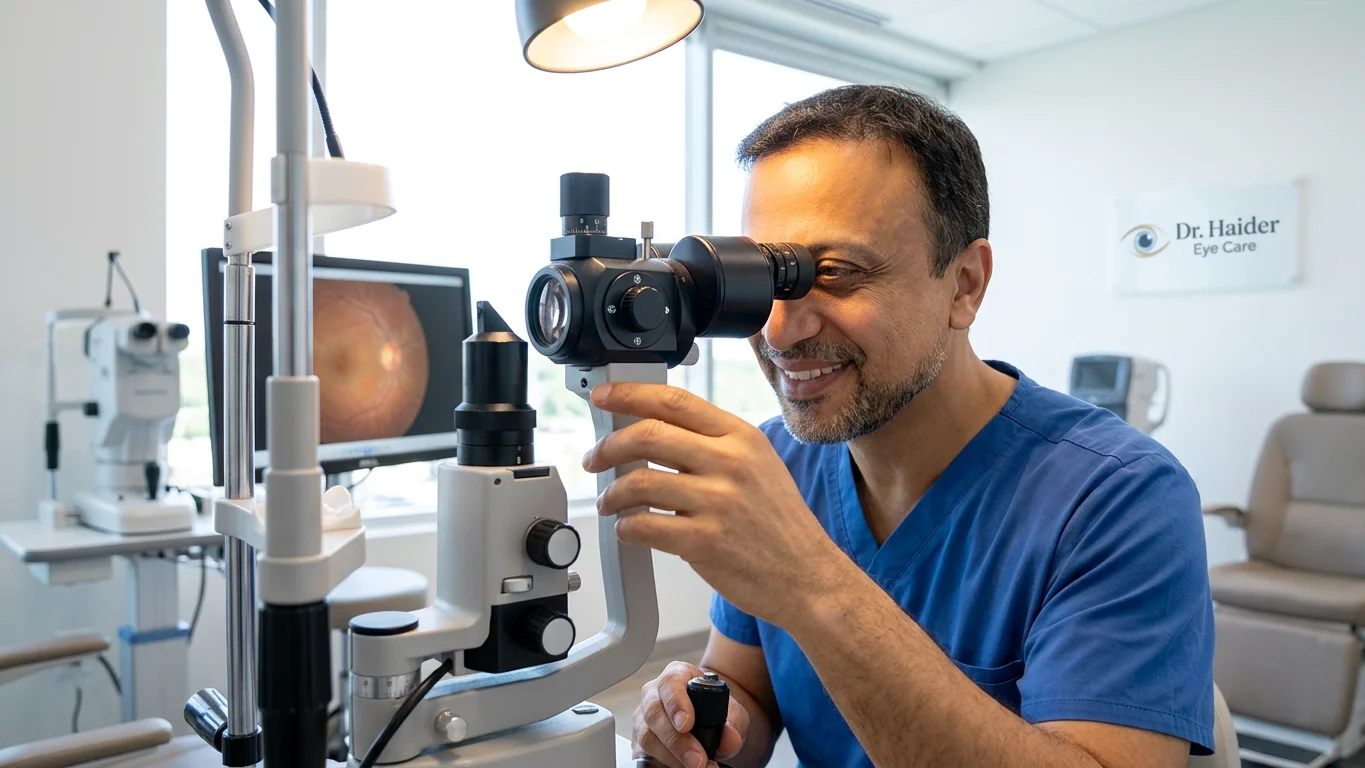
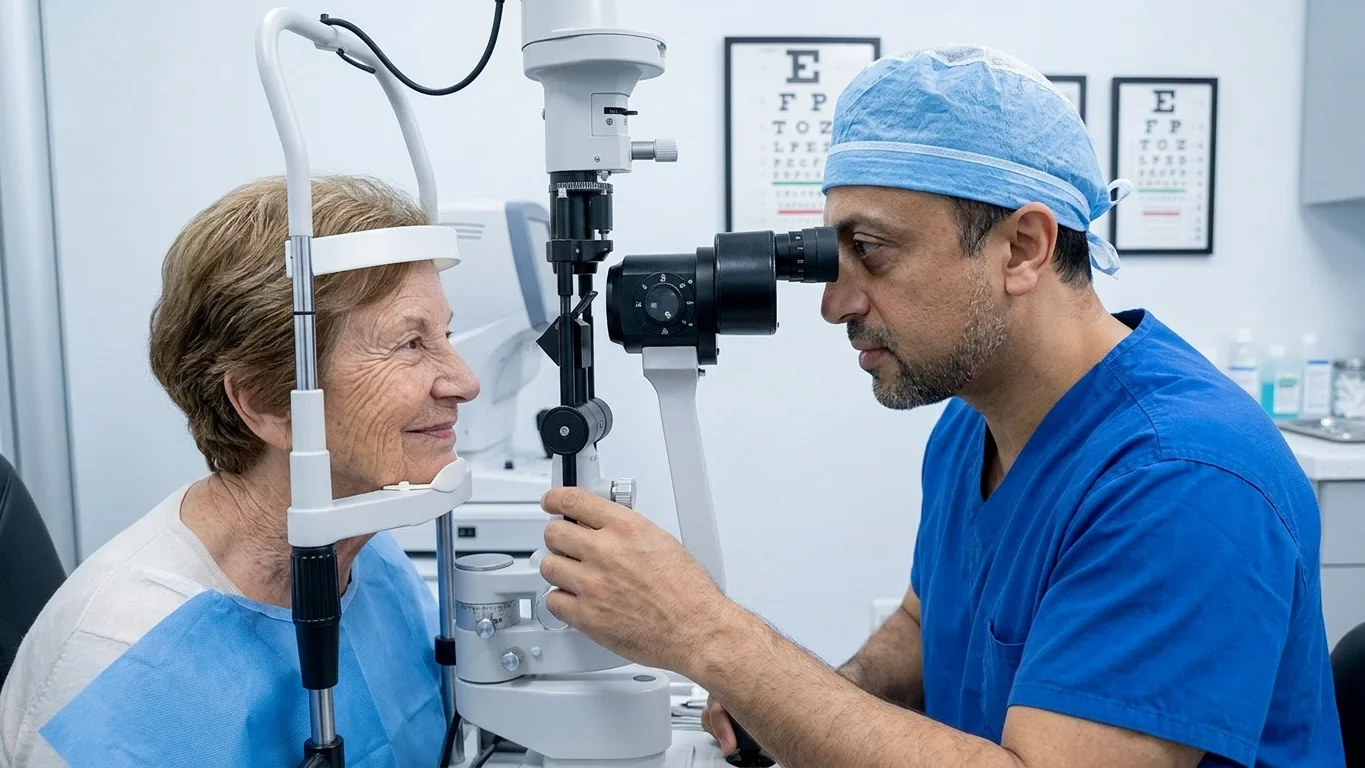
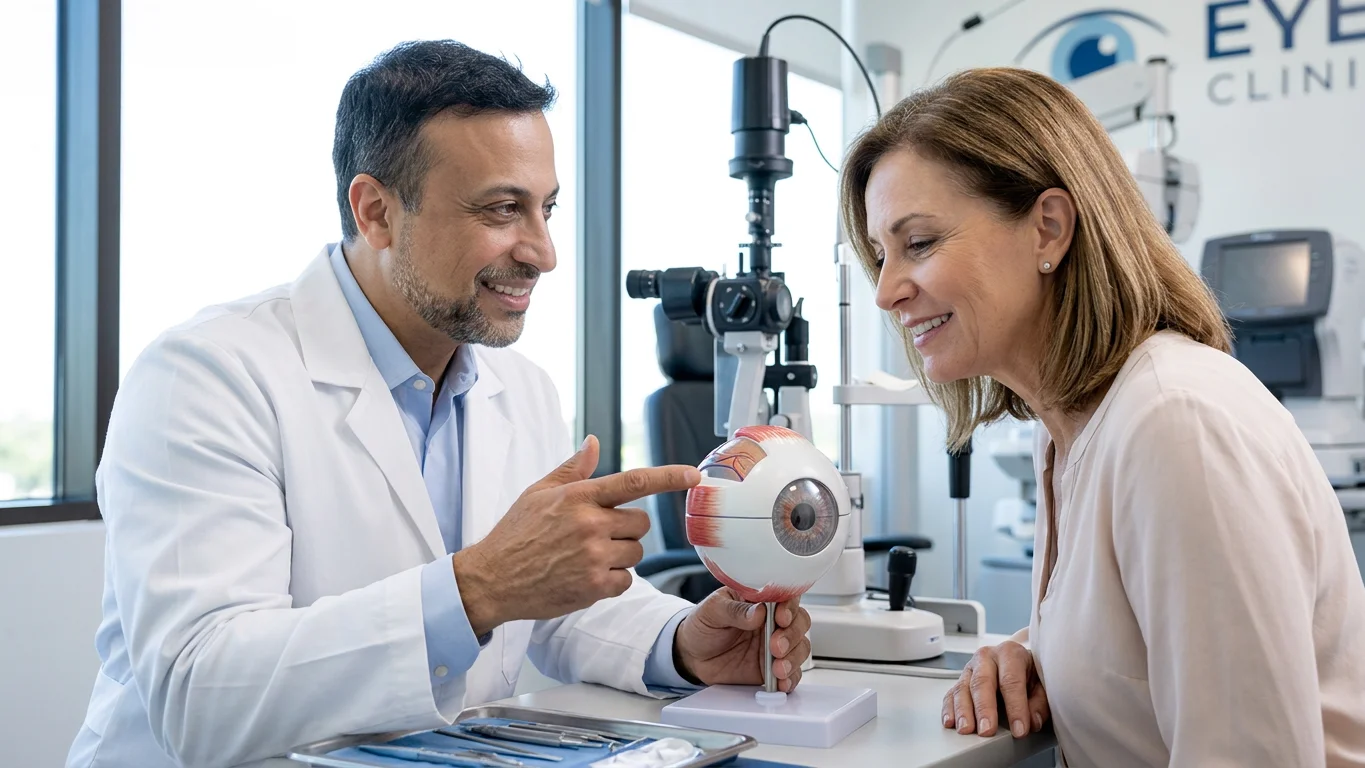
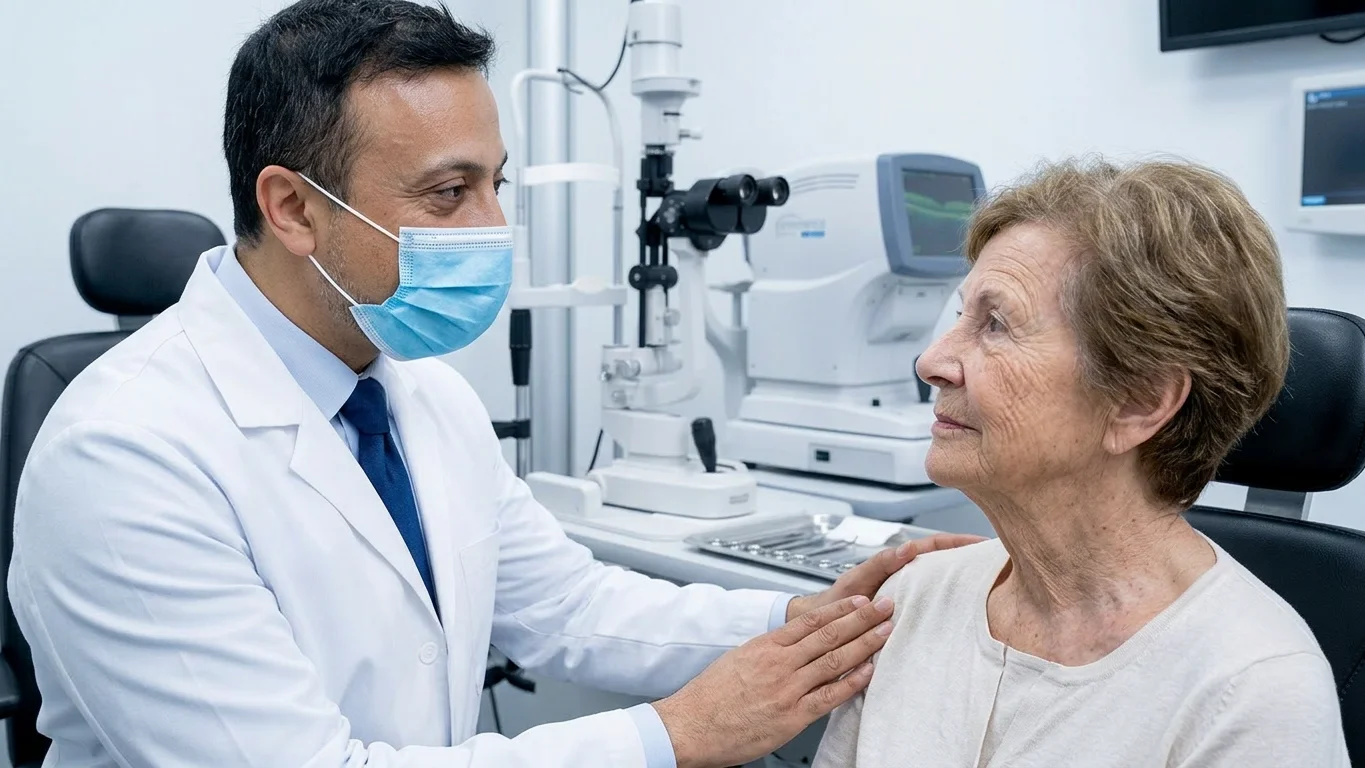
During an initial pre-operative visit, patients often want clarity on every aspect of cataract surgery technology. Today, ophthalmologists use advanced imaging—like optical coherence tomography and AI-driven scanning—to assess the eye's health and design a customized plan. High-resolution digital tools precisely map the cornea, charting any posterior capsule irregularities or endothelial cell concerns. These conversations now center around lens options, including multifocal IOLs, premium IOLs, and expectations for postoperative visual acuity.
Patients receive easy-to-understand, visually rich explanations about their unique eye condition and how technology can transform their outcome. Questions about risks like surgical trauma, dry eye, or posterior capsule opacification are addressed using real data from similar procedures. This approach not only builds trust but sets the stage for informed decision-making, empowering the patient every step of the way.
The Procedure: Minimally Invasive Techniques and Rapid Recovery
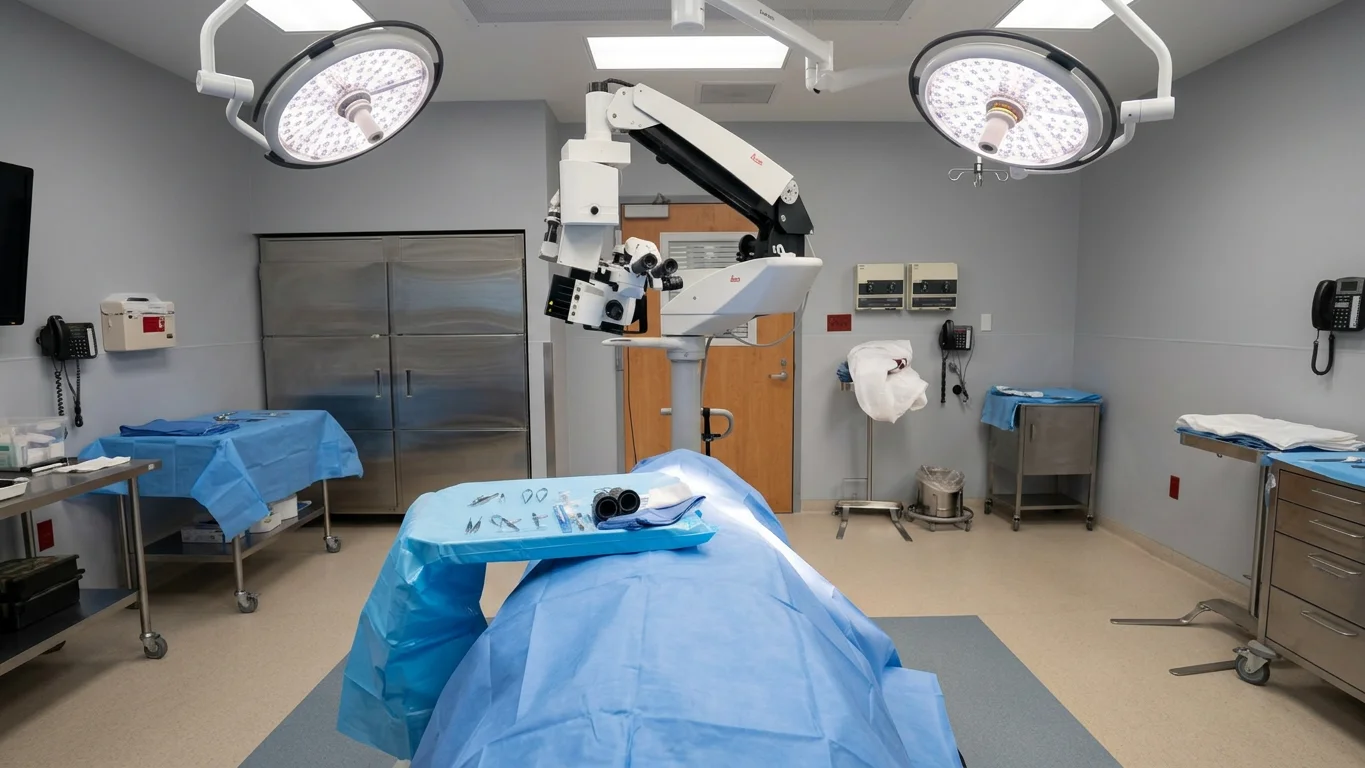
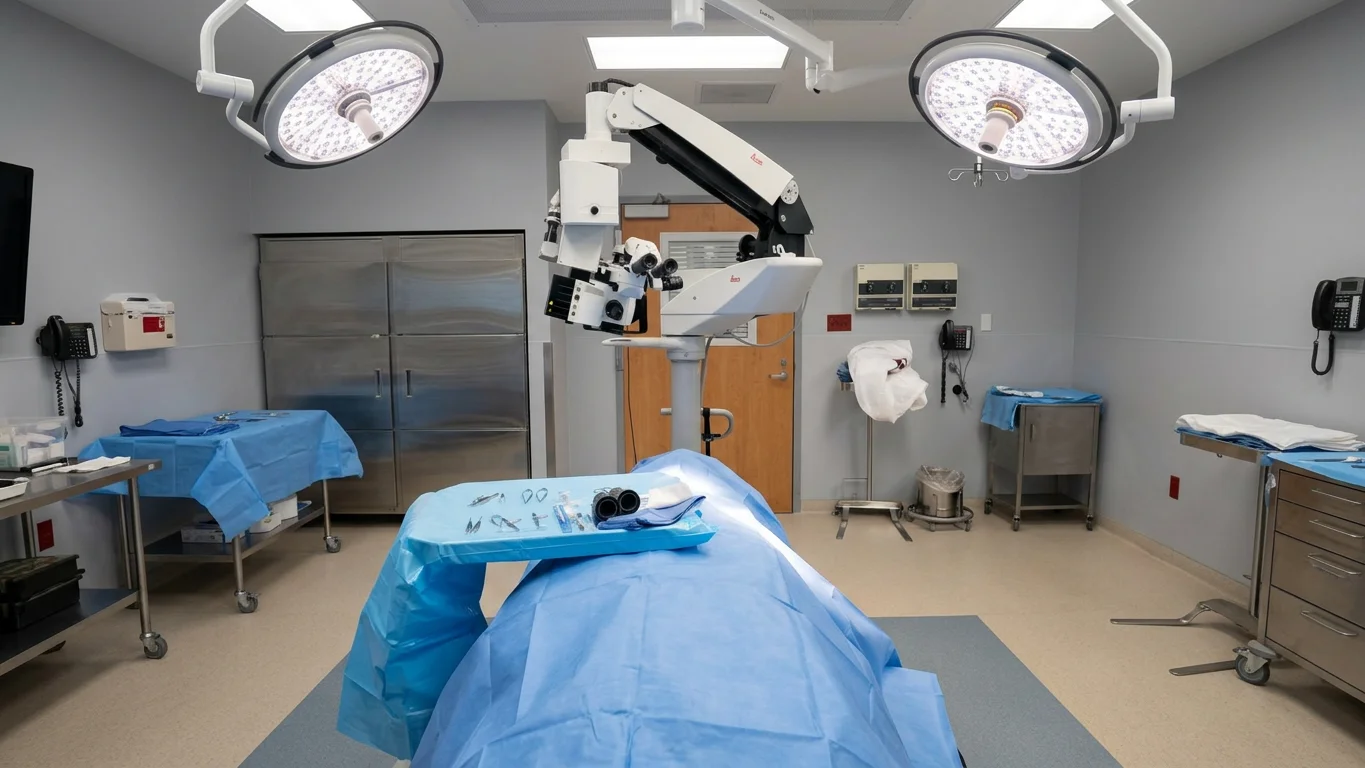
The day of surgery highlights why modern cataract surgery technology is so transformative. Thanks to femtosecond laser-guided incisions and AI-enhanced monitoring, the actual procedure is quick, gentle, and highly precise. Most patients experience little discomfort, a dramatic contrast with the days of extracapsular cataract extraction or intracapsular cataract extraction, where greater surgical trauma and longer recovery were the norm.
During the operation, the clouded lens is fragmented and removed with minimal manipulation of delicate structures, reducing endothelial cell loss. The new intraocular lens is then placed with the help of laser guidance and AI-calculated alignment, greatly improving the odds of optimal visual acuity. Most patients return home the same day, with vision often improving noticeably within hours or days—a testament to the remarkable progress in cataract surgery technology.
"Thanks to advancements in cataract surgery technology, getting my vision back was easier than I ever imagined." — Recent Patient
Frequently Asked Questions About Cataract Surgery Technology
What is the newest technology in cataract surgery?
The most recent breakthroughs in cataract surgery technology focus on femtosecond laser-assisted cataract surgery (FLACS) and artificial intelligence. FLACS enables bladeless, ultra-precise incisions and lens fragmentation, reducing surgical trauma and recovering vision more rapidly. AI-driven software helps surgeons plan and personalize procedures by analyzing eye images, predicting complications, and recommending the best intraocular lens types—be they multifocal IOLs or other premium options. Together, these advancements offer safer procedures, faster rehabilitation, and outstanding visual outcomes.
What is the biggest complaint after cataract surgery?
The most frequently reported complaint after cataract surgery is dry eye, which may cause temporary discomfort or blurred vision. However, with today’s minimally invasive techniques and improved intraocular lenses, the severity and duration of dry eye and other issues—such as posterior capsule opacification—are significantly reduced. Surgeons now employ AI-powered diagnostics to screen for risk factors preoperatively, further lowering the likelihood of persistent complaints and enhancing overall patient satisfaction and vision recovery.
What holds the new lens in after cataract surgery?
After cataract extraction, the artificial intraocular lens is usually placed securely within the eye’s natural lens capsule—the clear membrane that originally surrounded the clouded lens. This capsule naturally holds the IOL in position, supported by the eye's own anatomy. Advanced surgical techniques and femtosecond laser guidance further stabilize the lens, ensuring optimal placement and reducing the risk of lens shift, preventing complications like posterior capsule opacification or visual disturbances.
What is the new cataract treatment for 2026?
Looking ahead to 2026, researchers are exploring lanosterol derivative eye drops, which target protein aggregation to potentially dissolve early cataracts without surgery. Parallel innovations involve even more advanced artificial intelligence for diagnostics and robotic-assisted cataract extraction, as well as next-generation multifocal IOLs and bioengineered lenses capable of adapting to visual needs over time. These exciting breakthroughs may soon offer even less invasive, highly personalized care for patients facing the most prevalent eye disease worldwide.
Key Benefits and Considerations of Cataract Surgery Technology
- Faster recovery times due to femtosecond laser precision
- Higher satisfaction with AI-guided procedures
- Better outcomes from next-generation intraocular lenses
- Patient education ensures informed decision-making
Empowering Your Vision: Next Steps with Cataract Surgery Technology
"Exploring cataract surgery technology puts patients at the center of the decision-making process and delivers freedom from clouded sight. "
Today’s cataract surgery is more than a clinical milestone—it’s a personal transformation. By learning about new technologies, asking questions, and choosing an experienced, tech-savvy ophthalmologist, you’re taking charge of your vision journey. Whether in Louisville or anywhere modern eye care is available, understand your options, clarify your goals, and let advanced cataract surgery technology illuminate the path to clearer sight and greater independence.
In summary: Cataract surgery technology offers an exciting new era of vision restoration. Educate yourself, consult a reputable ophthalmologist, and take the next step toward seeing life more clearly than ever before.


Write A Comment