

Imagine waking up and seeing the morning sunrise in sharp, true colors—or driving at night without the glare or halos that once made each trip stressful. For many, advanced cataract surgery techniques are quietly restoring not just sight, but daily independence. Today’s care is far more personalized, precise, and aligned with your unique vision needs than ever before. In this comprehensive guide, let’s explore what’s new in cataract surgery and how it’s helping patients see life clearly again.
Seeing Life Clearly Again: A New Era of Advanced Cataract Surgery Techniques
Blurry vision, glare from headlights, and faded colors can limit what you enjoy and make everyday tasks harder. Luckily, advances in cataract surgery now offer hope and real results for adults noticing these vision changes. Advanced cataract surgery techniques combine modern surgical methods, new lens options, and careful, customized care. Whether you’re struggling to read small print, want to reduce your need for glasses, or you have more complex eye conditions, the latest approaches aim to restore the comfort and clarity of natural sight.
Over the past decade, small incision techniques have made cataract surgery safer and recovery faster. Femtosecond lasers now assist in parts of surgery, making some steps even more precise. For patients with past LASIK or special corneal issues, experienced surgeons can tailor every detail using advanced technology and updated intraocular lens (IOL) options. In this new era, the focus is on you: your lifestyle, your daily needs, and your future vision.
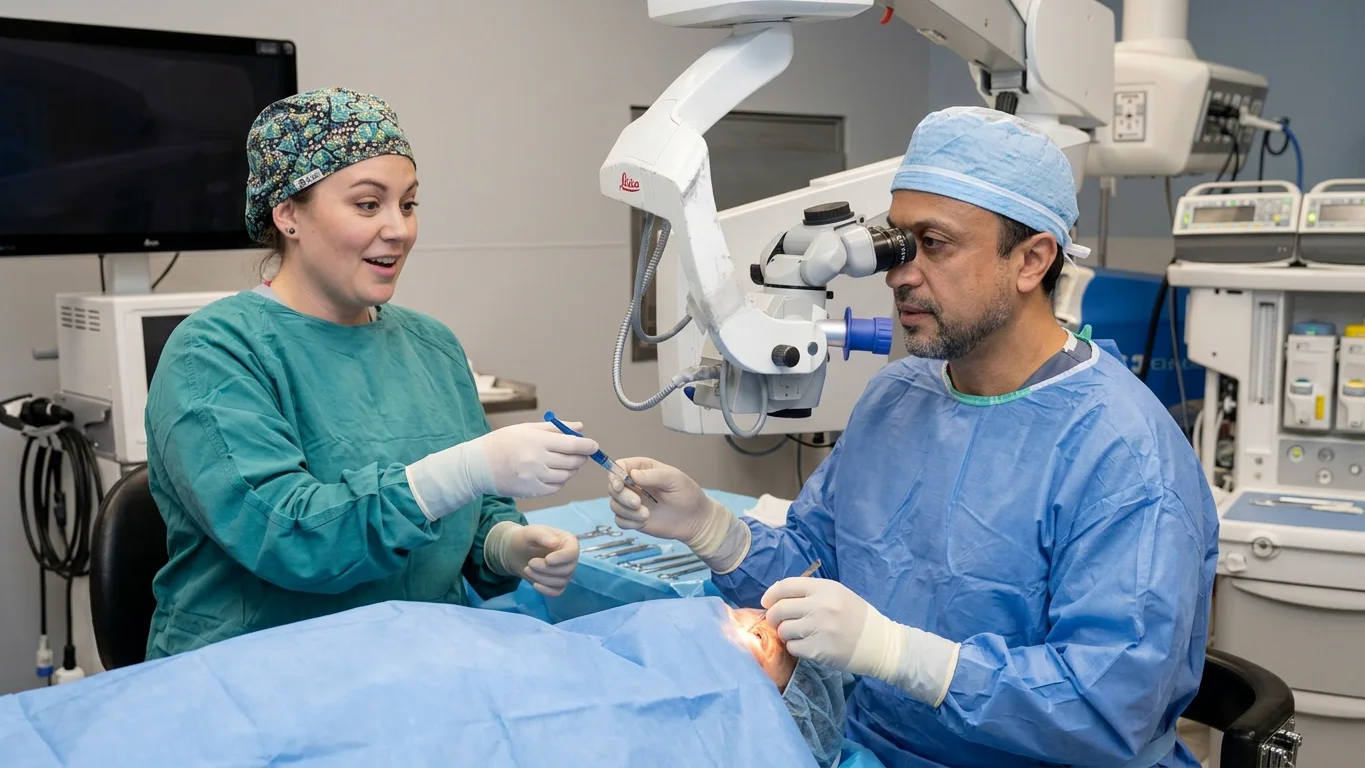
Observing Everyday Life Before and After Advanced Cataract Surgery Techniques
Before surgery, many people find they need brighter lights to read and may stop driving at night due to glare or halos. Activities like walking on uneven sidewalks or recognizing faces from a distance become more challenging. For those with a cloudy lens, even bright days can seem dull, and depth perception may suffer, raising concerns about falls.
After modern cataract surgery, most patients notice an immediate improvement. Colors appear richer, the world looks brighter, and ordinary tasks feel less stressful. Whether it’s watching grandchildren play, enjoying outdoor walks, or reading your favorite magazine, the change is often deeply personal. Modern advanced technology lenses can help select patients regain a fuller range of vision and reduce the need for glasses or contact lenses. The confidence and independence restored often go far beyond just sharper eyesight.
For those interested in the specifics of how these surgical advancements are implemented, you may find it helpful to review the detailed overview of procedures and patient experiences available on the Haider Eye Care website. This resource offers practical insights into the step-by-step process and what to expect before, during, and after cataract surgery.
What You’ll Learn About Advanced Cataract Surgery Techniques
Understand which advanced cataract surgery techniques are currently available
Explore how intraocular lens choices impact your vision
See how advanced technology like femtosecond lasers improve accuracy
Discover tailored solutions for special cases (like post-LASIK or complex corneal disease)
Learn why a trust-based physician relationship matters for your eye health
Advanced Cataract Surgery Techniques: An Overview
How Cataracts Affect Daily Life and Independence
Cataracts develop slowly, gradually clouding the natural lens of the eye, leading to symptoms such as blurred vision, increased glare, difficulty with contrast, and diminished color perception. For adults in Kentucky, Indiana, and beyond, these changes impact everyday life: reading labels at the store, recognizing loved ones in the distance, or navigating unfamiliar parking lots can feel daunting or even unsafe. Many people report feeling less independent, worried about falls, driving restrictions, or missing out on social events.
The gradual loss of clear vision is often unrecognized at first, but over time the need for brighter light to read, trouble with depth perception, or foggy sight at dusk become unmistakable. Personal independence, emotional well-being, and safety are all touched by these vision changes. Advanced cataract surgery techniques—the latest in surgical technique and lens choices—are designed to address not only the cloudy lens of the eye but also to restore confidence in previously enjoyable activities.
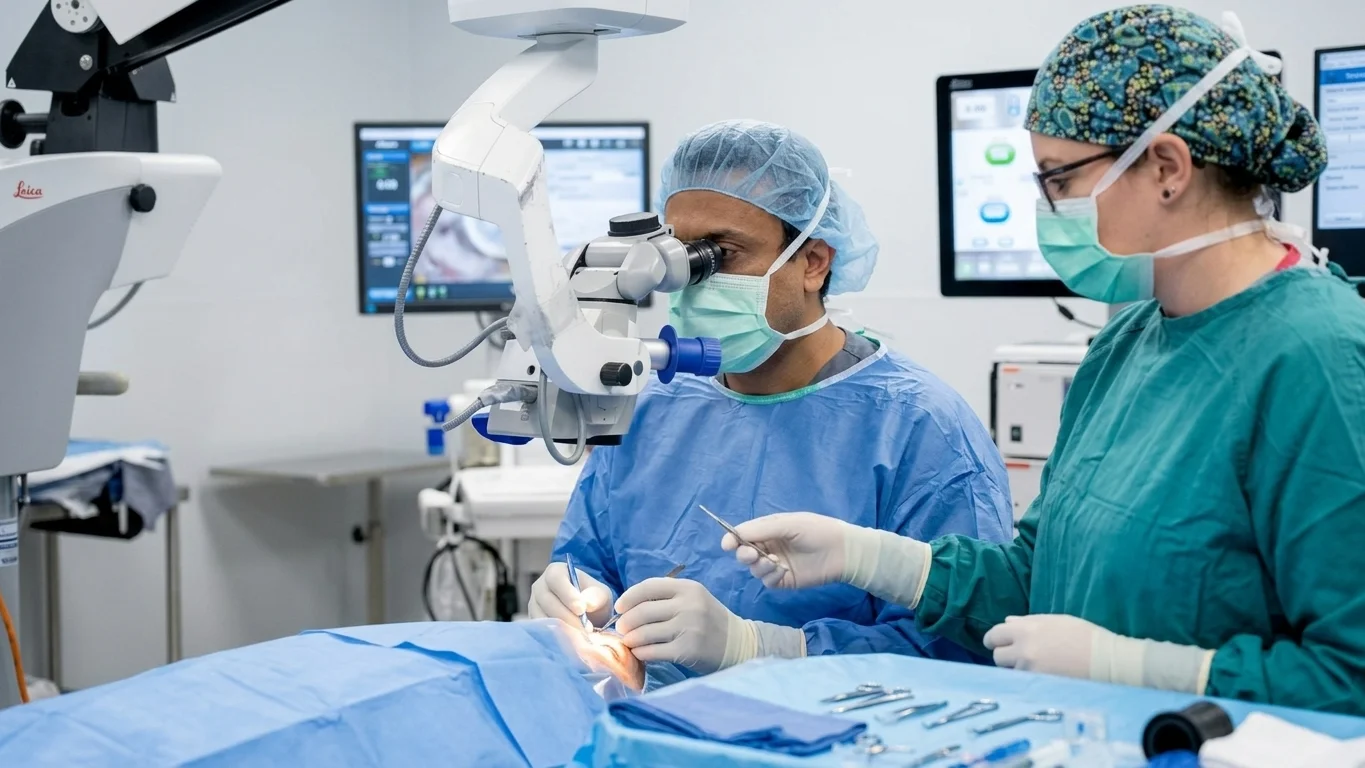
A Step-by-Step Walkthrough of Cataract Surgery
Modern cataract surgery typically starts with numbing drops and, if requested, light sedation for comfort. The surgical team prepares the eye in a sterile, supportive environment. The surgeon then creates a small incision in the cornea, removing the cloudy natural lens and replacing it with a new intraocular lens (IOL). For most patients, the full procedure takes less than 30 minutes, and you can often return home the same day.
Recovery is usually rapid—most people notice immediate improvement in their vision the next day, though eyes can feel sensitive or dry during the first week. Surgeons may prescribe eye drops to prevent infection and support healing. Individualized care matters: the surgeon’s skill during every step, choice of incision size, lens implant selection, and patient follow-up all shape the final visual result. Communicating your daily habits, vision goals, and any past eye procedures helps the surgeon tailor the experience for your best possible outcome.
Modern Surgical Techniques in Cataract Surgery
Small Incision and Minimally Invasive Surgical Technique
The small incision approach, called phacoemulsification, is the gold standard in cataract surgery today. Instead of a large opening, the surgeon makes a tiny, self-sealing corneal incision—often less than 3 millimeters wide. Ultrasound energy breaks up the cloudy lens, which is then gently removed. This technique means less trauma to the eye, lower risk of infection, and faster recovery. Many patients have clearer vision within a day or two and can quickly return to daily routines.
By minimizing the incision size, this surgical technique lowers disturbance to the sensitive tissues around the lens and helps ensure a watertight closure—often without stitches. The new artificial intraocular lens is folded and inserted through this tiny opening. After unfolding, the lens sits securely in place. The precision of the small incision approach is especially critical for patients with complex corneal disease or those who have had previous eye surgeries like LASIK, as it helps maintain the eye’s stability and long-term health.
Femtosecond Laser and Laser Cataract Surgery: What to Expect
Laser cataract surgery uses a specialized femtosecond laser to automate some of the most delicate steps: making corneal incisions, opening the lens capsule, and fragmenting the cloudy lens inside the eye. This laser provides a computer-guided level of accuracy that can further decrease surgical risk, create more precise incisions, and reduce energy exposure within the eye. Surgeons often use a combination of manual skills and laser assistance, adapting to each patient’s unique needs.
A laser-guided approach may be especially helpful for patients with irregular corneas, dense cataracts, or those seeking advanced intraocular lenses for extended focus. While not every case requires a laser, this technology advances the art and science of cataract surgery for many. Your surgeon will explain whether femtosecond laser-assisted surgery is the best choice, considering the shape of your eye, health of your cornea, and your individual goals for sight after surgery.
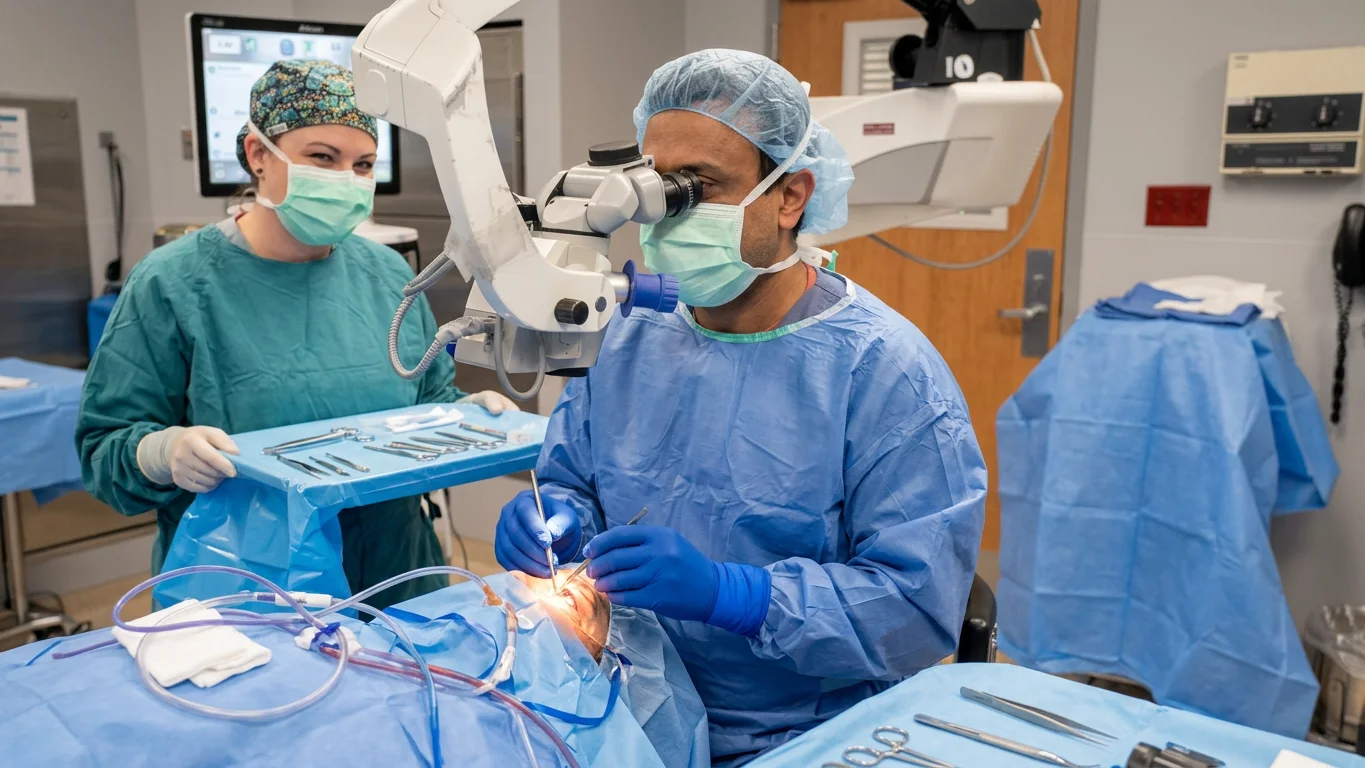
Choosing Your Intraocular Lens: Options for Every Patient
Monofocal Lenses: Clarity and Simplicity
Monofocal lenses are the most widely used intraocular lens type in cataract surgery. They are designed to focus light clearly at a single distance—usually set for either close-up tasks or distance vision, depending on your lifestyle preferences. If you spend most days reading, your surgeon may choose a monofocal lens for near vision and use glasses for distance (and vice versa). These lenses offer reliable outcomes, exceptional clarity, and have a long history of safety for restoring basic sight.
If you already wear glasses for reading or distance, you may find the experience with a monofocal lens quite familiar—simply sharper and clearer. For many people, especially those with complex corneal disease or additional eye health issues, monofocal lenses simplify both the surgery and the ongoing care. They are often the best choice for those wanting a straightforward path to better vision without additional features or risks associated with more complex lens designs.
Toric Lens for Astigmatism Correction
A toric lens is a type of intraocular lens designed specifically to correct astigmatism—a focusing problem caused by an irregular corneal shape. Traditionally, those with astigmatism required glasses or contact lenses after cataract surgery, but toric lenses help adjust the eye’s natural curvature, reducing or sometimes eliminating the need for corrective eyewear.
Advanced lens technology now allows your surgeon to calculate the most precise size and orientation for placement inside your eye, maximizing the lens’s effect and visual result. For patients with moderate to high astigmatism, a toric lens can dramatically improve both distance and quality of vision after surgery. The decision to use a toric lens depends on a careful examination and open conversation with your surgeon about your visual goals and lifestyle needs.
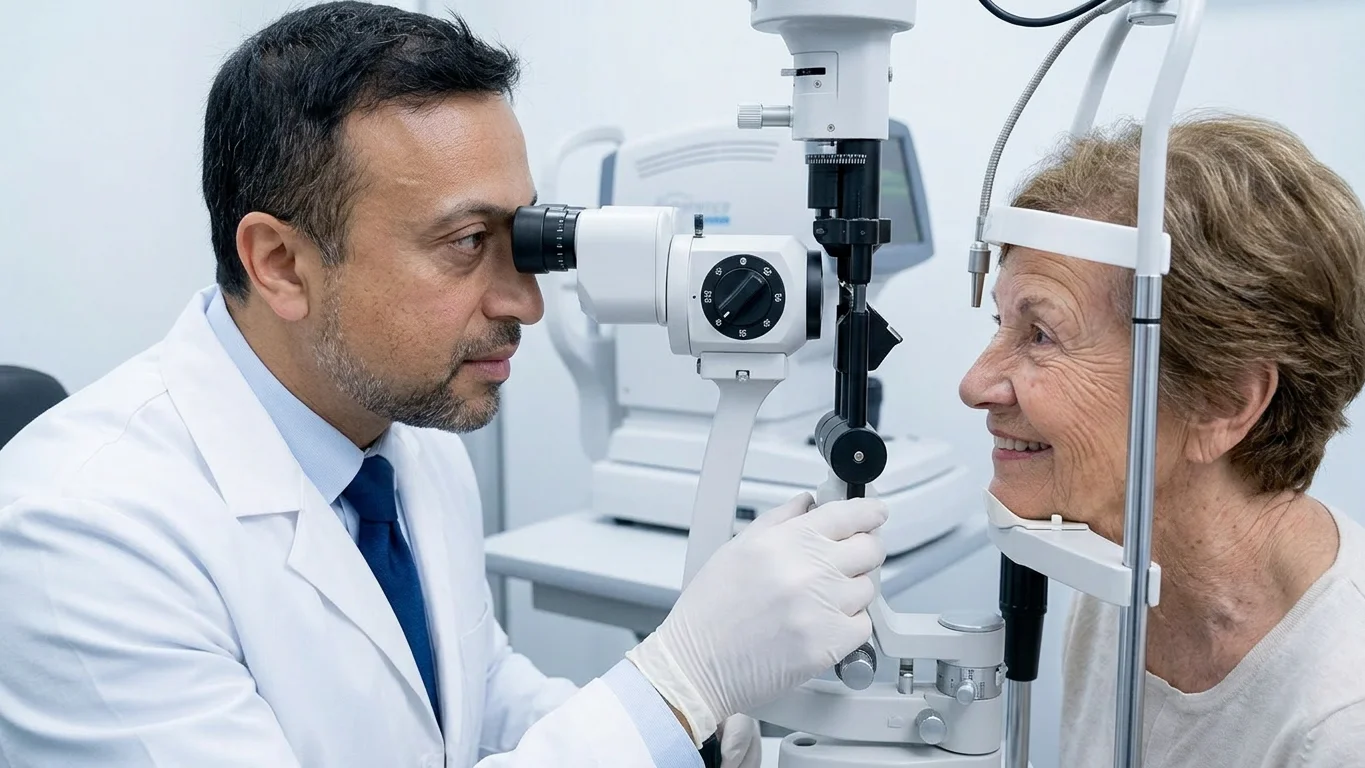
Extended Depth of Focus and Advanced Technology Intraocular Lenses
Recently, extended depth of focus (EDOF) and other advanced technology intraocular lenses have become available for an even broader range of vision. These lenses are designed to give you a more continuous range of focus—so you can see clearly at multiple distances with reduced reliance on glasses. This can be life-changing for some, allowing easier transitions from reading the newspaper to looking up at a clock across the room or spotting street signs while driving.
EDOF and multifocal intraocular lenses use special optical designs to stretch or split the focal point, providing improved vision at both intermediate and near ranges. Not every patient is a candidate for these advanced lenses. The best results are seen in those with healthy retinas and no significant corneal scarring. Your surgeon’s expertise is critical in matching lens options with your overall eye health, previous surgeries (like LASIK), and personal expectations for life after cataract surgery.
Comparison of Advanced Cataract Surgery Techniques and Intraocular Lenses |
|||
Technique/Lens |
Main Benefit |
Ideal For |
Typical Need for Glasses |
|---|---|---|---|
Small Incision Phacoemulsification |
Quick healing, minimal discomfort |
Most standard cataracts |
May still need for some tasks |
Femtosecond Laser Assisted |
Greater precision in incisions and lens fragmentation |
Dense or complex cataracts |
Depends on lens type selected |
Monofocal Lens |
Reliable clarity at one distance |
General population, complex eyes |
Yes, for near or distance |
Toric Lens |
Astigmatism correction, clearer focus |
Patients with moderate to high astigmatism |
Possible reduction in glasses for distance |
Extended Depth of Focus Lens |
Continuous range of vision, reduced halos |
Active adults, healthy eyes |
Sometimes none, depends on tasks |
Recent Breakthroughs and Advanced Technology in Cataract Surgery
Advancements in Femtosecond Lasers and Eye Drop Options
The integration of femtosecond lasers has not only improved precision but also expanded the possibilities for challenging eye conditions. Computer-guided lasers can create incisions tailored to each eye’s anatomy, making complex cases safer and more predictable. New research is also focusing on eye drop and eye drops therapy both before and after surgery to reduce inflammation, lower the risk of infection, and support more comfortable healing. These drops are especially helpful for patients who may have dry eye or are sensitive to traditional medications.
Newer lens delivery systems make surgery less invasive and fast, helping to minimize disturbance to the lens of the eye and surrounding structures. The field continues to evolve, guided by advances in materials science, digital imaging, and a better understanding of what creates lasting, comfortable sight for diverse patients. Every step forward centers around the core goal: restoring your vision reliably, safely, and with a personal touch.
What’s on the Horizon for Cataract Surgery in 2026?
By 2026, experts anticipate further refinement of artificial intraocular lens materials—making them more biocompatible, longer-lasting, and even less likely to cause glare or side effects. Enhanced lens delivery devices may allow for less manipulation within the eye, making surgery even easier for patients with tough corneas or existing surgeries, such as those who’ve had LASIK.
Scientists are also investigating non-surgical options, such as targeted eye drop treatments to slow cataract progression or reduce the cloudiness of proteins in the natural lens. While these innovations aren’t replacing surgery for most patients yet, they highlight a trend toward gentler, less invasive vision correction that continues to grow. The future promises more choices, higher personalization, and better outcomes—for every patient, no matter their medical history.
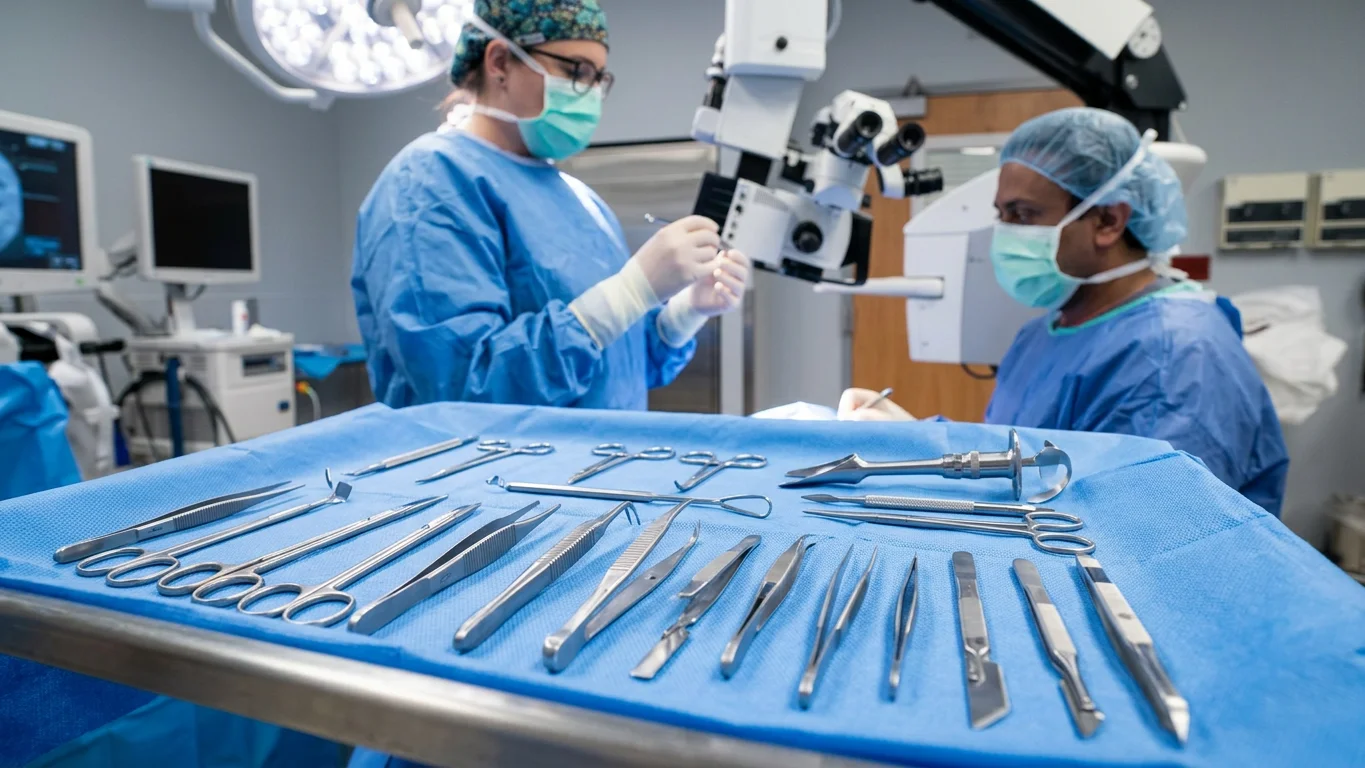
“There’s no such thing as a routine eye or a routine surgery—every patient’s vision matters, and every case is unique.” — Dr. Mohammad Haider
Who Benefits from Advanced Cataract Surgery Techniques
Patients with Complex Corneal Disease
Individuals with prior corneal disease—such as scars, swelling, or dystrophies—often face extra risks and challenges with standard cataract surgery. Advanced cataract surgery techniques, including customized incisions, digital preoperative mapping, and careful lens selection, can preserve delicate eye structure and optimize the final visual result. Surgeons with expertise in both corneal incision repair and lens implantation offer a wider array of solutions, helping patients regain function while minimizing surgical risk.
If you’ve been told you’re a “complicated case,” it’s important not to lose hope. With today’s tools and a surgeon who understands corneal health, excellent outcomes are possible—even for those with history of infections, injuries, or hereditary corneal issues. Advanced techniques focus not just on vision correction, but also on preserving the eye’s natural stability for years to come.
Considerations for Post-LASIK Patients
If you’ve had LASIK or another form of vision correction in the past, advanced cataract surgery techniques require careful measurement and planning. A key challenge is calculating the right power and shape of the new intraocular lens, since the cornea has already been reshaped. Surgeons use digital topography and other specialized scans to guide both incision location and lens selection.
Not all lenses are well suited for eyes that have had prior refractive surgery. Your surgeon will discuss the benefits and risks of monofocal lenses, toric lenses for remaining astigmatism, and whether advanced options like EDOF lenses are a fit for your unique corneal shape. Honest, detailed discussion and a custom surgical plan are the hallmarks of safe and excellent care for post-LASIK patients needing cataract surgery.
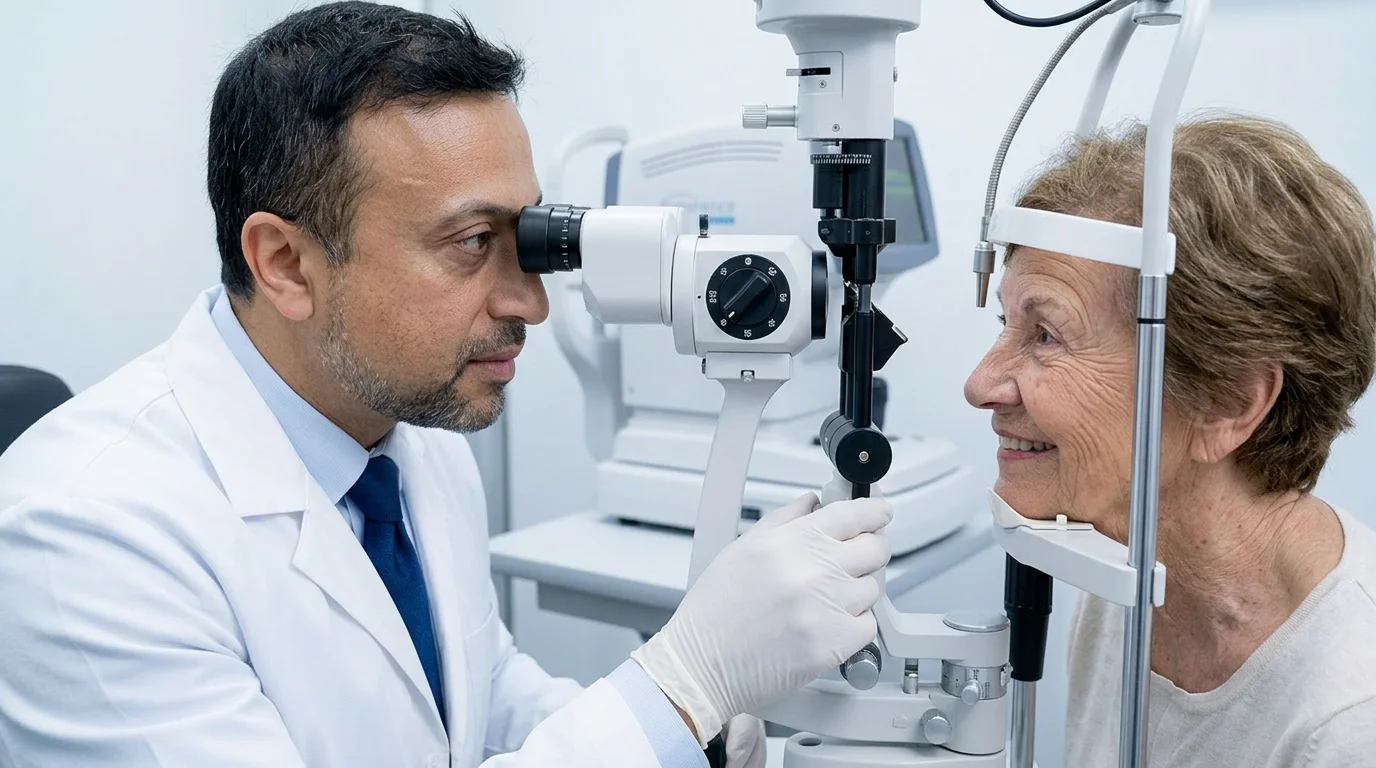
Addressing Fear and Questions in the Exam Room
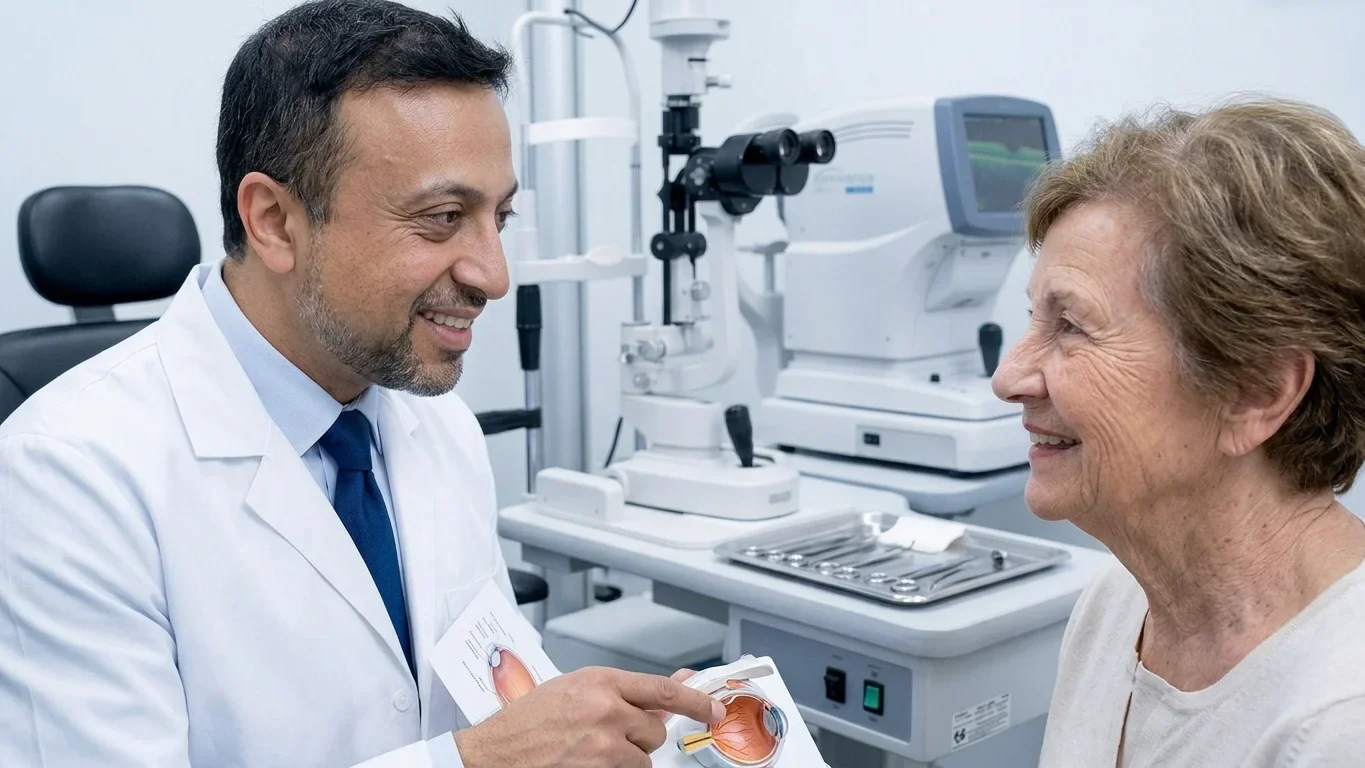
It’s natural to feel a mix of hope and anxiety when considering eye surgery. Most patients worry about changes in their independence, pain during the procedure, and whether the results will last. A skilled, independent surgeon welcomes all questions, never rushes decisions, and provides straightforward answers about what to expect at every stage—from pre-op measurements to follow-up visits.
You should always feel heard and respected when discussing your treatment options. By sharing concerns about recovery, your work or family routines, and your vision goals, you enable a stronger partnership and better outcomes. Trust grows when difficult questions are welcomed and answered clearly, and your care plan is built around your individual needs, never just a standard template.
People Also Ask About Advanced Cataract Surgery Techniques
What is the newest method of cataract surgery?
The newest methods in advanced cataract surgery techniques include laser-assisted surgery using femtosecond lasers, as well as advancements in intraocular lens designs that offer improved focus range and visual clarity. Laser technology automates some steps of the surgery, such as making tiny incisions and softening the cloudy lens, enhancing both the precision and safety of the procedure. Surgeons may now customize the surgery even further based on your individual eye shape and vision goals, leading to smoother healing and more predictable outcomes.
What is the most advanced technique for cataract surgery?
The most advanced technique for cataract surgery combines laser cataract surgery using a femtosecond laser with modern intraocular lens choices, tailored to each patient. This approach achieves an exceptional level of precision in incision-making and lens placement, enabling a customized result for your vision needs. Advanced lens designs, including toric and extended depth of focus lenses, further ensure that outcomes align with specific visual tasks, providing greater freedom from glasses for many patients.
What is the new treatment for cataracts in 2026?
In 2026, research is bringing new intraocular lens materials and delivery systems, as well as some promising eye drop therapies that may one day play a role in slowing cataract growth or supporting the healing process. While non-surgical treatments are being studied, the most established remedy remains the careful surgical removal of the cloudy natural lens and replacement with a new, advanced lens. These ongoing innovations look to make procedures safer, faster, and more tailored to each patient’s unique needs.
What is the gold standard for cataract surgery?
The gold standard for cataract surgery is quite clear: small incision phacoemulsification, often supported by the latest technology, with the implantation of a carefully chosen intraocular lens. This approach provides a quick recovery, strong visual results, and a high safety profile for most patients. When advanced tools such as femtosecond lasers or modern lenses are added, each step of surgery can be even more closely matched to your eye’s shape and history, maximizing the benefits for your long-term vision.
Frequently Asked Questions about Advanced Cataract Surgery Techniques
How long does recovery take after advanced cataract surgery techniques?
Recovery after surgery with modern techniques is typically rapid. Most patients notice clearer vision within one to two days, though mild sensitivity and needing eye drops for several weeks are common. Complete healing and final vision usually occur within a month.Will I need glasses after surgery with advanced technology intraocular lenses?
Many patients with advanced technology intraocular lenses (like extended depth of focus or multifocal lenses) reduce or even eliminate their need for glasses for certain tasks. However, some still choose to use glasses for fine print or use a specific focal point, especially at night.Are advanced cataract surgery techniques right for everyone?
While most adults benefit from advanced cataract surgery techniques, some complex eye health conditions, such as severe retinal disease or corneal scarring, may limit the use of certain lenses or lasers. A personalized evaluation with an experienced surgeon will clarify the best approach for your unique situation.How do I prepare for my cataract surgery appointment?
Preparation includes following all surgeon instructions, using any prescribed eye drops in advance, and arranging for someone to drive you home after surgery. Bring a list of your medications and be ready to talk about your vision expectations and everyday needs.What should I watch for during healing?
Watch for increasing pain, vision loss, severe redness, or persistent discharge—these are uncommon but important to report right away. Otherwise, expect gradual improvement, some mild itchiness or dryness, and a need to use prescribed eye drops as advised.
Summing Up: The Future and Promise of Advanced Cataract Surgery Techniques
With today’s advanced cataract surgery techniques, most adults can look forward to clearer vision, renewed confidence, and a gentle, thoughtful care experience built for their unique story. Staying informed and choosing a physician who truly listens is the first step toward seeing life brightly again.
Ready to Take the Next Step? Book Your Eye Exam Today
When you’re ready to see what’s possible for your eyes and your future, schedule a personalized consultation. Book your exam today. Call us at (502) 883-1015.
If you’re eager to expand your understanding of eye health and explore the full spectrum of vision care options, the Haider Eye Care homepage is an excellent starting point. There, you’ll find a wealth of information on advanced treatments, preventive strategies, and the latest innovations in ophthalmology. Whether you’re considering cataract surgery or simply want to stay proactive about your eye wellness, exploring these resources can empower you to make informed decisions and take confident steps toward lifelong healthy vision.



Write A Comment