

Imagine waking up one day and realizing the world looks dim and blurry, colors have faded, and familiar faces are less distinct. For many in Kentucky and Southern Indiana, these changes come on slowly—glare from headlights becomes more intense, night driving feels daunting, and even reading a favorite book requires more light. If you or a loved one are quietly noticing these signs, you're not alone. Restoring your vision is possible—even with challenging eye conditions. This guide explores what complex cataract surgery in Louisville can offer, how it differs from a standard procedure, and why personalized care from a trusted cataract surgeon matters for your vision and quality of life.
What You’ll Learn
The differences between standard and complex cataract surgery in Louisville
Advanced options for intraocular lenses and vision correction
How Dr. Mohammad Haider provides personalized, independent care
What to expect before, during, and after your cataract removal
Practical steps to prepare for surgery and support your clear vision afterward
Answers to common questions about surgery, recovery, and new treatments
Why Complex Cataract Surgery in Louisville Matters for Your Vision
Cataract surgery is one of the most successful medical procedures, but not every cataract is simple. Complex cataract surgery in Louisville is specially designed for patients facing extra challenges—like corneal disease, a history of LASIK, dense or advanced cataracts, or other eye conditions that increase the risks or difficulty of surgery. For many older adults in our community, these complex scenarios are becoming more common as we live longer and want to stay independent. Relying on an experienced, independent eye doctor who understands both the science and human side of vision loss is crucial. Retina disease or prior eye surgery, for example, makes cataract removal more delicate and demands advanced skills and technology. In Louisville, Dr. Mohammad Haider approaches each case with careful, individual attention so that patients receive not only clear vision but also the confidence to return to daily activities.
Early signs of vision loss—trouble seeing at night, cloudy or faded vision, glare, or halos—can deeply affect your quality of life and independence. Ignoring these warning signs allows the cloudy lens to gradually worsen, interfering with reading, driving, and enjoying time with loved ones. Complex cataract surgery supports you in reclaiming your sight and resuming activities that matter most. In a city like Louisville, with so many trusted cataract surgeons and advanced technology, you can find expert help close to home. Seeking help early and choosing specialized care means you never have to settle for less than your best possible vision.

Understanding Cataract Surgery and Its Advanced Options
Standard cataract surgery removes the clouded lens from your eye and replaces it with a clear, artificial lens (called an intraocular lens or IOL). This restores your vision and often reduces your reliance on glasses or contacts. But not all cataracts—and not all patients—are the same. Factors like previous LASIK or RK surgery, underlying corneal disease, tiny pupils, and advanced diabetes can make traditional cataract surgery more difficult. That’s when advanced options become essential.
Advanced or complex cataract removal may involve special surgical techniques, laser technology, and a careful selection of the right intraocular lenses for your eyes. New IOLs can also help address astigmatism and presbyopia, reducing the need for glasses for distance or near tasks. By treating each case as unique, expert cataract surgeons like Dr. Haider help restore clear vision and quality of life, even in challenging situations.
For those interested in a deeper understanding of the latest surgical techniques and how they can impact your outcome, you may find it helpful to explore the comprehensive resources available on the Haider Eye Care website, which covers advanced cataract procedures and patient-centered innovations in eye care.
Common Signs You May Need Complex Cataract Surgery
If you're experiencing more than the usual symptoms of cataracts, it could signal a more complex situation. Watch out for persistent glare or halos around lights, severe vision loss, double vision, cloudy or yellowing vision, and trouble seeing even with new glasses or brighter lighting. Diabetes, corneal disease, previous eye surgeries, or trauma to the eye also raise the risk that your case might require complex surgical care.
Patients who had LASIK or other vision correction treatments years ago may notice their old prescriptions no longer help. In these cases, the measurements for a standard lens implant may be less predictable, prompting the need for a surgeon with years of experience managing difficult situations. If you notice rapid changes in your focusing power, persistent redness or discomfort, or a cloudiness that doesn’t improve with new glasses, don’t wait—schedule an eye exam to discuss your options.
Who is a Candidate for Complex Cataract Surgery in Louisville?
Complex cataract surgery is recommended for patients whose eyes present extra risks, such as unstable or damaged support structures for the lens (zonules), extremely hard or mature cataracts, a history of prior eye surgeries (like LASIK, RK, corneal transplant), or medical conditions such as uveitis, advanced glaucoma, or corneal scars. If your eye has multiple problems—or if your cloudy lens is extra dense or complicated by other conditions—you want a surgeon experienced in these delicate procedures.
In Louisville and the surrounding region, complex cases are increasingly common among older adults, those with diabetes, and rural Kentuckians who may have delayed care for months or years. Dr. Haider works closely with local optometrists and family doctors to ensure each patient receives care tailored to both their medical history and personal goals for clear vision.
The Difference: Standard vs. Complex Cataract Surgery in Louisville
Not all cataract removal procedures are alike. Louisville is home to both corporate-owned eye centers and independent, surgeon-led practices. While the standard approach to cataract surgery works well for most, those with additional eye conditions require true expertise. Complex cataract surgery involves extra diagnostic testing, surgical planning, and highly refined skills. Your surgeon’s years of experience with advanced techniques and technology mean everything when the anatomy is challenging.
Selecting the right intraocular lens is especially important in complex cases. Some eyes need specific lens implants to restore focusing power, address corneal scarring, or minimize refractive error after LASIK. Your options—and your long-term results—depend on careful preoperative measurements and a clear understanding of your vision history. The result is reliable, clear vision for daily activities, done safely and gently.
Standard vs. Complex Cataract Surgery Features and Benefits |
||
Feature |
Standard Cataract Surgery |
Complex Cataract Surgery |
|---|---|---|
Patient Profile |
Routine cataracts, no major eye conditions |
Patients with corneal disease, prior surgery, small pupils, or dense/advanced cataracts |
Surgical Approach |
Standard ultrasound (“phacoemulsification”) technique |
Customized techniques (laser assist, special devices, extra support for lens implant, careful monitoring) |
Intraocular Lens |
Standard single-focus lens typically used |
Wide range of advanced lens options for astigmatism, after LASIK, or special cases |
Surgeon Experience Needed |
General ophthalmic training |
Years of specialized experience; expertise with complex eyes |
Expected Outcomes |
Restored clear vision for most daily activities |
Restoration of vision even in complicated eyes, with extra focus on visual clarity and independence |
Types of Intraocular Lenses Used in Complex Cataract Surgery
The choice of intraocular lens (IOL) is one of the most important parts of complex cataract surgery. In Louisville, advanced options are available to suit every unique eye. Your surgeon may recommend toric lenses for astigmatism, multifocal or extended depth-of-focus lenses for those who wish to minimize glasses, or specially designed lenses for patients who have had LASIK or RK in the past.
Choosing the right intraocular lens considers not just your vision goals, but also your corneal shape, previous vision correction surgery, and the health of your retina or optic nerve. In some cases, lens implants that filter ultraviolet light offer additional protection for sensitive eyes. Dr. Haider stays current with the most recent IOL technologies, always aiming to match the lens to your lifestyle and unique anatomy for the clearest possible vision.
How Complex Cataract Surgery Supports Clear Vision and Independence
Clear vision is about more than simply seeing the numbers on an eye chart—it’s about reading recipes, recognizing loved ones, and moving confidently through familiar spaces. Complex cataract surgery in Louisville focuses on restoring not just sight, but the freedom to carry out daily activities without fear or frustration. For patients who have lived with vision loss for months or years, even subtle improvements spark new energy and connection to life.
Cataract removal in complicated eyes requires careful surgical planning using advanced testing and imaging. By matching the right technique and advanced intraocular lens to your needs, the goal is to help you regain your independence. Many patients find they can once again drive safely at night, see vibrant colors, and enjoy brighter vision with less glare. This results not only in a higher quality of life, but also keeps you engaged in your community and favorite activities.

Dr. Mohammad Haider’s Approach to Complex Cataract Surgery in Louisville
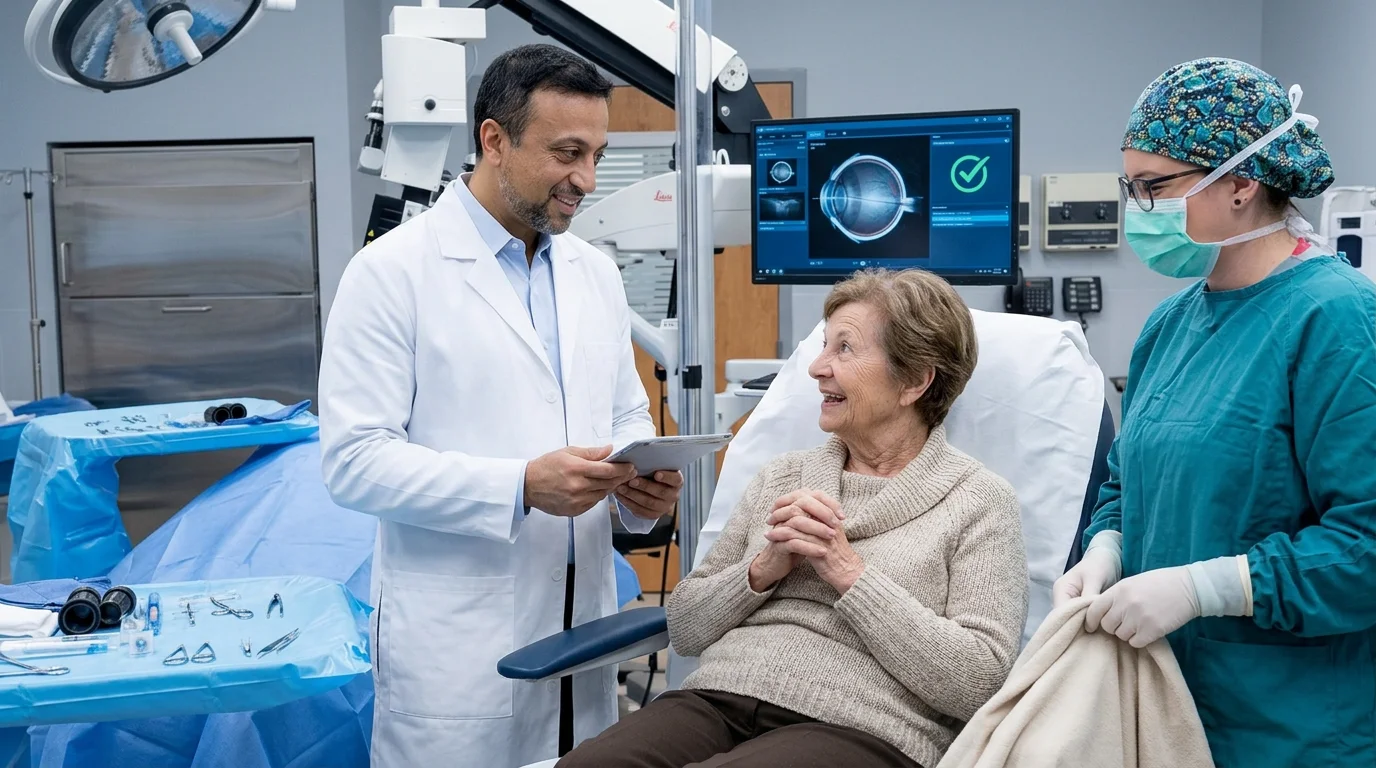
Choosing a surgeon for your complex cataract surgery in Louisville means more than picking a name from a list. Dr. Mohammad Haider, a trusted independent eye doctor, brings years of specialized experience and a personal commitment to every patient. Unlike corporate-owned centers, Dr. Haider provides surgeon-led care—from your initial eye exam through every step of your recovery. Each patient receives detailed counseling about their options and attentive follow-up, ensuring your comfort, understanding, and best possible outcome.
Patients appreciate Dr. Haider’s clear, warm explanations and his dedication to restoring both sight and independence. His approach balances advanced surgical technology with a gentle touch, making sure those who are anxious about surgery feel heard and respected. If you live outside Louisville or in a rural area, Dr. Haider collaborates with your local eye doctor so your care remains connected and convenient.
Personalized Care from Consultation to Follow-up
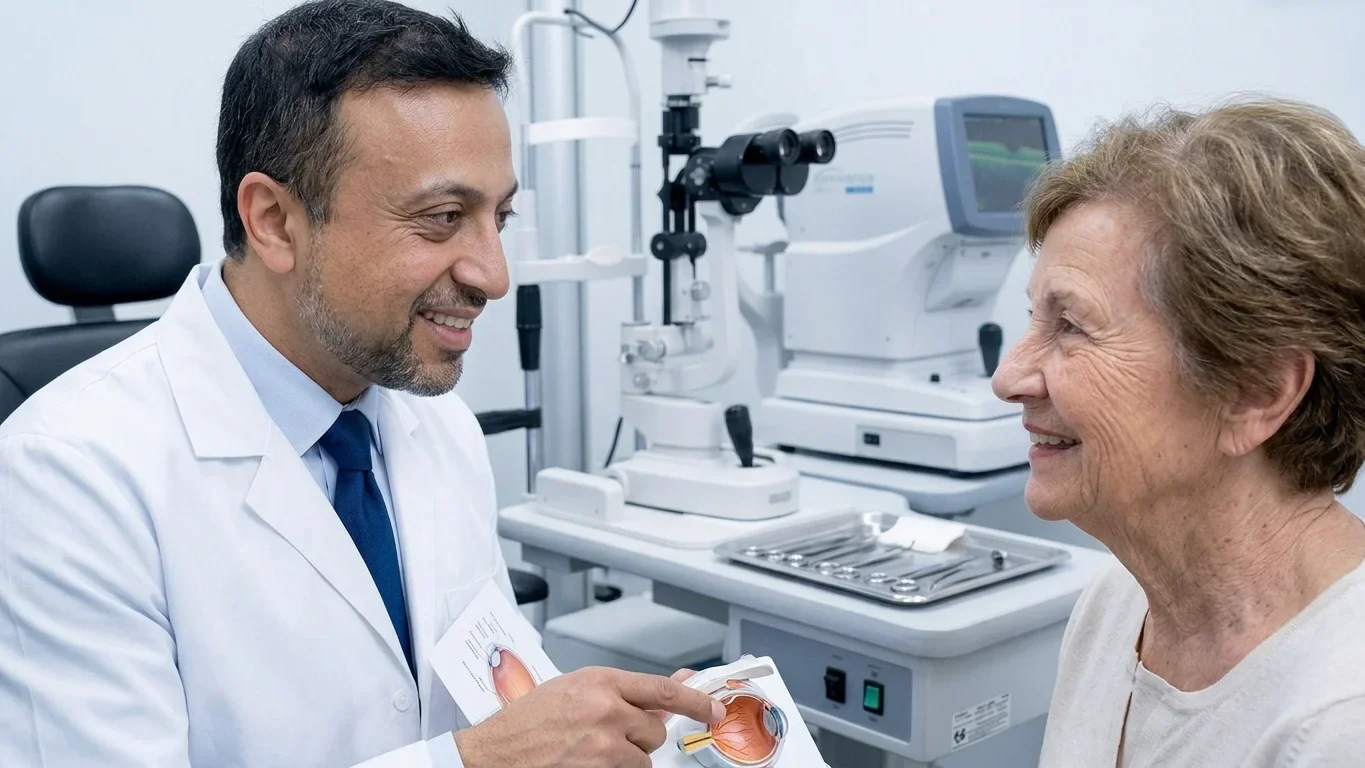
At Haider Eye Care, your journey begins with a thorough consultation and a detailed eye assessment—never a rushed process, and never a “one size fits all” approach. Dr. Haider uses state-of-the-art diagnostic technology to measure the anatomy of your eye, review your vision history, and discuss your everyday needs.
Every step—from surgery planning through postoperative care—is guided by your unique case. Dr. Haider is with you at each visit, answering questions and addressing any concerns. His philosophy is rooted in respect for your experience and your goals for clear vision and independence.
"Restoring sight means restoring independence and confidence—every patient deserves both." – Dr. Mohammad Haider
Surgeon-Led, Not Corporate-Owned: Why It Matters
Many eye clinics in Kentucky and Southern Indiana are now owned by large corporations or private equity groups. At Haider Eye Care, every patient sees the same experienced surgeon from the very first visit through surgery and beyond. This continuity of care builds trust, reduces anxiety, and means your questions are answered by someone who truly knows your eyes. Dr. Haider tailors each aspect of your care to your medical history and personal preferences, never rushing decisions or delegating crucial steps to less-experienced staff.
This surgeon-led approach ensures a higher standard of accountability and attention. Many patients feel more comfortable knowing their eye doctor will be with them every step of the way—especially when facing complex cataract surgery or difficult vision loss. It’s the difference between being treated as a number in an “ave unit” and being respected as an individual whose sight and confidence matter deeply.
Addressing Anxiety: What Patients in Kentucky and Southern Indiana Should Know
It’s natural to feel anxious about cataract surgery, especially when your situation isn’t straightforward. Dr. Haider understands the quiet worries many patients have—about pain, about recovering their independence, and about what happens if their surgery is more complicated. His team takes extra time to explain the procedure’s steps, answer questions, and discuss realistic expectations without hype or pressure.
From helping you plan transportation on surgery day to making sure prescriptions are filled and family caregivers are prepared, Haider Eye Care is committed to easing fears and supporting you fully. Clear, patient education is a priority, ensuring you always know what comes next on your journey to better vision.
Meet Dr. Haider: A Video Guide to Complex Cataract Surgery
Cataract Removal Techniques in Complex Cases
Removing a cloudy lens in challenging eyes typically requires advanced surgical methods, refined tools, and years of experience. Modern surgery often uses phacoemulsification—a technique that employs gentle sound waves to break the cataract into tiny pieces, allowing it to be removed through a small incision. In complex cases, your surgeon may use laser assistance or specialized devices to protect delicate structures and ensure stable placement of the new lens implant.
Careful planning and surgical precision are key to minimizing risks. Dr. Haider uses high-resolution preoperative imaging to map out each eye’s anatomy, particularly for patients with previous surgeries or corneal disease. With the right technique and technology, even advanced cataracts can be safely removed, restoring your sight and quality of life.
Modern Advances in Cataract Removal Technology
Technology for cataract removal has advanced rapidly in recent years. Today, sophisticated imaging and measurement devices support precise surgery planning—especially essential for patients with prior vision correction like LASIK or unique corneal shapes. Femtosecond lasers, for example, allow surgeons to make perfectly accurate incisions and soften the cataract for easier removal, lowering the need for large or risky cuts.
Smaller instruments and customized surgical tools protect sensitive structures inside the eye. New lens implantation techniques also reduce healing time and can provide more stable, predictable results—even for complex cases. These advances give patients in Louisville the confidence and clarity needed for the activities they cherish.
Cataract Surgery After LASIK or with Corneal Disease
Having had LASIK, RK, or other corneal procedures in the past changes the way a surgeon measures your eye’s focusing power and selects the right intraocular lens. Special calculations and advanced biometry help ensure the new lens matches your needs. Similarly, patients with corneal dystrophies or scars require a gentle approach to avoid complications and maximize clear vision.
Dr. Haider specializes in treating patients with these complex histories, taking added time to explain the risks, benefits, and choices for vision correction. His practice routinely manages challenging cases where both cataract removal and corneal restoration are required—giving every patient an informed path toward better sight.
Risks and Benefits: What to Expect from Complex Cataract Surgery in Louisville
Every surgery carries some risk, but with the right preparation and surgeon experience, complex cataract surgery can achieve transformative results. Most patients experience improved vision and increased confidence in daily activities. Risks may include infection, swelling, or persistent cloudiness, but these are rare and are further minimized by careful preoperative screening and advanced surgical technique.
The benefits—returning to hobbies, driving safely, recognizing loved ones, and regaining independence—far outweigh the potential drawbacks for most. Open, honest conversations with your surgeon about risks, expected outcomes, and your goals ensure you make informed decisions at every step.
Schedule a detailed eye exam and review your full vision history
Discuss all medications and supplements with your doctor before surgery
Arrange for transportation to and from the surgical center
Prepare your recovery area at home for comfort and safety
Follow preoperative instructions, such as using special eye drops
Discuss all questions and concerns with Dr. Haider and your care team
Your Cataract Surgery Journey: Step-by-Step
Understanding what to expect takes much of the worry out of complex cataract surgery. From your first appointment to your final follow-up, each step is taken with clarity, compassion, and expert care. The journey is personalized for every patient—especially important for those in rural or underserved areas of Kentucky and Southern Indiana who may have waited for help.
Dr. Haider and his team guide you through scheduling, preoperative preparations, surgery day procedures, and follow-up visits, ensuring your experience is smooth and your questions are answered promptly. Below is an overview of the main milestones on your path to clear vision.
Initial Consultation and Eye Assessment
Your journey starts with a thorough consultation and advanced diagnostic testing. Dr. Haider reviews your eye’s anatomy, vision history, and daily needs to create an individualized plan. If you’ve had prior LASIK or other eye surgeries, special measurements are taken to select the right lens inside your eye. This step ensures that your cataract removal is tailored for the best possible clarity and comfort.
Every patient is encouraged to bring questions and discuss their fears openly. Dr. Haider believes that education and honesty set the stage for a calm, confident experience and a successful result.

Surgery Day: What Happens During Complex Cataract Surgery in Louisville
On surgery day, you’ll be welcomed into a calm, supportive environment. The procedure itself is usually performed with gentle anesthesia for comfort. Many patients are surprised by how quick and painless modern cataract surgery is—even for complex cases. Dr. Haider uses specialized imaging, surgical microscopes, and, when needed, laser technology to safely remove the cloudy lens and replace it with the selected intraocular lens.
Most procedures take under an hour, followed by a brief stay in recovery. By using small incisions and advanced methods, healing is rapid, complications are minimized, and you can return home the same day. Dr. Haider personally checks every patient after surgery and reviews the aftercare plan carefully.
Visual Guide: Walking Through a Real Complex Cataract Surgery
Recovery and Follow-Up: Ensuring Clear Vision After Surgery
After surgery, you’ll use special eye drops and avoid certain activities for a short time to help your eye heal fully. Most patients notice vision improvements quickly, often within days, though full clarity can take a few weeks. Dr. Haider schedules several follow-up visits to monitor your healing, answer questions, and adjust your care plan if needed.
Complications are rare but are managed swiftly to prevent serious vision loss. Patients are always given direct contact information and instructions for what to watch out for during recovery. Care does not end after the operation—Dr. Haider and his team remain available for support as you regain confidence in your sight and daily life.
Life After Cataract Surgery: Regaining Freedom and Clarity
Once your eyes have healed, most patients find their world transformed. Tasks that were once frustrating—reading, cooking, traveling, working in the garden—can now be enjoyed once more. For those who had delayed surgery due to fear or medical complexity, the relief and excitement of restored vision are profound. Many patients report improved mood, renewed social engagement, and a stronger sense of personal independence.
In Louisville and across Kentucky, complex cataract surgery has given thousands the chance to keep living fully. With proper aftercare and ongoing eye exams, your results are designed to last for years, supporting a brighter, richer quality of life.

Comparing Intraocular Lenses: Key Features and Suitability |
||
Lens Type |
Main Benefit |
Best For… |
|---|---|---|
Monofocal IOL |
Clear distance or near vision, one focus point |
Most patients, those seeking clear distance with glasses for reading |
Toric IOL |
Corrects astigmatism, sharper overall focus |
Patients with significant corneal astigmatism |
Extended Depth-Of-Focus IOL |
Broader range of focus, less need for glasses |
Active adults wanting more freedom from glasses |
Special IOLs for Post-LASIK |
Custom power calculation, tailored fit |
Those with previous LASIK or RK, unpredictable eye shape |
FAQs on Complex Cataract Surgery in Louisville
What is considered a complex cataract surgery?
A complex cataract surgery refers to cases where surgery is made more challenging by factors such as dense or advanced cataracts, previous eye surgeries like LASIK or corneal transplants, small pupils, weak lens support structures, or underlying eye disease. These cases require extra skill, planning, and sometimes advanced technology to ensure safe cataract removal and precise placement of the new intraocular lens. An eye doctor with years of experience in complex cataract surgery can help guide your best options.
What vitamins not to take before cataract surgery?
Before cataract surgery, your eye surgeon may recommend pausing certain vitamins or supplements—especially those that increase bleeding risk, like Vitamin E, high-dose fish oil, or herbal products such as ginkgo, garlic, or ginseng. Always discuss all medications and supplements with your cataract surgeon during your preoperative eye exam to make sure your care is safe and tailored to your needs.
How long does a complex cataract surgery take?
Complex cataract surgery often takes a little longer than standard cataract removal, usually ranging from 30 to 60 minutes per eye, depending on the underlying challenges and your individual eye condition. Most procedures are outpatient, meaning you can go home the same day. Recovery starts quickly, with most patients noticing some vision improvement within hours to days after surgery.
What is the new treatment for cataracts in 2026?
Cataract technology continues to evolve, with new developments in laser-assisted surgery, advanced imaging, and innovative intraocular lenses emerging every year. Although traditional surgery remains the standard of care, research is ongoing into non-surgical treatments and even eye drops for certain early-stage cataracts. Your cataract surgeon can discuss the most advanced options available to you based on the latest science and your individual needs.
Key Takeaways for Patients Considering Complex Cataract Surgery in Louisville
Complex cataract surgery is available and effective for those with unique eye conditions, prior surgeries, or advanced disease
Selecting an experienced, surgeon-led practice ensures personalized care and trusted results
Advanced intraocular lenses offer new possibilities for clear vision and independence
Education, preparation, and open communication reduce anxiety and support a smooth recovery
Restoring your vision is possible—no matter how complicated your case may seem
Book Your Eye Exam with Dr. Mohammad Haider
Don’t wait for vision loss to disrupt your life. When you’re ready to see what’s possible for your eyes and your future, schedule a personalized consultation. Book your exam today. Call us at (502) 883-1015.
If you’re ready to take the next step toward restoring your vision or want to explore additional options for eye health, the Haider Eye Care main site offers a wealth of information on comprehensive eye care, advanced treatments, and the latest innovations in ophthalmology. Whether you’re seeking guidance on preventative strategies, learning about new technologies, or considering other vision correction solutions, you’ll find expert insights to help you make informed decisions. Dive deeper into the world of modern eye care and discover how personalized attention and advanced expertise can transform your outlook—literally and figuratively. Your journey to clearer, brighter vision can start with just a few more minutes of exploration.


Write A Comment