

Imagine yourself sitting in a friendly, warmly lit optometrist’s office. You’ve noticed your vision slipping—perhaps headlights have started to glow with halos, reading labels requires extra light, and evening drives make you uneasy. You’re not alone. Thousands of people in Kentucky and Southern Indiana step into eye doctor clinics every year with the same quiet anxiety. If this feels familiar, you’re already on the path to understanding how cataract surgery diagnostics methods can lead you toward clearer, brighter sight.
Your First Step: Understanding Cataract Surgery Diagnostics Methods
Your journey to better vision begins long before you ever enter an operating room. The heart of a good visual outcome—and your peace of mind—lies in the careful, thorough process of cataract surgery diagnostics methods. This means a series of gentle, thorough eye exams and advanced imaging tests. By starting with these diagnostics, your eye doctor gathers crucial information to understand your specific eye condition, ensure cataracts are truly the culprit, and tailor the best approach.
These methods do more than just confirm you have cataracts. They allow the specialist to map your natural lens, check for hidden risk factors, and prepare a plan that considers any past eye surgeries like LASIK or complex corneal diseases. Most important of all, these diagnostics give you a chance to have your questions answered, your fears addressed, and your expectations set gently and clearly. Trust, reassurance, and knowledge form the first step to clearer vision.
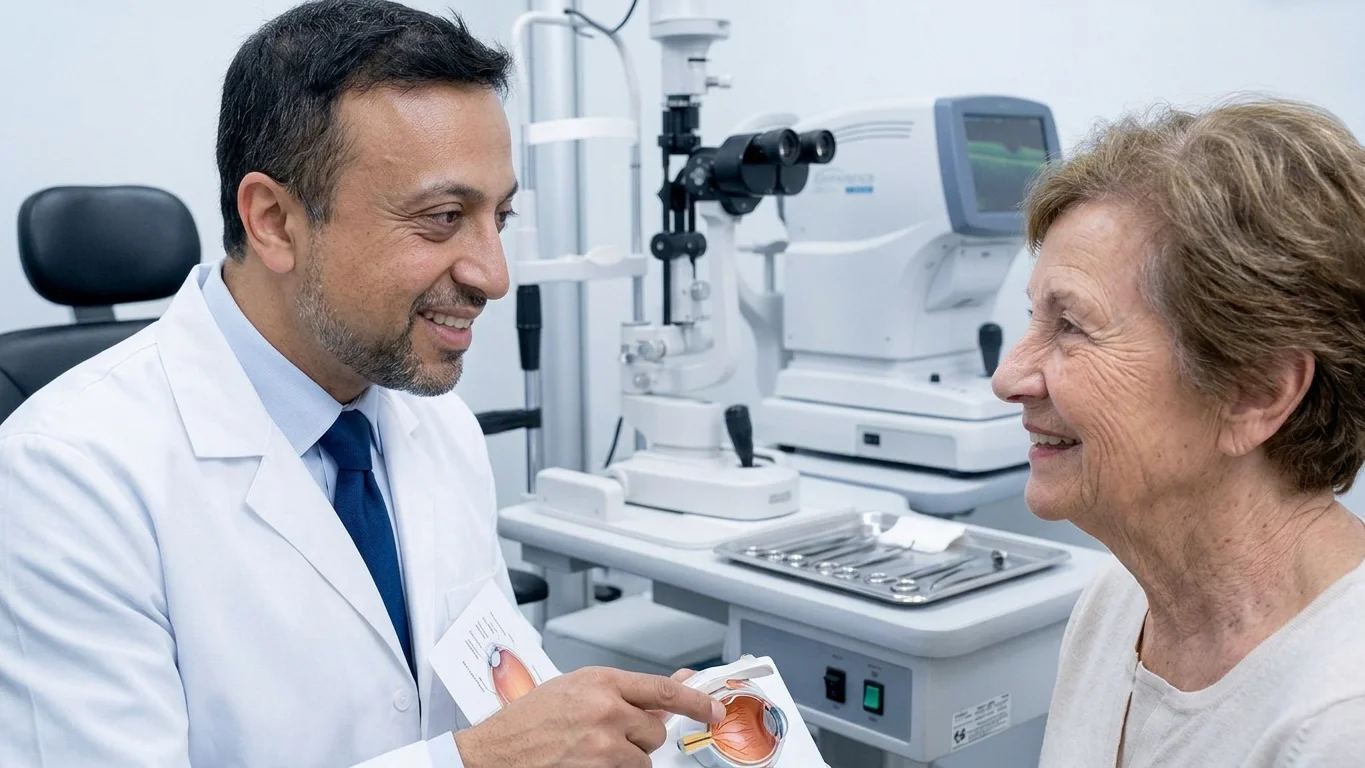
What You'll Learn About Cataract Surgery Diagnostics Methods
How cataract surgery diagnostics methods identify and assess cataracts
Why early detection and proper diagnosis can protect your sight
Key eye exams and technologies used by your eye doctor before surgery
Special diagnostic steps for complex cases, including patients with past LASIK
Answers to common cataract surgery questions from real patients
What Are Cataracts? Recognizing the Symptoms of Cataracts
A cataract is a natural result of the normal aging process, where the clear natural lens inside your eye becomes cloudy and begins to interfere with your daily activities. Most people notice symptoms gradually—such as blurry or dimmed vision, increasing glare or halos especially when driving at night, fading or yellowing of colors, and double vision in one eye. You may find yourself needing more light to read or struggling with once-simple daily tasks.
Cataracts typically start slowly, often making you think it’s just normal aging or changing your glasses might help. But when your vision begins to truly interfere with your daily enjoyment—like reading, gardening, or seeing your loved ones clearly—it’s time to consider comprehensive eye care. If you're experiencing symptoms of cataracts, getting an eye exam with your trusted eye doctor is the best step toward regaining your confidence and safety.
Why Early Detection Matters: The Role of Eye Exams in Cataract Surgery Diagnostics Methods
Early detection is not only about noticing your vision is changing—it is about understanding exactly why. Modern eye exams are designed to pinpoint cataracts in their earliest stages, sometimes before you even notice any symptoms. Your eye doctor will conduct a series of comprehensive eye tests to look for changes in lens clarity, eye pressure, and even subtle shifts in color perception.
By identifying cataracts early, you open the door to a greater range of treatment options and give yourself time to prepare mentally and practically for future decisions about cataract surgery. Early diagnosis also helps uncover any other eye conditions that could influence your recovery or make your procedure more complex—like a history of LASIK, glaucoma, or corneal disease. This patient-first, science-guided approach is your strongest safeguard against surprises and poor outcomes.
For a closer look at the comprehensive services and advanced diagnostic technologies available, you can explore how Haider Eye Care approaches personalized eye exams and vision care to ensure every patient receives tailored recommendations and support.
How an Eye Doctor Diagnoses Cataracts: From Your First Eye Exam to Advanced Testing
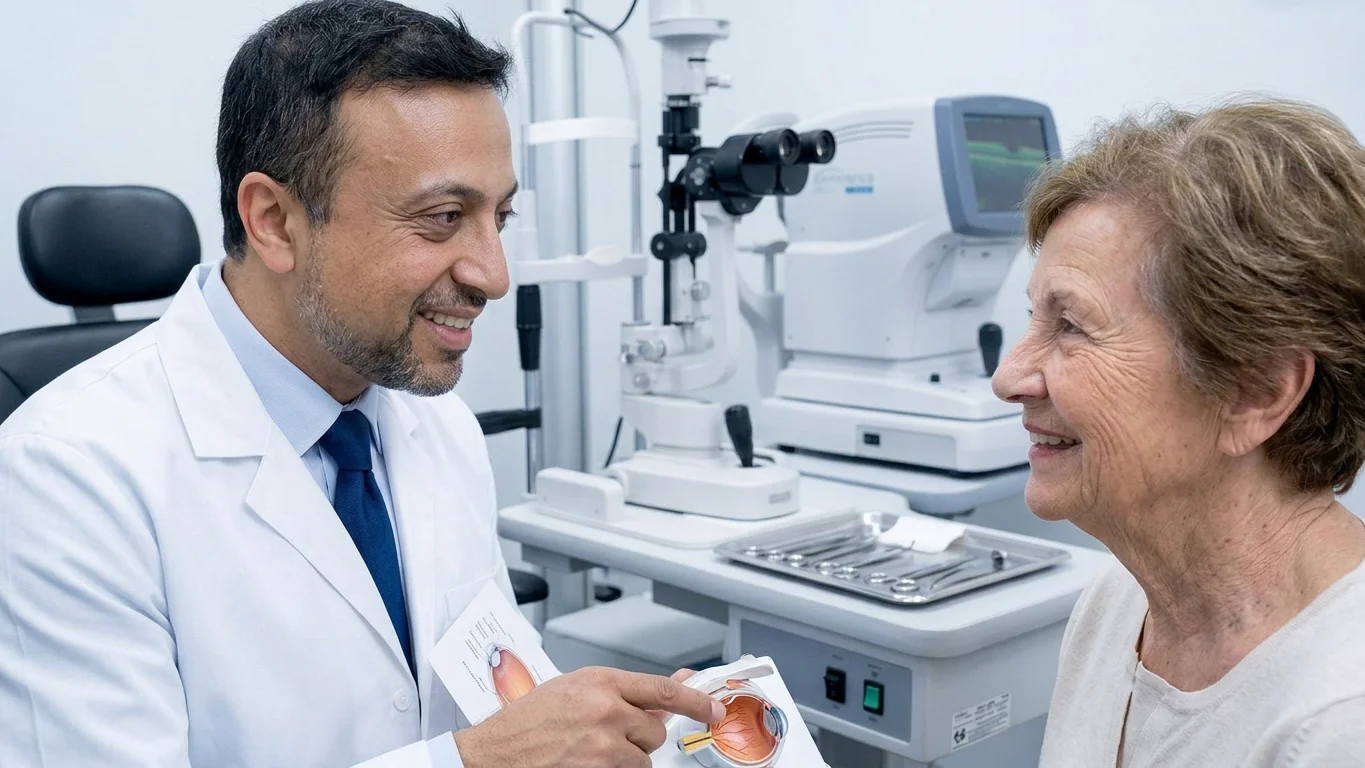
Your diagnostic journey often starts with a conversation. Your eye doctor will ask about any changes in your vision and how they affect your daily activities. They’ll want to know if you’ve noticed glare, difficulty with night driving, or if you have a family history of ocular disease. Special attention is given to prior procedures—like LASIK or contact lens wear—which may influence the choice of cataract surgery diagnostics methods.
Next, a series of thorough eye tests begin. These often include reading an eye chart, checking your refractive error, and examining your eye health in detail. Advanced imaging may be used, especially if your case is complex. Your doctor takes this information and creates a clear map of your eye’s unique features, addressing risk factors and ensuring transparent communication every step of the way.
Common questions your eye doctor will ask
Tests to expect at your eye exam
How past treatments (like LASIK) influence diagnostic methods
The Foundation of Cataract Surgery Diagnostics Methods: Visual Acuity and Refraction Tests
Every patient’s diagnostic journey begins with two core exams: the visual acuity test and a refraction test. Visual acuity, the familiar eye chart exam, measures how well you see at various distances. The refraction test determines your current prescription and reveals how much your vision can be sharpened with glasses. For patients experiencing symptoms, these foundation tests help your eye doctor separate normal vision changes from those caused by cataracts or other eye conditions.
A sudden or significant drop in vision that does not improve with an updated prescription often signals the presence of a cloudy lens—a hallmark sign of cataracts. The combination of these foundational tests gives your doctor a baseline by which to assess future changes, helps track the severity of the condition, and guides discussions about the right time for surgery or other treatments.
Slit Lamp Exam: A Key Step in Cataract Surgery Diagnostics Methods
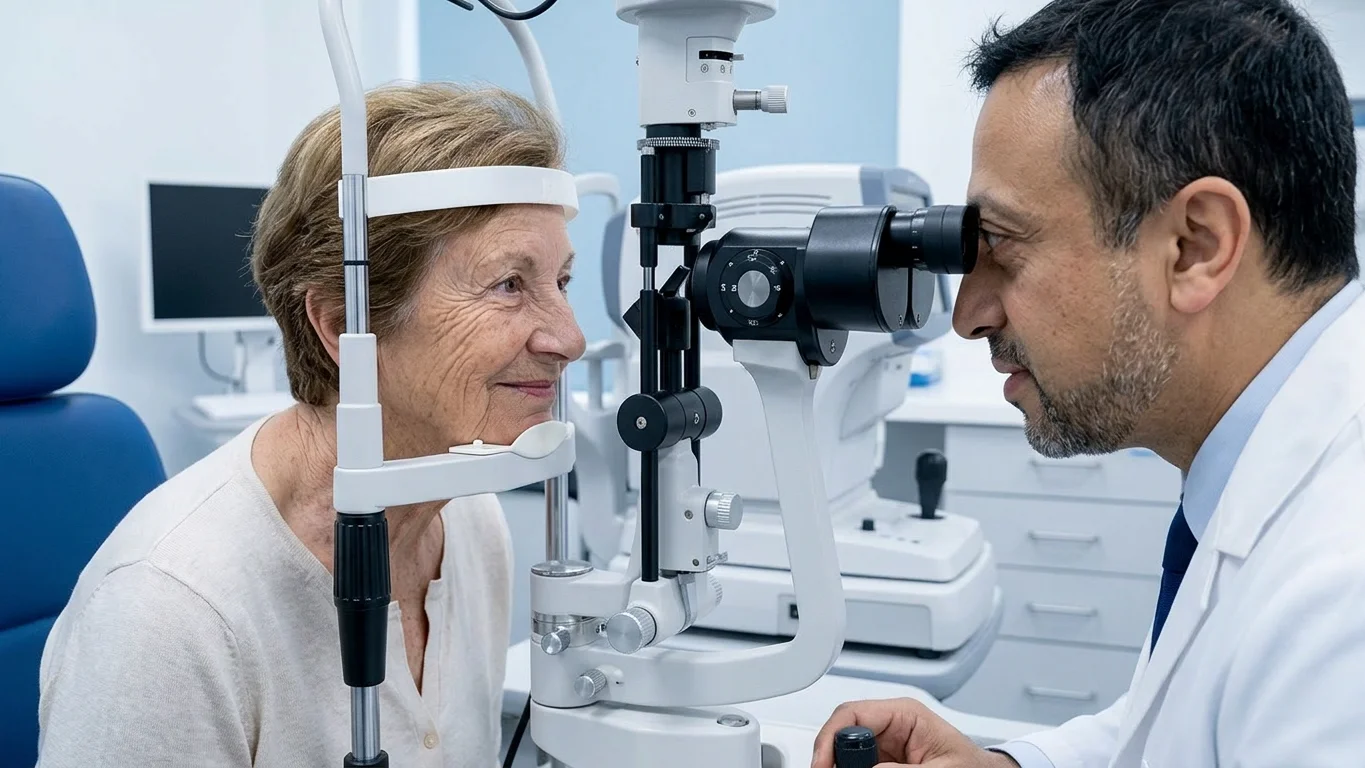
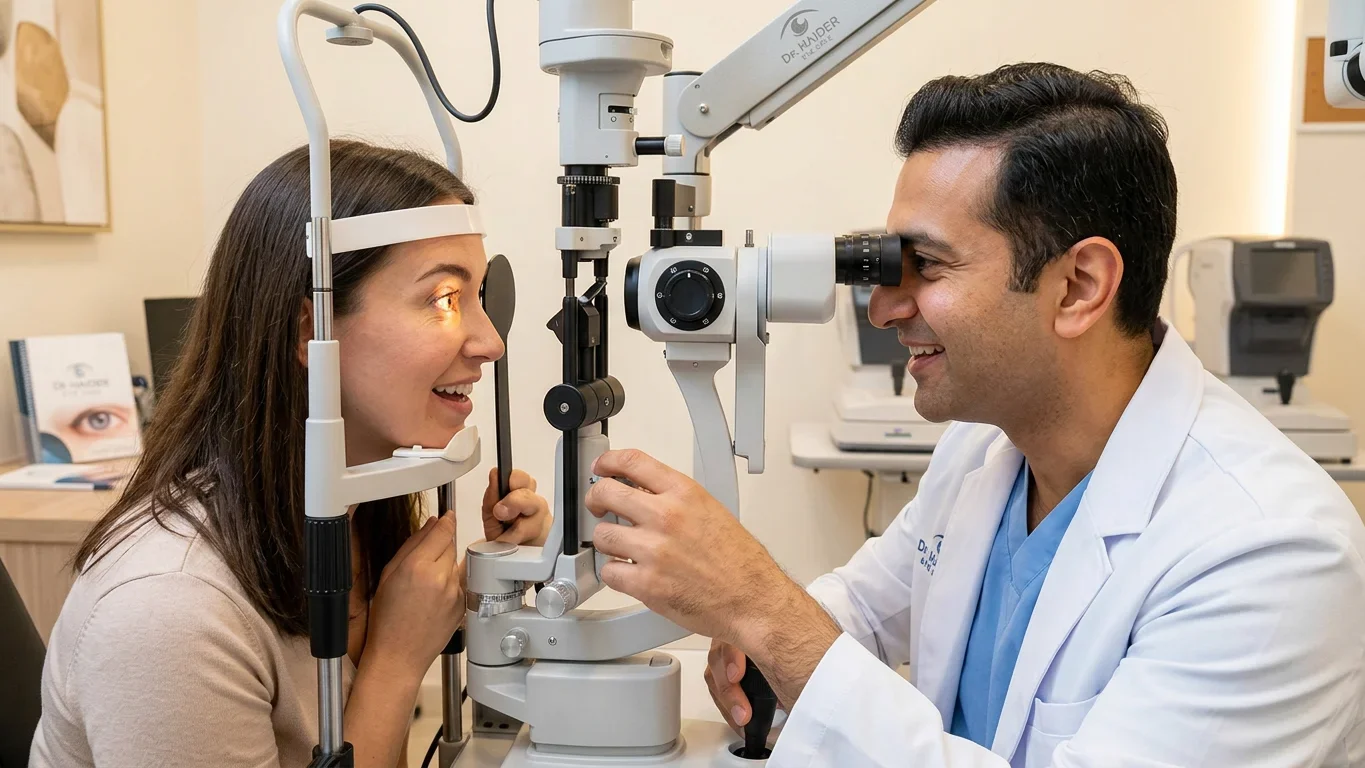
The slit lamp exam is the gold standard for closely inspecting the structures of your eye—especially the lens, cornea, and the front chamber. During this exam, you’ll rest your chin on a support while your doctor shines a thin beam of light into your eye, using a microscope to look for signs of cataracts or other changes.
This test not only confirms the presence of a cataract but also helps detect complex or hidden findings, such as inflammation or problems from previous surgeries. Your eye doctor pays close attention to the lens for any cloudiness or opacities that could impact your sight, as well as checking the health of other tissues that could influence surgical outcomes. Open communication during this step ensures you understand exactly what’s happening at each moment.
How the slit lamp exam is performed
What your eye doctor looks for
Detecting complex or hidden cataract symptoms
Measuring Eye Pressure: The Importance for Cataract Surgery Diagnostics Methods
Checking your eye pressure is a vital part of every eye exam, especially before cataract surgery. Elevated eye pressure is a risk factor for glaucoma, which can sometimes develop alongside cataracts as part of the aging process. If left undetected, high pressure can harm your optic nerve and affect your overall eye care plan.
A gentle, quick test called tonometry is used to measure intraocular pressure. This painless procedure helps your doctor detect signs of glaucoma early and create a safe treatment strategy. For those with pre-existing conditions or a family history of eye disease, precise pressure readings are even more critical to help plan the safest surgical journey and avoid complications that could threaten your sight.
Dilated Eye Exams and Retinal Assessment in Cataract Surgery Diagnostics Methods
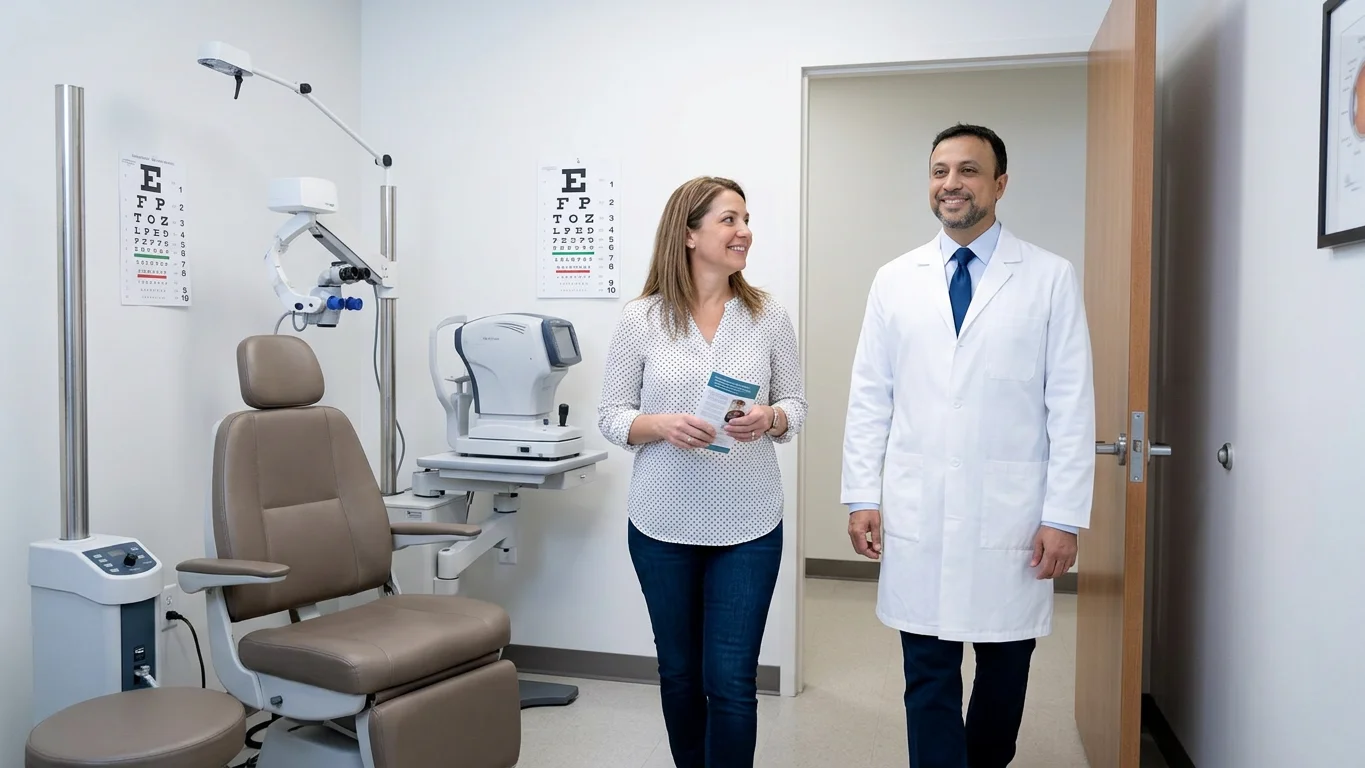
Dilated eye exams are a key next step in cataract surgery diagnostics methods. Your doctor administers special eye drops that widen (dilate) your pupil, allowing a full view of the back of your eye—the retina and optic nerve. This process is gentle, though your vision may be sensitive to light or blurred for a few hours.
Through this expanded view, your doctor checks for any additional eye conditions—such as macular degeneration, diabetic changes, or retinal tears—that could influence your treatment options. A thorough retinal assessment before cataract surgery ensures nothing is missed and lets your surgeon see the total health of your eyes, helping prevent unexpected outcomes during or after your procedure.
What to expect with dilation
Retinal and optic nerve assessment explained
Advanced Imaging: OCT and Biometry in Cataract Surgery Diagnostics Methods
As part of advanced diagnostics, your eye doctor may use Optical Coherence Tomography (OCT) and ocular biometry. OCT uses gentle, non-contact light waves to create a detailed image of your retina and macula, revealing even subtle changes that might affect surgery. This technology is especially useful for patients with coexisting eye conditions or those who have had prior procedures such as LASIK.
Biometry is equally crucial—it measures the length and shape of your eye to help select the best artificial lens (intraocular lens) for your needs. With this data, your doctor ensures your vision after surgery is as clear and sharp as possible, reducing your reliance on glasses and accounting for any unique eye features. These tools work together to lay the groundwork for a tailored, successful cataract surgery experience.
How OCT scans work and what they reveal
The role of biometry in choosing the right lens
Corneal Mapping and Surface Analysis in Cataract Surgery Diagnostics Methods
Corneal topography, or mapping, is an advanced diagnostic tool that creates a 3D map of your cornea—the clear front surface of your eye. This test is especially valuable for patients with unique corneal conditions, prior LASIK, or astigmatism. By revealing subtle irregularities, it helps your doctor personalize surgical plans and select the most appropriate artificial lens.
In addition to mapping, surface analysis provides insight into how the quality and shape of your cornea will interact with a new intraocular lens. The result? A smoother surgery with fewer surprises, even for those with complex eyes. Your doctor uses these findings to discuss realistic outcomes and reassure you about the path ahead, emphasizing transparency and patient involvement at every stage.
What is corneal topography?
How it impacts lens selection and surgical planning
Identifying Risk Factors During Cataract Surgery Diagnostics Methods
Identifying risk factors is a core principle of effective cataract surgery diagnostics methods. During your comprehensive eye exam, your doctor looks for anything that might complicate surgery or affect recovery, such as a history of high eye pressure (glaucoma), diabetic eye disease, previous LASIK or contact lens use, or unique anatomical factors.
Understanding these factors early allows your surgeon to take special precautions, communicate openly with you, and tailor a safe, effective care plan. This step ensures your outcome is not only successful but also as comfortable and predictable as possible. For many, simply knowing that all risk factors are acknowledged and addressed brings real peace of mind.
Understanding Treatment Options After Cataract Surgery Diagnostics Methods
Once diagnostic testing is complete, your eye doctor will review the results and discuss personalized treatment options. For some, routine surgery is safest; for others—especially those with complex corneal disease, astigmatism, or past refractive surgery—advanced planning may suggest an alternate approach or additional procedures.
Your options will always be tailored to your vision goals and health needs. This shared decision-making process is rooted in education and trust. Your doctor will explain the type of intraocular lens (IOL) best suited for your lifestyle, discuss expected recovery, and answer every question, ensuring you enter surgery confident, not confused.
Patient Stories: Real Experiences With Cataract Surgery Diagnostics Methods
"After my detailed cataract evaluation, Dr. Haider explained every step in words I could follow. I felt heard and completely at ease with my choices."
Testimonials describing the diagnostics journey
How trust is built through clear explanations
Patients consistently describe feeling anxiety at first, but relief by the end of their diagnostics process. One patient with a history of LASIK shared how Dr. Haider answered all his concerns and even contacted his previous eye clinic for extra records, emphasizing confidence and accuracy. By explaining each test and their significance, Dr. Haider ensures his patients feel prepared and empowered to make the best choices for their vision and independence.
Watch: A narrated walkthrough of the cataract surgery diagnostic process, with Dr. Haider and his friendly team guiding you from your first visit through each advanced test. You’ll see how each tool works and how each result shapes the journey toward restored sight.
Table: Comparison of Cataract Surgery Diagnostics Methods
Diagnostic Method |
What It Measures |
When Used |
Benefits |
|---|---|---|---|
Visual Acuity Test |
Clarity of vision at various distances |
Beginning of evaluation |
Simple, non-invasive, helps track vision changes |
Refraction Test |
Best prescription for glasses |
Initial eye exam |
Identifies changes due to cataracts versus other causes |
Slit Lamp Exam |
Health of cornea, lens, and anterior eye |
Every comprehensive eye exam |
Detects cataracts and complex eye issues |
Tonometry (Eye Pressure) |
Intraocular pressure |
Routine diagnostics |
Checks for glaucoma risk factors |
Dilated Eye Exam |
Retina and optic nerve health |
Pre-surgery or complex cases |
Detects conditions affecting vision and surgery outcome |
OCT Imaging |
Detailed mapping of retina and macula |
Complex or coexisting eye conditions |
Non-invasive, high-resolution visualization |
Biometry |
Eye shape and length |
Before surgery |
Guides artificial lens selection |
Corneal Topography |
3D map of corneal curvature |
Astigmatism, LASIK, complex cases |
Personalizes surgical plan and lens choice |
Lists: Signs You May Need Cataract Surgery Diagnostics Methods
Increasing glare or halos around lights
Fading or yellowing of colors
Difficulty seeing at night or driving
Needing more light to read
Double vision in one eye
Watch: Dr. Haider demonstrates the slit lamp exam, showing how this tool assesses lens clarity, the health of your cornea, and picks up subtle signs other equipment might miss. You’ll see exactly how the process works and why it’s central to your cataract surgery diagnostics journey.
Frequently Asked Questions About Cataract Surgery Diagnostics Methods
How long does a cataract surgery diagnostic exam take?
Most comprehensive diagnostic exams, including imaging and dilation, take between one to two hours. The time ensures your eye doctor can complete all necessary tests thoroughly and allows you to discuss results and next steps without feeling rushed.Will these tests be uncomfortable?
Nearly all the tests are gentle and non-invasive. Some may cause brief light sensitivity, especially after dilation, but your comfort is always a priority. Your eye doctor and staff will explain every step and can answer any concerns as they arise.Can my results be affected by other eye conditions?
Yes, coexisting conditions like glaucoma, diabetes, or previous surgeries can impact test results. That’s why it’s important to share your full eye health history and medications. Your doctor will interpret every diagnostic result within the context of your unique eyes and health background.What should I bring to my first eye exam?
For your first visit, bring your current glasses or contact lenses, a list of your medications, details of previous eye surgeries or conditions, and any questions that are important to you. A loved one can help with driving if your eyes will be dilated.
People Also Ask: Which Eye Do They Usually Do First for Cataract Surgery?
Typically, the eye with the worse vision or more advanced cataract is treated first. Your eye doctor will examine both eyes during your diagnostic testing and recommend the best order based on which eye is most affecting your daily activities. After the first eye heals, the second eye is scheduled if needed.
People Also Ask: What Doctors Don't Tell You About Cataract Surgery?
Many patients wonder if there are risks or special considerations that go unspoken. A trusted, surgeon-led clinic like Dr. Haider’s is transparent—discussing both the benefits and potential risks, the importance of follow-up care, and the fact that your unique health history guides every recommendation. No question is too small; understanding leads to better outcomes and peace of mind.
People Also Ask: What Is the Best Option for Cataract Surgery With Astigmatism?
For those with astigmatism, your doctor may recommend an advanced artificial lens designed to correct this condition during cataract surgery. Thorough diagnostics will determine if you are a candidate. Mapping your cornea, reviewing your eye’s shape, and discussing your vision goals ensures your treatment plan is as personalized and effective as possible.
People Also Ask: How Many Hours Does a Cataract Operation Take?
Cataract surgery is usually a brief procedure, often lasting less than 30 minutes for each eye. However, the complete visit—including pre-operative preparation and recovery—may take a few hours. Your surgical team will explain what to expect before, during, and after the operation so you can plan comfortably.
Key Takeaways About Cataract Surgery Diagnostics Methods
Diagnostics are the foundation of a safe, clear-sighted recovery
Advanced tests help personalize care—especially for complex eyes
Open, ongoing communication with your eye doctor reduces anxiety
Early detection gives you more options and better outcomes
Ready to Take the Next Step?
If you’re noticing changes in your vision or have questions about cataract surgery diagnostics, book your exam today: https://www.haidereyecare.com/contact
Understanding the full spectrum of cataract surgery diagnostics is just the beginning of your journey to better vision. If you’re interested in learning how these diagnostic insights translate into advanced treatment options and ongoing eye health, take the next step by exploring the broader range of vision care services and patient resources at Haider Eye Care. Discover how a commitment to innovation, patient education, and personalized care can help you achieve not only clearer sight but also long-term confidence in your eye health. Your vision deserves the highest standard—let your next chapter start with knowledge and expert support.



Write A Comment