

Imagine noticing the world turning softer at the edges: streetlights look blurry at night, colors seem less vibrant, and reading a menu at your favorite Louisville café feels harder. If this sounds familiar, you’re not alone. For many adults in Louisville, Southern Indiana, and across Kentucky, these changes mark the beginning of cataracts—and raise urgent questions about what comes next. Here, you’ll find honest, expert guidance on cataract surgery diagnostics in Louisville: how these first steps protect your vision, ease your fears, and set the stage for a life with clear sight.
Understanding Cataract Surgery Diagnostics in Louisville
The importance of accurate cataract surgery diagnostics in Louisville
How cataract diagnostics lay the foundation for successful cataract surgery
What sets Louisville’s cataract surgery diagnostics apart
Before anything else, accurate diagnostics are the quiet heroes behind successful cataract surgery. In Louisville, patients often wonder what their first steps should be when they notice vision loss or trouble with daily activities—like reading or driving at night. The truth is, expert eye doctors rely on state-of-the-art diagnostic methods to pinpoint the root of your visual concerns. These tests don’t just confirm if you have a cloudy lens; they reveal fine details of your eye's structure, helping to shape a surgical plan that matches your life and vision goals.
Louisville’s approach stands out because of its focus on individualized, compassionate eye care and the use of advanced technology throughout the cataract diagnostics process. Here, your surgeon and team listen deeply, calm anxieties, and walk you through each step. They blend high-tech insight with personal experience, ensuring that your journey from diagnosis to cataract removal feels clear and reassuring. This is not just a routine check; it’s a thoughtful partnership that sets the stage for life-changing results.

What You'll Learn About Cataract Surgery Diagnostics in Louisville
How modern diagnostics enable precise cataract removal
Role of intraocular lens selection in diagnostics
Why advanced technology matters in eye care
How your eye doctor guides you through the process
By reading further, you’ll discover what truly happens during cataract diagnostics, how tests like optical coherence tomography (OCT)—used at leading Louisville eye care clinics—provide a detailed view of your eyes, and why the lens implant you receive is directly tailored from your unique diagnostic results. You’ll also find out how your eye doctor responds to your questions, alleviates any anxiety, and works with you every step of the way to secure the best possible outcome for your vision and quality of life.
For those interested in the specific technologies and step-by-step process involved in eye exams, you can explore a comprehensive overview of modern diagnostic tools and procedures used at Haider Eye Care, which further illustrates how precision and patient comfort are prioritized throughout your cataract care journey.
The Patient Experience: From First Visit to Advanced Diagnostic Testing
Welcoming your concerns—how initial appointments are tailored
Steps in a comprehensive cataract surgery diagnostics exam
Patient comfort and understanding in Louisville practices
When you walk into a Louisville ophthalmology clinic for cataract surgery diagnostics, the experience is centered around comfort and clear communication. The first appointment is your chance to share your story. Whether you worry about fading vision, glare from headlights, or the aftermath of prior LASIK, your eye doctor listens and explains each test. The eye exam includes measuring your prescription, mapping your cornea, and evaluating your retina with advanced scans. You’re never left guessing about the process. Each staff member—from the front desk to the diagnostic technician to the surgeon—takes the time to answer questions before moving forward.
Patient comfort is a hallmark of Louisville’s best eye care. Staff are sensitive to anxiety about medical exams, especially when these tests are crucial for something as important as your sight. You can expect a calm environment and a step-by-step walk-through of what’s happening, with opportunities to pause and discuss concerns. This transparent approach builds trust, so by the time you’ve finished your diagnostics, you’ll feel informed and confident about your next steps—even if you arrive feeling nervous.
Advanced Technology for Cataract Surgery Diagnostics in Louisville
How advanced technology improves accuracy and outcomes
Examples: optical coherence tomography (OCT), corneal topography, and biometry
Why your eye care experience benefits from the latest tools
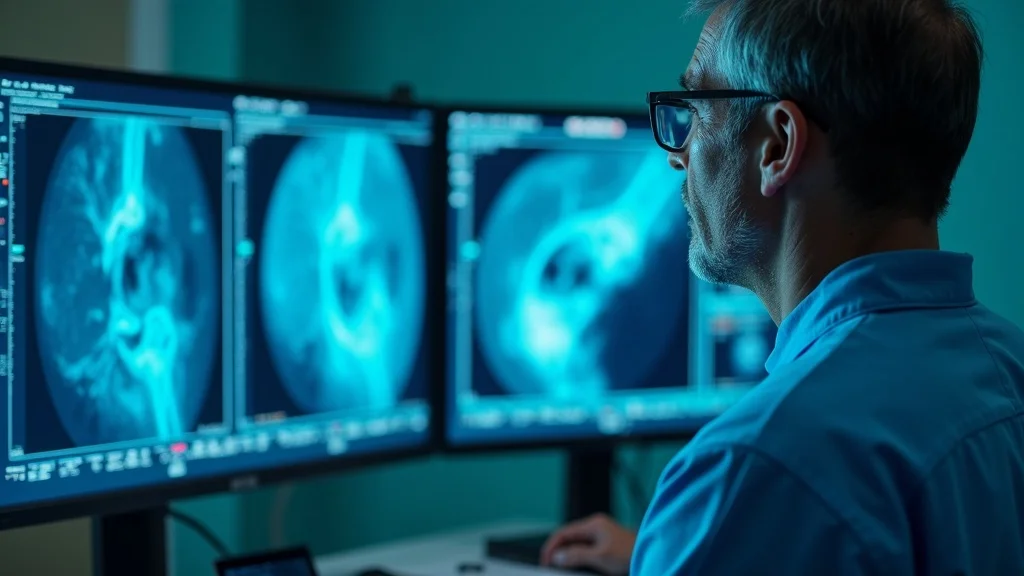
Louisville’s leading practices invest in advanced technology because each patient’s eyes are unique. Tools such as optical coherence tomography (OCT), corneal topography, and precise biometry unlock fine details invisible with standard exams. OCT, for instance, provides cross-sectional images of your retina, revealing subtle issues even before you notice vision loss. Corneal topography maps the shape and curvature of your cornea, especially important if you’ve had previous vision correction procedures like LASIK. Accurate biometry ensures the correct power and type of intraocular lens for your vision correction needs.
These sophisticated devices don’t just increase diagnostic precision—they help surgeons personalize every aspect of your care. Accurate diagnostics mean that your eye surgeon can select the perfect lens implant type and placement, minimize the need for glasses after surgery, and optimize outcomes even in complex corneal disease. For you, the patient, it translates to peace of mind, fewer surprises, and a much higher likelihood of regaining clear, comfortable vision so you can continue your favorite daily activities.

Intraocular Lenses and the Importance of Precise Diagnostics in Louisville
How diagnostics inform intraocular lens selection
Types of intraocular lenses considered in Louisville (monofocal, toric, multifocal, advanced technology options)
Achieving clear vision through individualized lens choices
Selecting the best intraocular lens (IOL) for your cataract surgery is like finding the key to a new, clearer world. Diagnostics inform this crucial decision, guiding your surgeon in choosing between monofocal, toric, multifocal, or other advanced lens implants. Monofocal lenses generally provide excellent vision at one distance—usually far, so you might still need reading glasses. Toric lenses correct astigmatism, while multifocal and other advanced lenses offer ranges of focus, helping reduce the need for glasses after surgery.
But which lens suits you? The answer depends on thorough testing. In Louisville, your diagnostics results determine lens power, shape, and special features—ensuring your implant is tailored to your everyday activities, whether you enjoy reading, gardening, or long country drives. This individualized approach to lens selection gives you the highest chance for clear vision and the freedom to live your life more fully.
Cataract Removal: How Diagnostics Shape Your Surgical Plan
Mapping your eye for safe cataract removal
Customized approaches for patients with complex corneal disease or prior LASIK
Step-by-step sequence: diagnostics to surgery
Safe, successful cataract removal begins with exceptionally detailed diagnostics. Your eye doctor carefully measures the length and shape of your eye, maps your cornea, and scans your retina so nothing is left to chance. If you’ve had LASIK or have underlying corneal disease, these advanced diagnostics become even more essential. Eye surgeons in Louisville design customized surgical plans to accommodate these complexities, making every decision based not only on years of experience but also on the most recent, patient-specific data.
The process unfolds step-by-step: first, gathering information through painless scans and measurements; next, reviewing options for your personalized lens implant; and finally, preparing you for surgery day with practical advice and clear expectations. All along, your care team ensures you understand the decisions being made. This patient-first model provides reassurance that you’ll receive care built around your eyes, not just a standard protocol, resulting in safer surgery and clearer vision.
Meeting Your Eye Doctor—Personalized Care Throughout the Process
Role of your eye doctor in guiding you before, during, and after cataract surgery diagnostics in Louisville
Questions to ask your eye specialist about diagnostics
How surgeon-led, independent care makes a difference
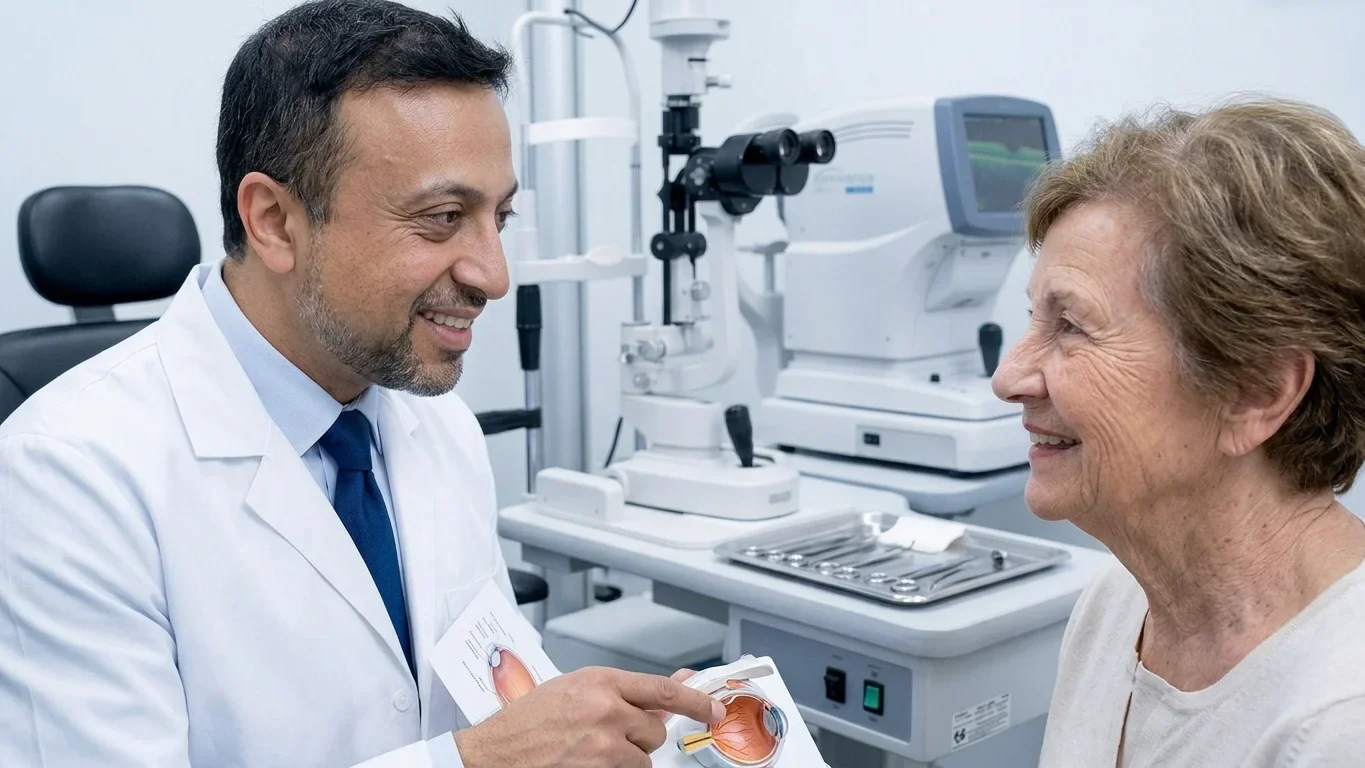
The relationship with your eye doctor is at the heart of the cataract surgery diagnostics journey. In Louisville practices led by independent surgeons like Dr. Haider, patients are never treated as numbers. Instead, every question—no matter how small—is welcomed, and every fear is addressed honestly and openly. You’ll work directly with your surgeon from your first exam through your final follow-up, building a partnership built on trust and compassion.
What should you ask your eye doctor? Start with questions about which diagnostic tests will be used, how your results affect lens implant choices, and what options are best if you have complex vision issues. Don’t hesitate to talk about your daily activities or hobbies; your surgeon uses these insights to help guide your entire care plan. In practices that remain independent, like Dr. Haider’s, there’s a special level of continuity: your surgeon—not a rotating specialist—knows your history and guides your progress, which can be vital for patients in rural or underserved areas seeking ongoing, accessible care.
Success Stories: Real Patient Experiences With Cataract Surgery Diagnostics in Louisville
"Dr. Haider helped me feel heard and understood every step of the way. The detailed diagnostics made me confident in my care."
— Actual patient review (paraphrased for privacy)

Table: Key Diagnostic Tests Explained for Cataract Surgery in Louisville
Test Name |
Purpose |
How It Helps With Intraocular Lens Selection |
Patient Experience |
|---|---|---|---|
Optical Coherence Tomography (OCT) |
Provides detailed cross-sectional images of the retina |
Uncovers retinal issues that may affect lens choices and visual outcome |
Painless scan, takes seconds, you look into a camera while images are captured |
Corneal Topography |
Maps the shape and curve of your cornea |
Detects astigmatism; influences the selection of toric or advanced lenses |
Quick, non-invasive, you look at a colorful ring pattern on a screen |
Ocular Biometry |
Measures the length and surface of the eye |
Ensures lens implant power is customized to your eye’s unique dimensions |
Simple and brief, similar to having a photo taken of your eyes |
Slit-Lamp Examination |
Examines the health of your eye’s front and back structures |
Identifies other conditions that could affect surgery and lens choice |
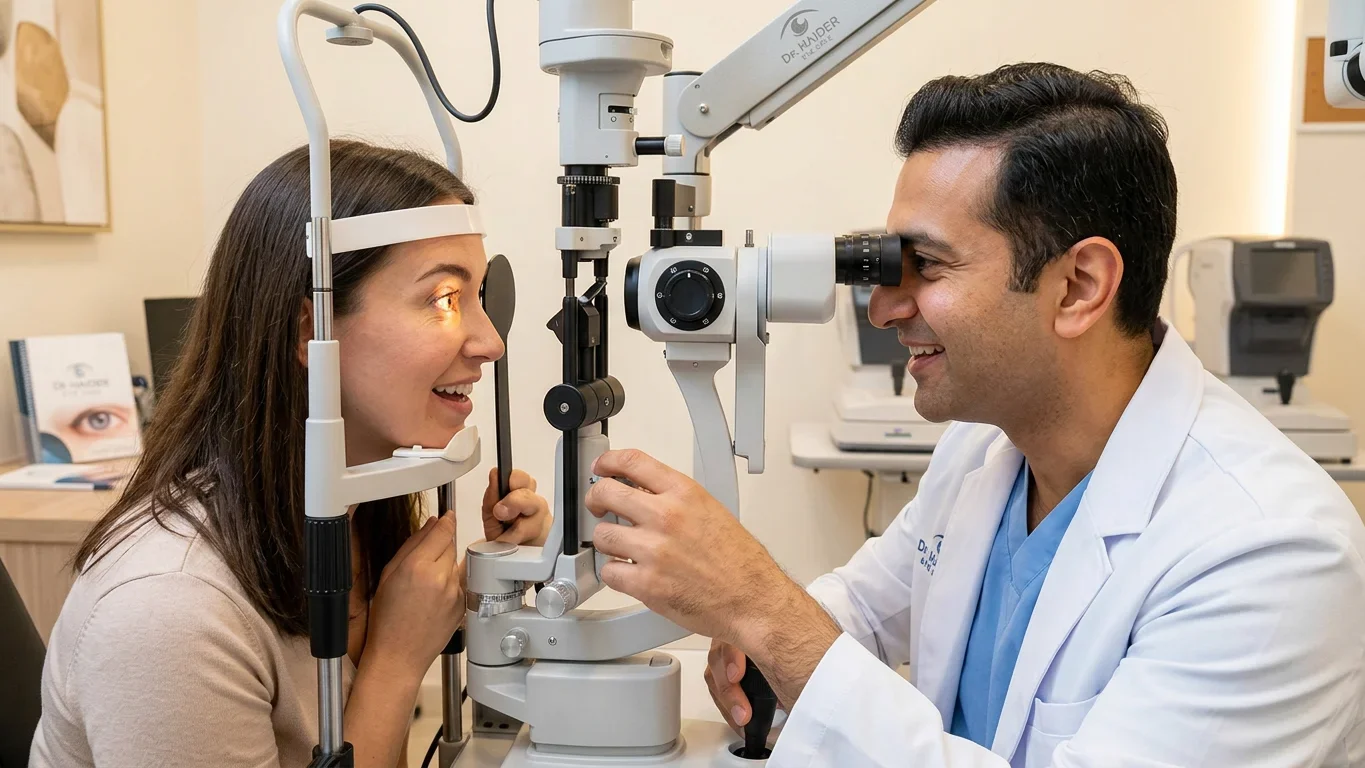
Shining a gentle light while you rest your chin and forehead for a close look |
Frequently Asked Questions About Cataract Surgery Diagnostics in Louisville
What are the first signs that I might need cataract surgery diagnostics?
Many people notice gradual changes like blurred vision, glare or halos around lights, difficulty with reading or driving at night, or needing more light for daily activities. If you notice these symptoms, a thorough eye exam can clarify whether cataracts are the cause and what options are available.
How safe are modern cataract surgery diagnostic procedures?
Modern diagnostics are safe, non-invasive, and designed for patient comfort. Tests like OCT and biometry use light (not radiation) and do not touch your eye directly. Trained professionals ensure you're comfortable every step of the way.
Can advanced diagnostics help if I had LASIK years ago?
Yes. If you've had LASIK or other forms of vision correction, advanced tests like corneal topography and special biometry formulas ensure your measurements are precise so that lens implant choices are as accurate as possible, supporting the best visual outcome.
What happens if my cataract surgery diagnostics reveal complex corneal disease?
If diagnostics uncover additional corneal conditions, your surgeon can personalize your surgical plan—sometimes adjusting techniques or selecting specialized advanced lenses. Independent practices in Louisville are experienced in managing these challenging cases with tailored care.
How soon after diagnostics can I have cataract removal?
The timing depends on your eye’s readiness, the results of all diagnostic tests, and your personal schedule. In most cases, once your diagnostics are complete and surgical planning is finished, your cataract removal can be scheduled promptly in coordination with your surgeon and staff.
People Also Ask About Cataract Surgery Diagnostics in Louisville
What is involved in an eye exam before cataract surgery?
Before cataract surgery, your eye doctor will conduct a thorough eye exam, including checking your vision, measuring eye pressure, mapping your cornea, and scanning your retina. These tests help determine the health of your eye and the best type of lens implant for your specific needs.
Will I need to stop any medications before cataract surgery diagnostics?
Most medications do not need to be stopped before your diagnostic visit, but always let your eye doctor know what you’re taking. Some drops or medicines may be paused just ahead of surgery itself, but your care team will provide step-by-step instructions if needed.
How do advanced diagnostics help with vision correction after cataract removal?
Advanced diagnostics provide precise measurements of your eye, which allows your surgeon to select and position the lens implant for your vision correction goals. This targeted approach greatly increases the likelihood of achieving clear vision and reducing dependence on glasses or contacts after surgery.
Are these diagnostics covered by insurance or Medicare?
The majority of essential cataract surgery diagnostics are covered by Medicare and most insurance plans when medically necessary. Advanced tests related to special lens implants or complex cases may have separate coverage policies; your eye doctor’s office will help you understand your benefits.
Watch an engaging educational video that follows a real patient’s journey through cataract surgery diagnostics in Louisville. See exactly what happens during the exam, how diagnostic tools are used, and how every team member ensures your comfort and understanding.
Listen as Dr. Haider, an independent Louisville eye surgeon, explains how advanced diagnostic technology leads to more precise care, better surgical outcomes, and a simpler, more confident patient experience.
Why Advanced Diagnostics Matter—Clear Vision, Better Quality of Life
The link between advanced diagnostic precision and clear vision outcomes
Protecting your independence and quality of life
A clear, worry-free view of the world means independence, safety, and the confidence to enjoy daily life. Modern, advanced diagnostics give Louisville surgeons the information needed to fine-tune your care so you regain the clear vision you need to read, drive, and connect with loved ones. These careful steps are about much more than a better surgery—they’re about protecting your quality of life for years to come.

How Louisville’s Surgeon-Led Eye Care Differs: Independent, Compassionate, Expert
Benefits of care not influenced by private equity ownership
Ongoing follow-up with your eye doctor at every stage
Accessibility for rural and underserved patients
Louisville’s unique blend of surgeon-led, independent eye care offers important benefits you won’t find everywhere. Here, your cataract journey is guided by a single experienced surgeon who is invested in your long-term results—not just the outcome of a single surgery. That means ongoing follow-up appointments with your eye doctor, not a different physician at each visit. Independent clinics are often more accessible to rural communities, delivering continuity and compassion for patients who might travel long distances or need extra reassurance throughout their care.
By choosing an independent office, patients gain a true partner—someone who is motivated only by what’s best for your vision, not by outside ownership or pressure. It’s a difference you’ll notice, from your very first greeting all the way through your return to daily activities with renewed vision and confidence.
Checklist: Preparing for Your Cataract Surgery Diagnostics Appointment in Louisville
Questions to bring to your eye doctor
Tips for documenting your symptoms and medical history
How to arrange for transportation if your pupils will be dilated
Preparation makes for a smoother, calmer diagnostics experience. Here are a few steps to help you get ready:
Write down your symptoms, when you first noticed them, and how they affect your daily life.
Bring a list of all medications (including eye drops) and any prior eye surgeries, like LASIK.
Prepare a list of questions, such as “Which lens implants are right for me?” or “Will I need glasses afterward?”
If your pupils may be dilated, consider arranging for a friend or family member to drive you home—your vision may be too blurry immediately after for safe driving.
Key Takeaways: Cataract Surgery Diagnostics in Louisville
Early and advanced diagnostics are vital for safe, effective cataract removal
Your eye care and intraocular lens choices should be highly personalized
Trust and communication with your surgeon make a difference
Your Next Step: Book Cataract Surgery Diagnostics in Louisville With Trusted Independent Care
When you’re ready to see what’s possible for your eyes and your future, schedule a personalized consultation. Book your exam today. Call us at (502) 883-1015.
To begin your personalized journey toward clear vision with advanced diagnostics, book your appointment today. You deserve a trusted guide every step of the way.
If you’re ready to take the next step in your vision care or want to understand how comprehensive eye health impacts your overall well-being, consider exploring the broader range of services and patient resources available at Haider Eye Care. Their commitment to advanced diagnostics, personalized treatment, and ongoing support ensures you have access to the latest innovations in eye care. Whether you’re seeking preventive advice, managing complex conditions, or simply want to stay informed about your options, their expertise can help you make empowered decisions for lifelong vision health. Discover how a holistic approach to eye care can enhance not just your sight, but your quality of life.


Write A Comment