
cropper

Haider Eye Care

  • Home
  • About
  • Categories
    • Cataracts
    • Cornea Transplant
  • Services
    • - Cataracts
    • In-Office Cataract Surgery
    • Cataract Treatment
    • What To Expect - Cataract Surgery
    • Cataract Surgery Recovery
    • - Cornea Transplant Specialist
    • Cornea Transplant Services
    • Types of Cornea Transplant
  • Contact
  • All Posts
  • Cataracts
  • Cornea Transplant
September 26.2026
1 Minute Read

Discover Advanced Cataract Surgery Techniques Transforming Vision

Imagine waking up one morning and seeing the world in sharp, vivid detail — colors brighter, faces clearer, and text once blurred now legible. For many patients, this dramatic transformation is now possible thanks to advanced cataract surgery techniques. This comprehensive guide explores the latest breakthroughs, compares traditional methods with new technology, and helps you confidently prepare for a life-changing vision journey.

Understanding Advanced Cataract Surgery Techniques: A New Era in Vision Restoration

Advanced cataract surgery techniques have redefined what it means to restore eyesight. Unlike traditional approaches, which relied heavily on manual skills and basic instruments, today’s surgeries harness precision lasers, artificial lenses tailored to your individual needs, and cutting-edge imaging technology for incredibly predictable results. Cataract surgery is no longer just about removing a cloudy lens; it’s about customizing vision restoration to suit each patient’s unique eye conditions.

The main keyword, advanced cataract surgery techniques, reflects a collection of new surgical procedures and innovations designed to produce quicker recovery, fewer complications, and better-than-ever vision. Whether you are facing blurred vision, dealing with vision loss, or seeking the best treatment option for your specific eye health requirements, these techniques present powerful solutions. Let’s discover how modern technology puts you at the center of your cataract care.
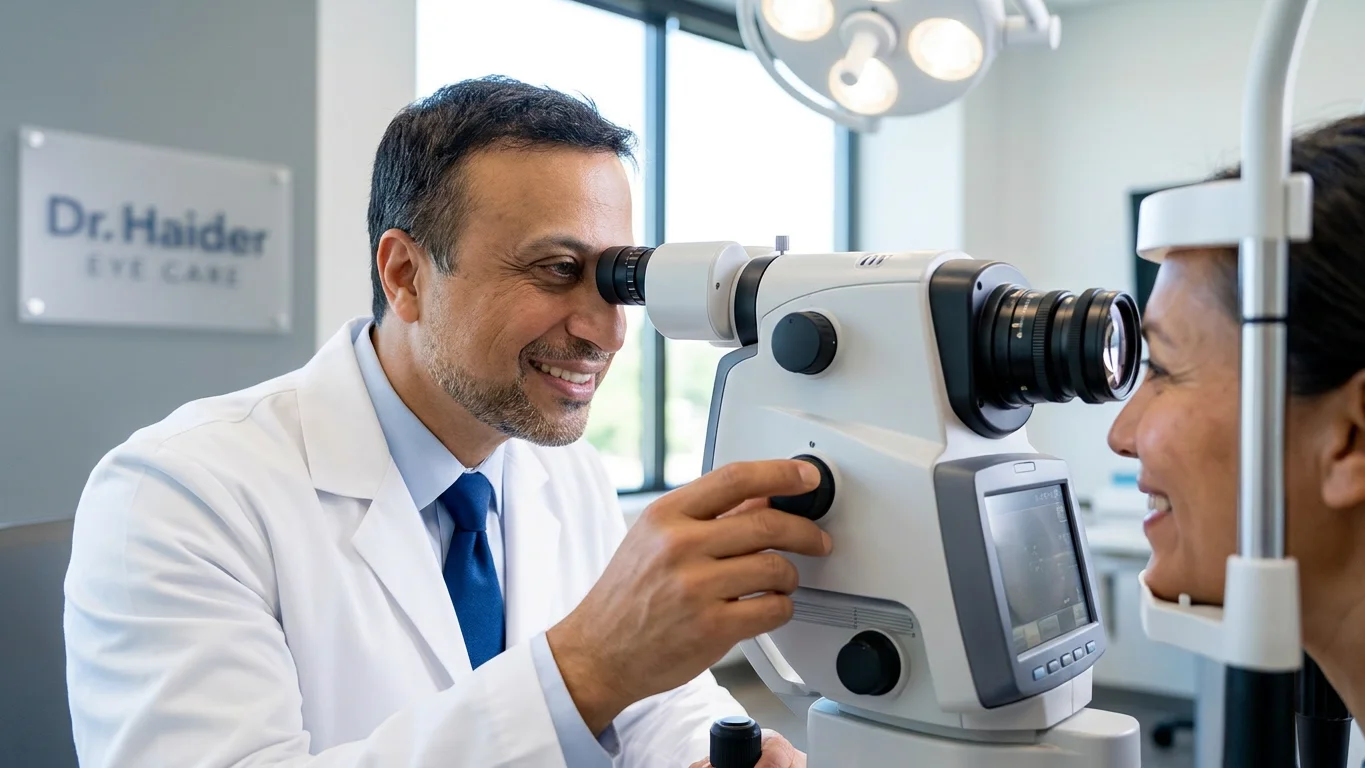
Innovative eye surgery using advanced cataract surgery techniques, skilled ophthalmologist and modern medical equipment in a clinical setting

Scenario: How Advanced Cataract Surgery Techniques Are Revolutionizing Patient Outcomes

Picture this: An older adult, struggling with cloudy vision, can no longer drive safely or enjoy reading. After selecting a tailored artificial lens and undergoing laser cataract surgery in a comfortable, in-office setting, they find their world has opened up again. These real-life transformations are powered by advances like femtosecond laser and innovative intraocular lenses, which make surgery more precise, recovery faster, and vision restoration safer for many patients. Surgeons now rely on imaging, customizable lens selection, and less invasive surgical steps to ensure vision improvement is not just possible — but optimized for every unique patient.

What You’ll Learn About Advanced Cataract Surgery Techniques

  • The differences between traditional and advanced cataract surgery techniques
  • The role of intraocular lenses and artificial lens technology
  • Emerging innovations such as femtosecond laser cataract surgery
  • How to discuss cataract surgery options with your eye care provider
  • Answers to the most frequently asked questions about advanced cataract surgery techniques

What Is Cataract Surgery? An Overview Using Advanced Cataract Surgery Techniques

Cataract surgery is a treatment option that removes your eye’s cloudy lens and replaces it with a clear, artificial lens (known as an intraocular lens, or IOL). The procedure addresses vision problems caused by cataracts, which are typically a natural result of aging, but may also be caused by factors such as injury, diabetes, or long-term use of certain medications. With advanced cataract surgery techniques, patients benefit from smaller incisions, less trauma to surrounding tissue, and choices for lens types that best correct their vision and lifestyle needs.

The latest surgical methods improve both the accuracy and safety of cataract extraction, dramatically reducing recovery time and improving outcomes. During the surgery, after a thorough eye exam, a tiny corneal incision is made, and the cloudy lens is gently removed, typically using high-frequency ultrasound or laser energy. The selected artificial lens is then safely implanted, restoring clarity and correcting additional refractive errors when possible.
Clear, healthy human eye after advanced cataract surgery techniques with sharp vision and clarity

Types of Cataract and Their Impact on Surgery Techniques

Not all cataracts are the same. The three main types of cataract — nuclear, cortical, and posterior subcapsular — each affect different parts of the lens and may demand unique surgical approaches. For instance, a nuclear cataract affects the center of the lens, causing slow vision loss and often needing a specific surgical method, especially in advanced cases. Cortical cataracts, marked by spoke-like opacities at the lens edge, can lead to glare and vision distortion. Posterior subcapsular cataracts form at the back of the lens, causing rapid progression of vision problems like poor night vision or sensitivity to bright lights.

Understanding these variations is crucial because the type, hardness, and location of your cataract determine whether laser cataract surgery, traditional phacoemulsification, or another advanced technique is best suited for your condition. Many patients discover new possibilities when their surgeon tailors the cataract surgery to their unique situation, taking advantage of technological innovations for greater safety and precision.

Why Advanced Cataract Surgery Techniques Offer Better Outcomes

With advanced cataract surgery techniques, you aren’t just removing a cloudy lens; you’re unlocking clearer, more dependable eyesight with fewer complications. These modern procedures provide greater customization and more accurate measurements, ensuring the artificial lens perfectly fits your eye and vision needs. The introduction of femtosecond lasers allows for precise corneal incisions and lens fragmentation, minimizing damage to surrounding tissue and leading to faster visual recovery.

Technological improvements like enhanced imaging during surgery and a wider array of artificial intraocular lens choices mean your outcome can be tailored for optimum distance vision, astigmatism correction, or reading ability. For many patients, these innovations significantly reduce the risk of vision loss, infections, or prolonged recovery time — making advanced cataract surgery a preferred choice among eye care specialists and patients alike.

Comparing Types of Cataract Surgery: Innovations and Options

Understanding the types of cataract surgery is vital when choosing the best option for your eye health. While traditional manual techniques are still safe and effective, innovations in laser systems and technology-driven procedures provide new choices for eligible candidates. Each option offers distinct benefits and occasional limitations based on your specific eye conditions and lifestyle needs. Discussing these differences with your ophthalmologist during your eye exam is essential for an informed decision.

Modern cataract surgery methods often feature minimally invasive incisions, advanced fluid management, and customized artificial lens selection. Whether you opt for a laser-based approach or a more conventional method, understanding the available innovations will empower your next conversation with a cataract specialist.
Comparison of traditional manual cataract surgery and advanced laser cataract surgery techniques in a clinical setting

Traditional vs. Advanced Cataract Surgery Techniques

Traditional cataract surgery (phacoemulsification) involves creating a small corneal incision, then using ultrasound waves to break up and remove the cloudy lens before inserting an artificial lens. This approach has been refined for decades and remains a safe, reliable choice for many. However, advanced laser cataract surgery takes accuracy a step further — using computer-guided femtosecond lasers to make precise incisions and soften the cataract, reducing the risk of complications and improving outcomes.

Other updated surgical methods include micro-incision and extracapsular cataract extraction, both designed to minimize trauma and accelerate healing. With advanced imaging and planning, surgeons are able to predict outcomes more accurately, choose lenses designed specifically for astigmatism (toric) or presbyopia (multifocal), and meet a broader range of patient requirements. Knowing the differences in technique, recovery time, and expected visual results is critical for selecting the best treatment option.

Laser Cataract Surgery: The Role of Femtosecond Laser in Cataract Extraction

One of the most significant developments in recent years has been the introduction of the femtosecond laser. This laser system is designed to automate key surgical steps, such as the corneal incision, capsulotomy (opening the cataract capsule), and lens fragmentation. This added precision means less trauma to the eye, better centering and positioning of the artificial lens, and more predictable healing for many patients.

The femtosecond laser’s computer-guided mapping allows your surgeon to customize every move to the unique shape and health of your eye. By decreasing manual variability, the risk of complications like blurred vision, swelling, or infection is further minimized. For patients considering laser cataract surgery, these innovations represent the future — promising faster, safer, and often more comfortable recoveries.
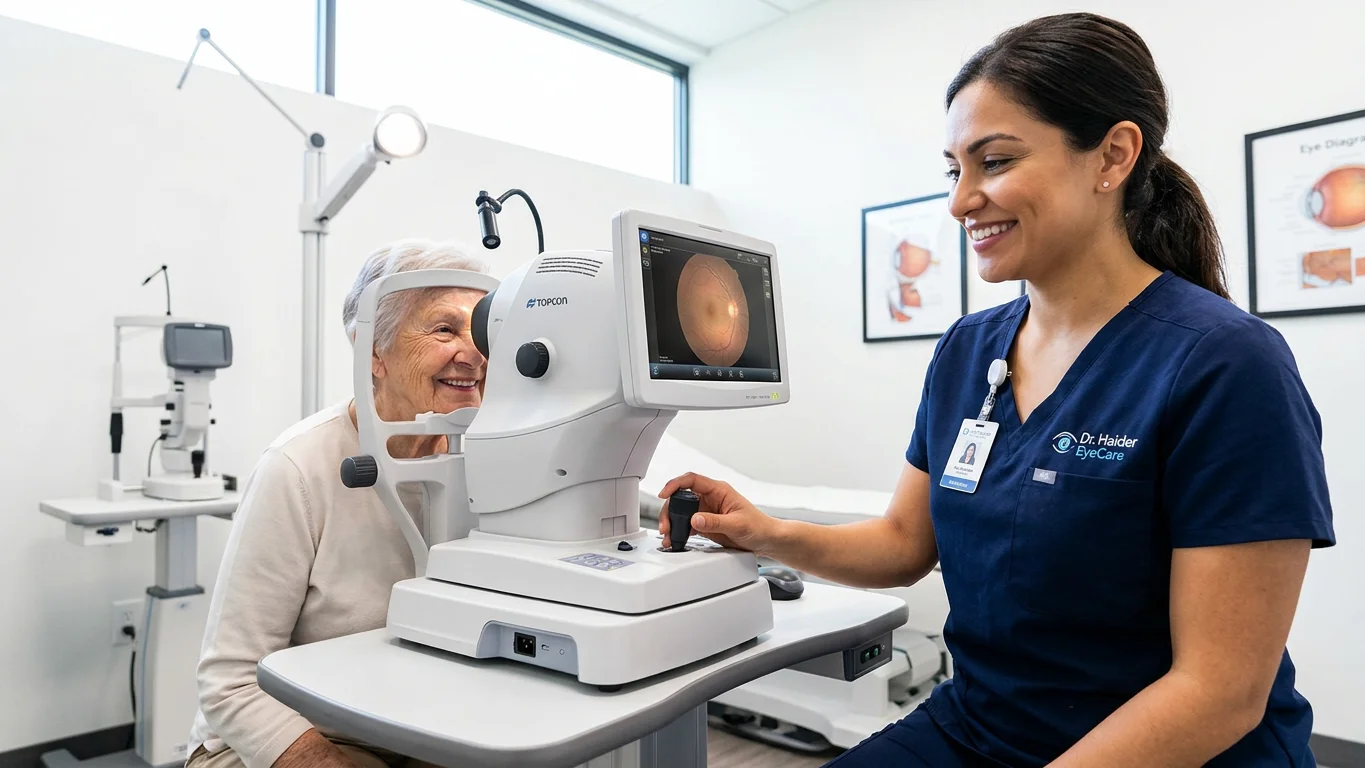
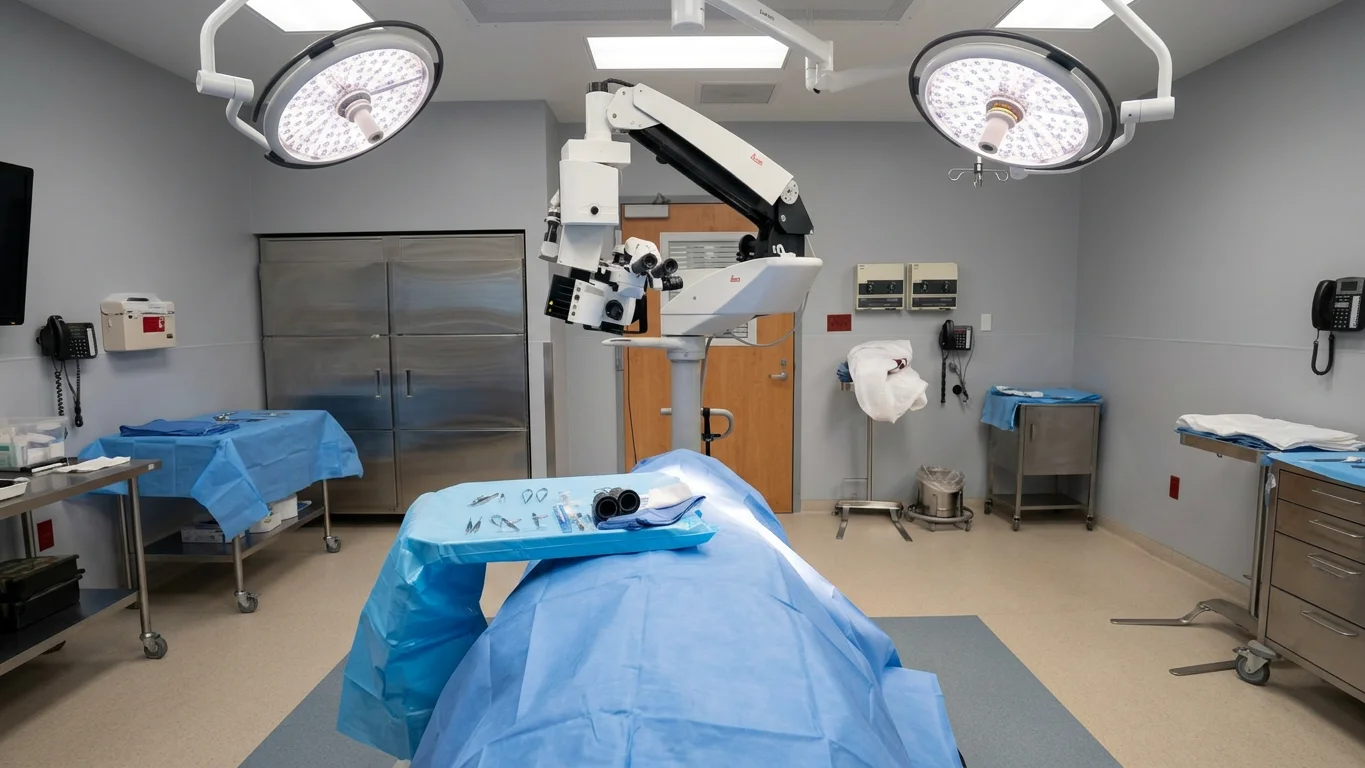
Femtosecond laser equipment used in laser cataract surgery for advanced cataract extraction

Extracapsular Cataract Extraction and Modern Approaches

In cases of very advanced cataracts or patients with harder lenses that can't be easily dissolved with ultrasound or laser, a method called extracapsular cataract extraction (ECCE) might be used. ECCE involves removing the cloudy lens in one piece through a slightly larger incision but leaves the back of the lens capsule intact. This approach can be the best surgical option for certain eye conditions, offering a stable bed for an artificial intraocular lens.

Contemporary ECCE techniques incorporate smaller sutures, improved wound sealing, and even options for artificial lens types to enhance stability and vision outcomes. While less common in routine cases, combining ECCE with other advanced cataract surgery techniques ensures that every patient can receive a safe, effective treatment tailored to their individual needs and eye health status.

Comparison of Advanced Cataract Surgery Techniques: Features and Benefits
Cataract Surgery Technique Main Features Benefits
Traditional Phacoemulsification Small incision, ultrasound lens removal Reliable, widely available, fast recovery time
Laser Cataract Surgery (Femtosecond) Computer-mapped laser guidance, precise incisions Improved accuracy, less trauma, better lens placement
Extracapsular Cataract Extraction (ECCE) Large incision, removal of entire lens in one piece Suitable for advanced/hard cataracts, stable lens support
Micro-Incision Surgery Ultra-small incision, custom lens options Faster healing, minimal astigmatism

Intraocular Lens and Artificial Lens Advances in Advanced Cataract Surgery Techniques

Revolutionary changes in artificial lens technology are enabling patients to regain near-natural vision after cataract extraction. Intraocular lenses (IOLs) are no longer “one-size-fits-all” — they come in a wide range of choices to address distance vision, astigmatism, presbyopia, and even certain eye conditions unique to each patient. Discussing your lifestyle, visual goals, and medical history will help ensure the best match among the modern IOL options available today.

Eye care professionals now offer artificial lenses that reduce dependence on glasses and deliver crisp focus at both near and far distances. These advances mean more freedom for activities like reading, sports, and night driving — all made possible through careful, customized cataract surgery planning.
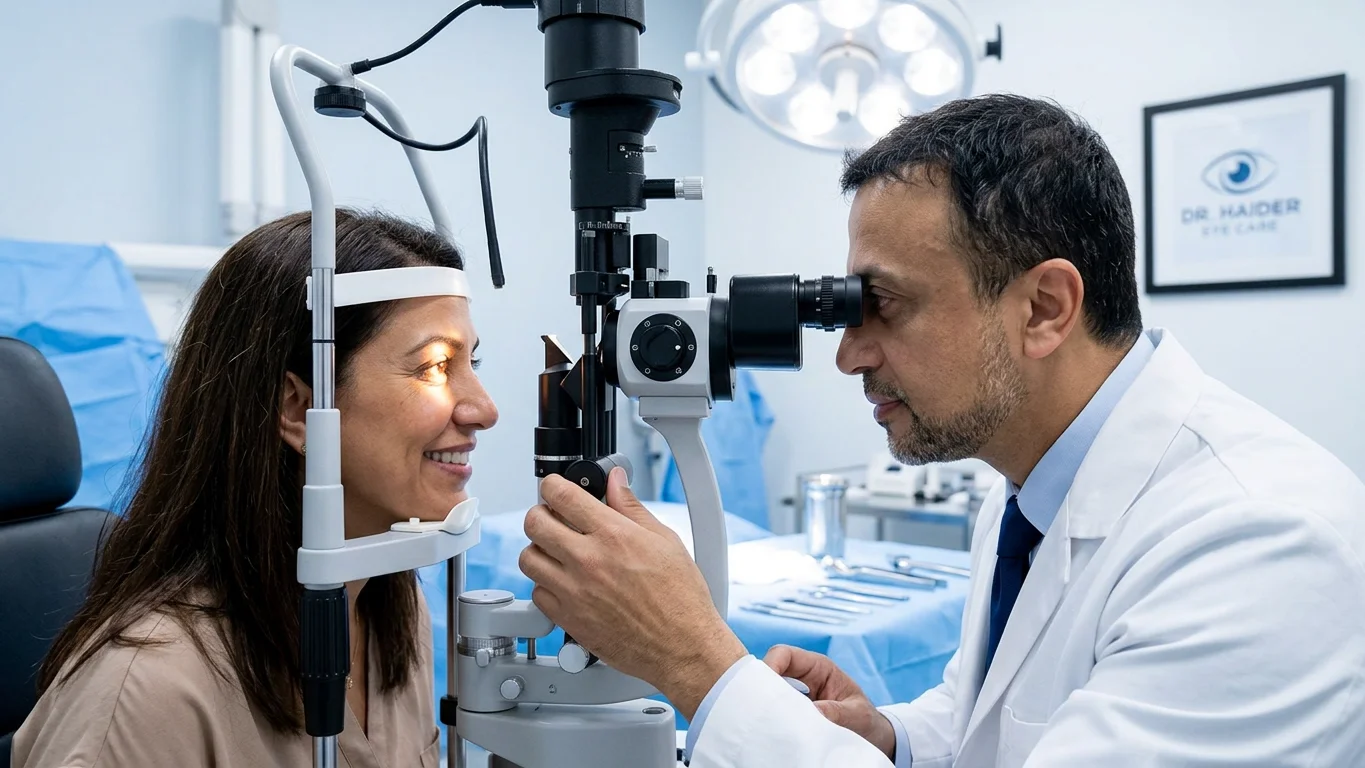
Variety of intraocular lenses for advanced cataract surgery techniques, shown on a sterile tray in an eye clinic

Types of Intraocular Lenses (IOLs): Multifocal, Toric, and Beyond

Modern intraocular lenses fall into several categories, each engineered to solve a specific type of vision problem. Monofocal IOLs provide excellent vision at one distance (usually far), but often require glasses for close work. Multifocal IOLs incorporate zones for both near and distance vision, reducing the need for reading glasses. Toric lenses are specially designed to correct astigmatism, targeting patients with irregular corneal shapes.

Emerging lens designs, such as extended depth-of-focus (EDOF) IOLs, help smooth the transition between distances for even greater visual flexibility. With such variety, many patients are able to reclaim independence from spectacles and enjoy sharper focus in day-to-day life — a dramatic improvement from the basic artificial lens models of the past.

Selecting the Best Artificial Lens for Various Eye Conditions

Choosing the right artificial intraocular lens is a vital step in cataract surgery planning. Eye care specialists conduct a thorough eye exam and discuss your personal goals, lifestyle, and any medical history that could influence your lens choice. For example, some patients prioritize distance vision for driving, while others need improved reading or computer work. If you have specific eye conditions — such as macular degeneration or corneal irregularity — your surgeon may advise a particular lens type or technology to ensure the best surgical outcome.

Open communication with your eye care provider can help balance benefits such as reduced dependence on glasses, improved night vision, and fewer visual disturbances. With advanced intraocular lenses, cataract surgery is no longer just about treatment — it’s an opportunity to optimize how you see your world.

Technological Breakthroughs in Advanced Cataract Surgery Techniques

The last decade has been a time of remarkable innovation in advanced cataract surgery techniques. Technological advances like improved diagnostics, AI-assisted imaging, and laser-guided instrumentation are turning once-complex eye surgeries into safer and more predictable experiences. Automated systems help eye surgeons map every millimeter of the eye, allowing for customized incisions, lens alignment, and faster post-surgical healing.

For patients, this means fewer complications, reduced blurry vision, and visual outcomes that match — or even surpass — glasses and contact lenses in certain cases. These breakthroughs are rewriting the rules in ophthalmology, offering hope and vision restoration to millions.
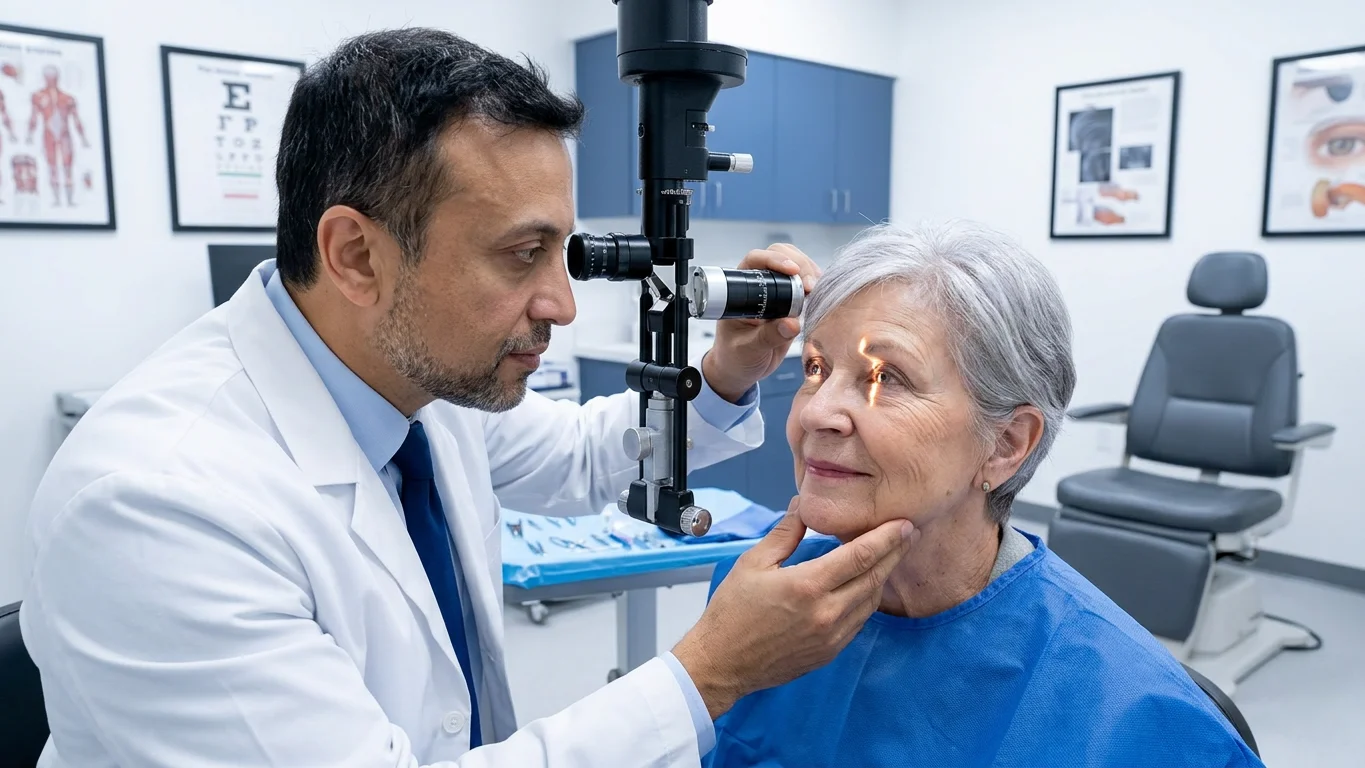
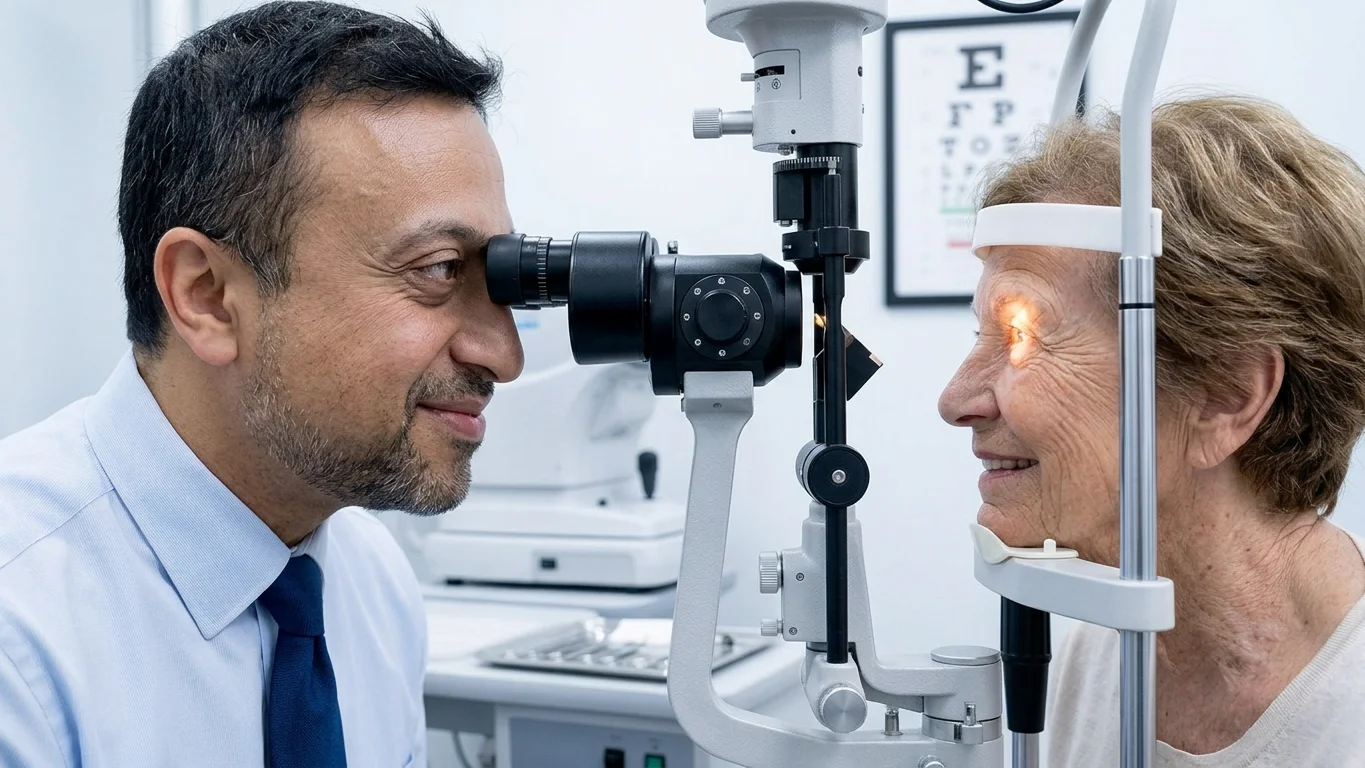
Optometrist using advanced optical imaging technology for custom planning of advanced cataract surgery techniques

The Rise of Laser Cataract Surgery and Its Advantages

Computer-assisted laser cataract surgery — especially using femtosecond lasers — offers major advances over manual procedures. This approach improves precision in every critical phase: from the corneal incision to cataract fragmentation and even positioning the artificial lens. As a result, many patients experience less discomfort during the procedure and a faster return to daily activities during recovery time.

Surgeons have greater control and can customize their approach based on individual eye conditions, improving outcomes for both routine and complex cases. Reduced surgical time, improved safety, and less trauma to surrounding tissue are all key reasons this technology is now considered a gold standard in modern eye care.

Role of Eye Exams in Customizing Advanced Cataract Surgery Techniques

A thorough eye exam is essential in determining the most effective advanced cataract surgery technique for every patient. Using high-resolution imaging, corneal topography, and precise measurements of the eye’s shape and depth, your surgeon builds a roadmap for surgery that is fully customized to your needs. This pre-operative process is also when any underlying eye conditions — such as glaucoma, macular degeneration, or dry eye — are identified, ensuring the safest and most effective surgical plan.

With this tailored approach, surgeons can select the right artificial lens, plan the smallest possible incisions, and minimize risks. The result: a surgical procedure that delivers clearer, more reliable visual outcomes and greater patient satisfaction.

AI and Imaging Technologies: Shaping the Future of Cataract Surgery

Artificial intelligence (AI) and imaging software are propelling advanced cataract surgery techniques into a new era. Today’s operating rooms are equipped with AI-driven diagnostics that analyze pre- and intra-operative data in real time. This technology enables finer surgical margins, detects potential complications before they arise, and helps ensure the correct positioning of intraocular lenses.

AI visualization also supports surgical training and education, improving best practices and reducing learning curves for eye surgeons. As new innovations emerge — from robotic assistance to predictive surgical analytics — the future holds exciting promise for those seeking freedom from cloudy lenses and vision loss.

"Advanced cataract surgery techniques offer patients a clearer, safer, and more customized vision restoration experience than ever before," says Dr. Lee, Ophthalmic Surgeon.

Preparing for Advanced Cataract Surgery Techniques: What Every Patient Should Know

Preparation is the foundation of successful cataract surgery. Patients benefit most from an educational, supportive process that includes in-depth assessments, honest conversations about expectations, and clear instructions to minimize anxiety before surgery day. Choosing a skilled, experienced surgeon further increases your chances of outstanding results and a smoother recovery.

From your first eye exam to postoperative follow-up, knowing what to expect—and what steps you can take to prepare—makes the experience more comfortable and reduces stress for you and your loved ones.

Pre-Surgery Eye Exam and Assessments

Before you schedule surgery, your eye care specialist will perform a comprehensive eye exam. This includes checking the overall health of your eyes, measuring intraocular pressure, mapping the cornea, and evaluating retina health. These detailed assessments help your surgeon select the best artificial lens, surgical method, and even anesthetic plan for your procedure. They also screen for underlying conditions (like dry eye, macular degeneration, or glaucoma) that could influence outcomes or require special care.

Patients should bring a complete list of medications, as certain drugs (such as blood thinners) may need adjustments before surgery. Openly discussing your expectations and lifestyle needs allows the medical team to tailor the procedure for maximum benefit.
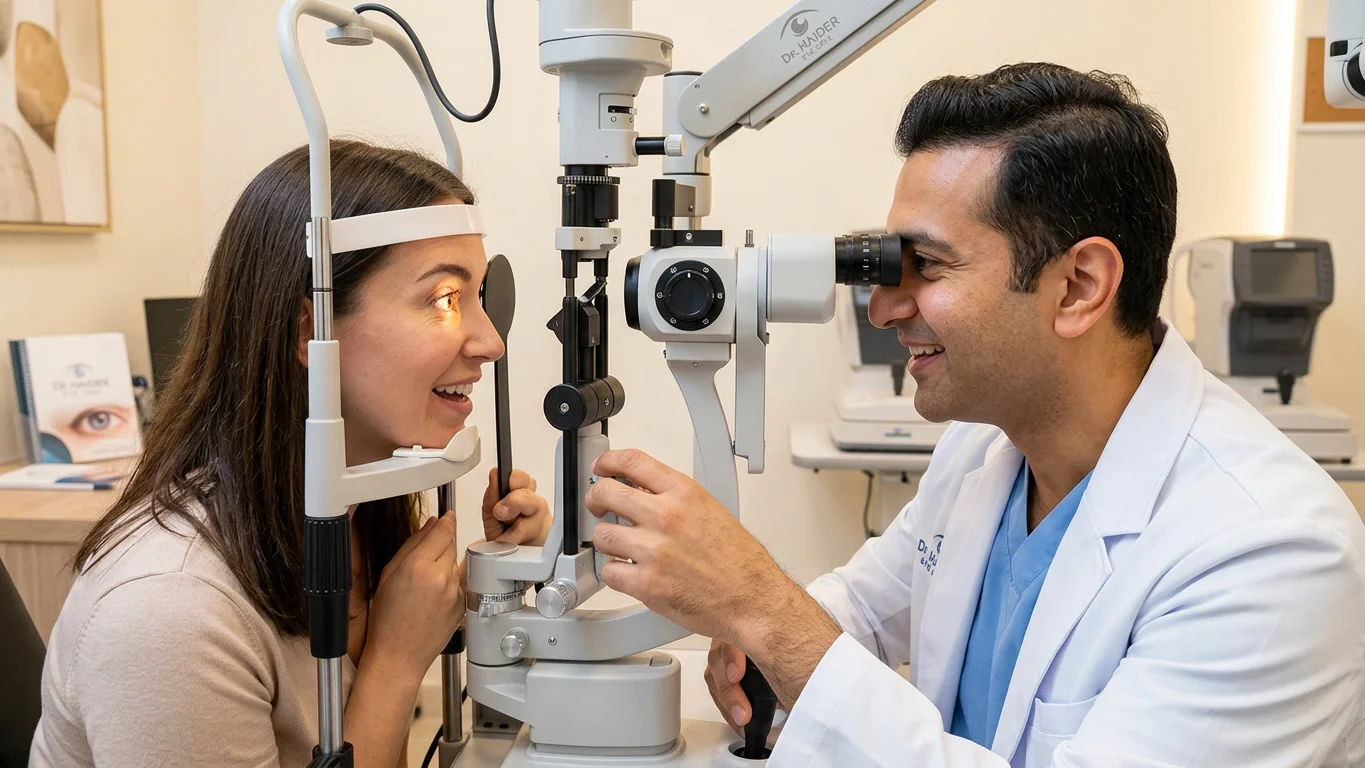
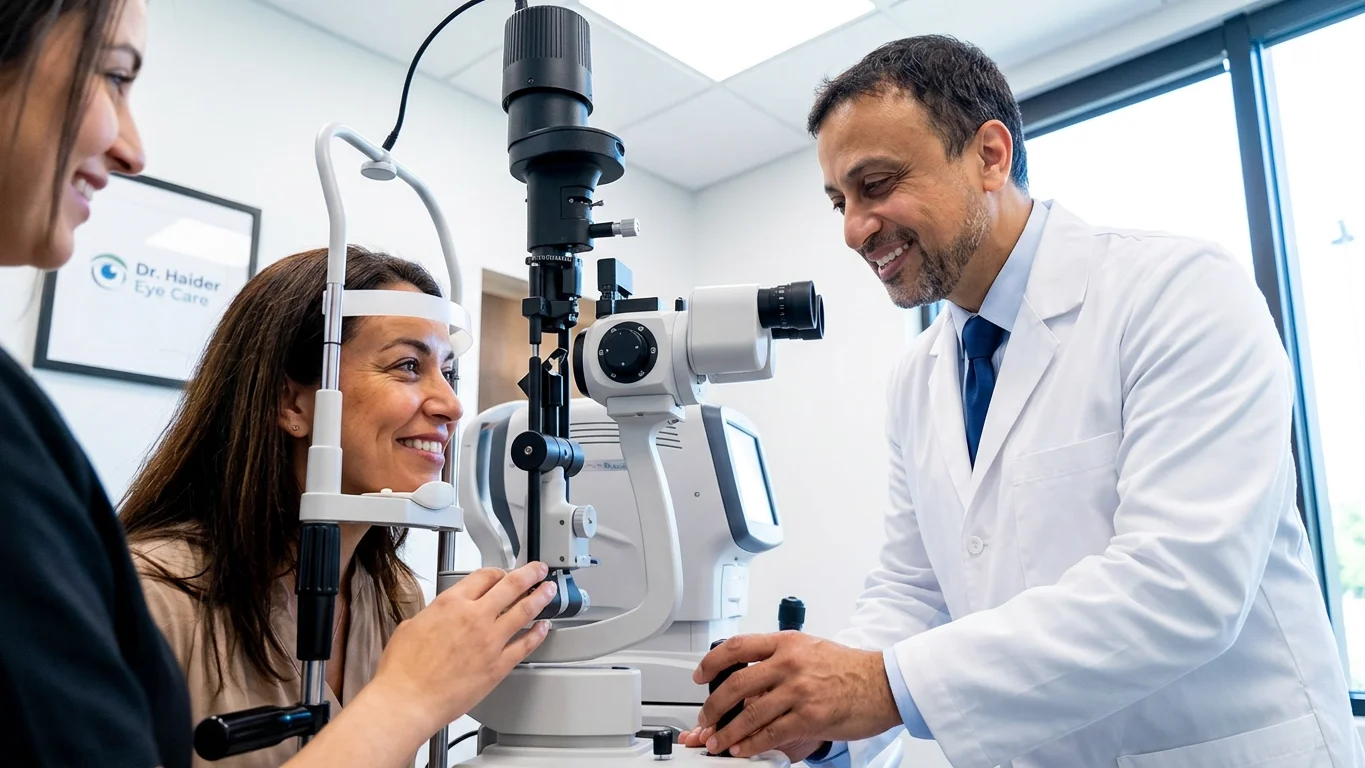
Ophthalmologist consulting a patient about advanced cataract surgery techniques in clinic

Discussing Types of Cataract Surgery with Your Surgeon

The consultation phase is your opportunity to ask detailed questions about the types of cataract surgery available. Your eye care provider will explain the pros and cons of traditional phacoemulsification, laser cataract surgery, and other advanced methods such as micro-incision or ECCE. Ask about the artificial lens options that address your unique eye conditions, whether correction for astigmatism or presbyopia is needed, and what your surgeon recommends for long-term eye health.

Review your medical history, discuss any prior vision problems, and clarify what results are realistic — including how soon you can return to your favorite activities. A collaborative approach ensures your surgical method and artificial lens are truly matched to your individual goals.

Benefits of In-Office Cataract Surgery for Suitable Patients

Many patients now have the option to undergo cataract surgery in a comfortable, outpatient or in-office setting. This treatment option is ideal for those in good general health, requiring less hospitalization time and providing a more personalized experience. In-office cataract surgery often allows for faster scheduling, a calming environment, and shorter recovery time compared to hospital-based procedures.

Discuss with your surgeon whether you are a candidate for in-office surgery and what special support or family arrangements may be needed on the day of your procedure.

  • Questions to Ask Your Ophthalmologist
    • Which surgical method and artificial lens do you recommend for my eyes?
    • What are the risks and benefits of advanced cataract surgery techniques?
    • How long will my recovery time be and what restrictions should I expect?
    • How do you address unforeseen complications or unique eye conditions?
  • How to Prepare Before Surgery Day
    • Arrange for transportation and support at home post-surgery
    • Follow all eye drop and medication instructions from your doctor
    • Discuss any changes to medication or diet
    • Wear comfortable clothing and avoid makeup or lotions on the day of surgery

The Patient Experience: From Cataract Extraction to Postoperative Recovery

The prospect of eye surgery can feel overwhelming, but understanding every step — from cataract extraction to return of clear vision — reduces uncertainty and builds confidence. Surgeons and support staff explain the entire process in advance, answer questions, and provide detailed aftercare guidance to ensure a smooth recovery.

It’s normal to feel apprehensive, but modern advanced cataract surgery techniques are designed to be as comfortable and efficient as possible, blending reassuring care with world-class technology.

What to Expect During Advanced Cataract Surgery Techniques

On procedure day, the surgical team numbs your eye with special drops and ensures you are relaxed and comfortable. The actual operation typically takes less than 30 minutes per eye and uses state-of-the-art equipment for maximum precision. Once the cloudy lens is gently removed, the artificial lens is expertly implanted, immediately restoring the pathway for light and sharp focus.

Most patients experience little to no pain due to local anesthesia, and you remain awake but relaxed throughout. After a brief observation period, you are discharged home with a clear shield over the treated eye and complete instructions for postoperative care.
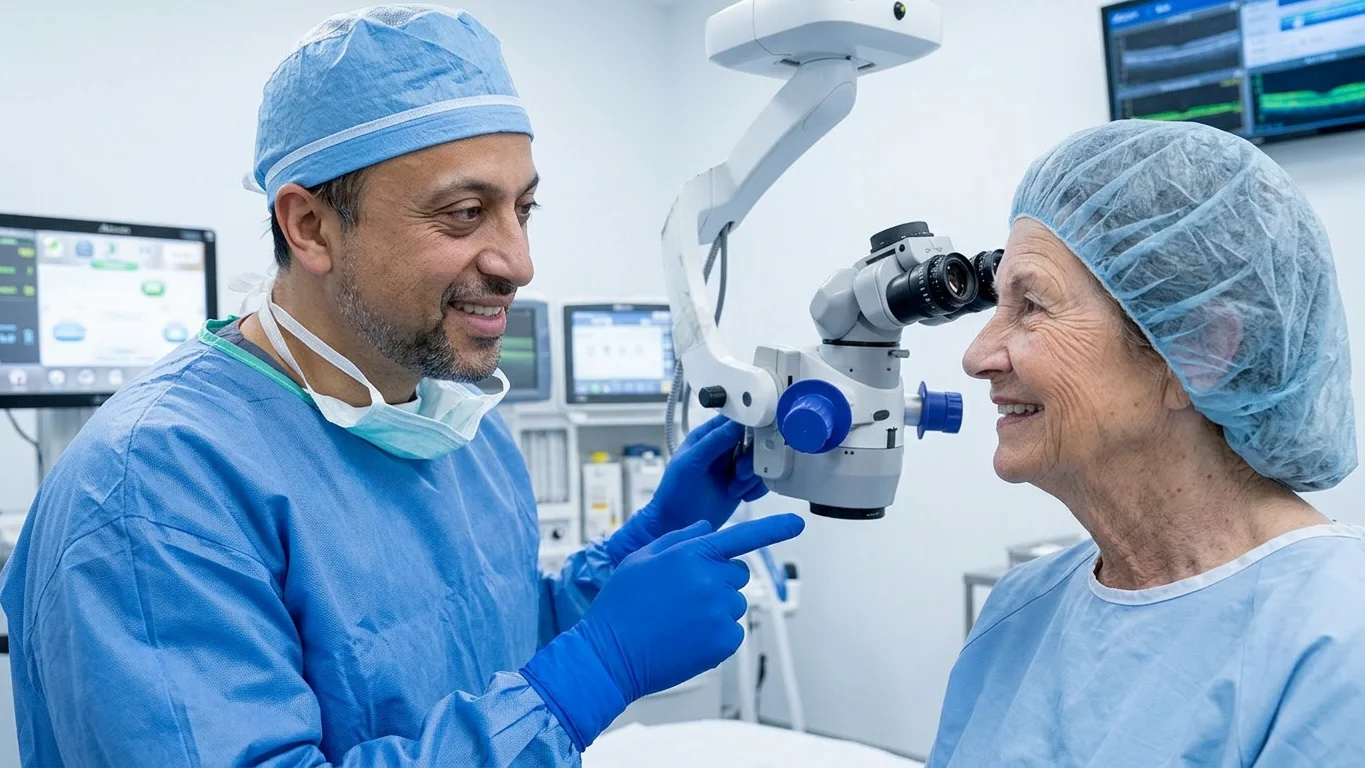
Relaxed patient recovering after advanced cataract surgery techniques, wearing an eye shield and resting comfortably

Recovery Timeline and Postoperative Care

Recovery after advanced cataract surgery techniques is generally quick, with most patients noticing clearer vision within a day or two. You'll be prescribed eye drops to prevent infection and reduce inflammation, along with specific instructions to avoid heavy lifting, bending, or rubbing your eye for at least a week. Protective eye shields are worn during sleep and naps to safeguard the healing eye.

Regular follow-up visits and eye exams help your surgeon monitor progress and quickly address any unexpected symptoms. Most people can resume gentle daily activities the day after surgery, with full recovery — including final lens adjustments — occurring over several weeks. Your doctor will customize your aftercare plan for the best outcome based on your original eye conditions and surgical method.

Managing Complications and Ensuring Best Outcomes

Complications are rare, but your doctor will discuss signs to watch for: severe pain, persistent blurry vision, redness, or light sensitivity beyond the expected period. Immediate medical attention helps prevent more serious vision loss. By following instructions regarding medications, protective eyewear, and avoiding strenuous activity, most patients experience smooth healing and robust improvement in sight.

In some cases, patients may develop an after-cataract (secondary clouding of the lens capsule), which is easily treated with a painless, in-office laser procedure. Ongoing communication with your eye care team ensures your satisfaction and safety at every step.

Answering the Top Patient Questions on Advanced Cataract Surgery Techniques

What is the newest method of cataract surgery?

The newest method is femtosecond laser cataract surgery, which uses a computer-guided laser to automate and refine key surgical steps. This technology reduces manual variability, improves safety, and creates more precise corneal incisions for enhanced healing. Alongside advances in artificial lens technology and imaging, it represents the leading edge of advanced cataract surgery techniques.

Answer: Explore femtosecond laser cataract surgery and other current breakthroughs in advanced cataract surgery techniques.

Femtosecond laser, combined with AI-based diagnostics and premium intraocular lenses, forms the backbone of current breakthroughs. These technologies allow surgeons to predict surgical outcomes, choose highly customized artificial lenses, and support rapid recovery for a wide range of patients struggling with vision loss.

What is the most advanced type of cataract surgery?

The consensus among eye care professionals is that laser cataract surgery using femtosecond laser, together with state-of-the-art intraocular lenses (such as multifocal and toric models), is the most advanced. This combination harnesses both precision and customization, offering patients less trauma, fewer complications, and the broadest restoration of clear vision.

Answer: Discuss why laser cataract surgery and innovative intraocular lens solutions are considered the most advanced cataract surgery techniques.

Laser cataract surgery’s computer-mapped precision, coupled with premium lens options, delivers results that were previously unattainable. By reducing reliance on manual techniques, innovative solutions such as AI imaging and sophisticated artificial lens models make advanced cataract surgery techniques the gold standard for modern vision care.

What is the new cataract treatment for 2026?

While traditional and laser-assisted surgery remain leading options today, clinical trials and research are ongoing in technologies like “adjustable light-responsive IOLs” and further AI integration in surgical planning. These treatments, expected to become more widely available by 2026, focus on “fine-tuning” vision after surgery and enabling further customization of artificial lenses post-implantation.

Answer: Preview upcoming innovations and clinical trials in advanced cataract surgery techniques that may change patient care by 2026.

By 2026, anticipated innovations may include smart, light-adjustable lenses, robotic-assisted cataract extraction, and noninvasive vision correction for some cataract types. These breakthroughs promise another leap forward in patient outcomes, recovery time, and the broad applicability of advanced cataract surgery techniques. Always consult your specialist about the latest research and eligibility.

What is the most preferred technique for cataract surgery?

The most preferred technique depends on the patient and their unique eye conditions. For many, femtosecond laser cataract surgery is favored due to its predictable outcomes and reduced recovery time. Experienced surgeons may still employ traditional methods for straightforward cases, while complex eyes may benefit from a hybrid or custom approach combining several techniques.

Answer: Compare the popularity of advanced cataract surgery techniques among surgeons and patients, referencing clinical expertise.

Surveys indicate that laser-assisted procedures are growing in popularity among both surgeons and patients due to their safety profile and enhanced precision. However, each person’s anatomy and health must guide the choice — this underscores the importance of close, honest consultation with a qualified eye surgeon before selecting a surgical method.

Key Considerations in Choosing Advanced Cataract Surgery Techniques

Every patient is unique, and so is their journey to better vision. Making the right choice involves weighing personal goals, lifestyle needs, medical considerations, and the advantages and limitations of each advanced cataract surgery technique. It’s critical to work with an eye care team experienced in the full range of modern options and who put your safety, comfort, and preferences first.

Take time to ask questions, review your surgeon’s track record, and discuss how your specific eye conditions, visual demands, and overall health influence lens and procedure selection. Quality care begins with an informed patient and a knowledgeable care team.
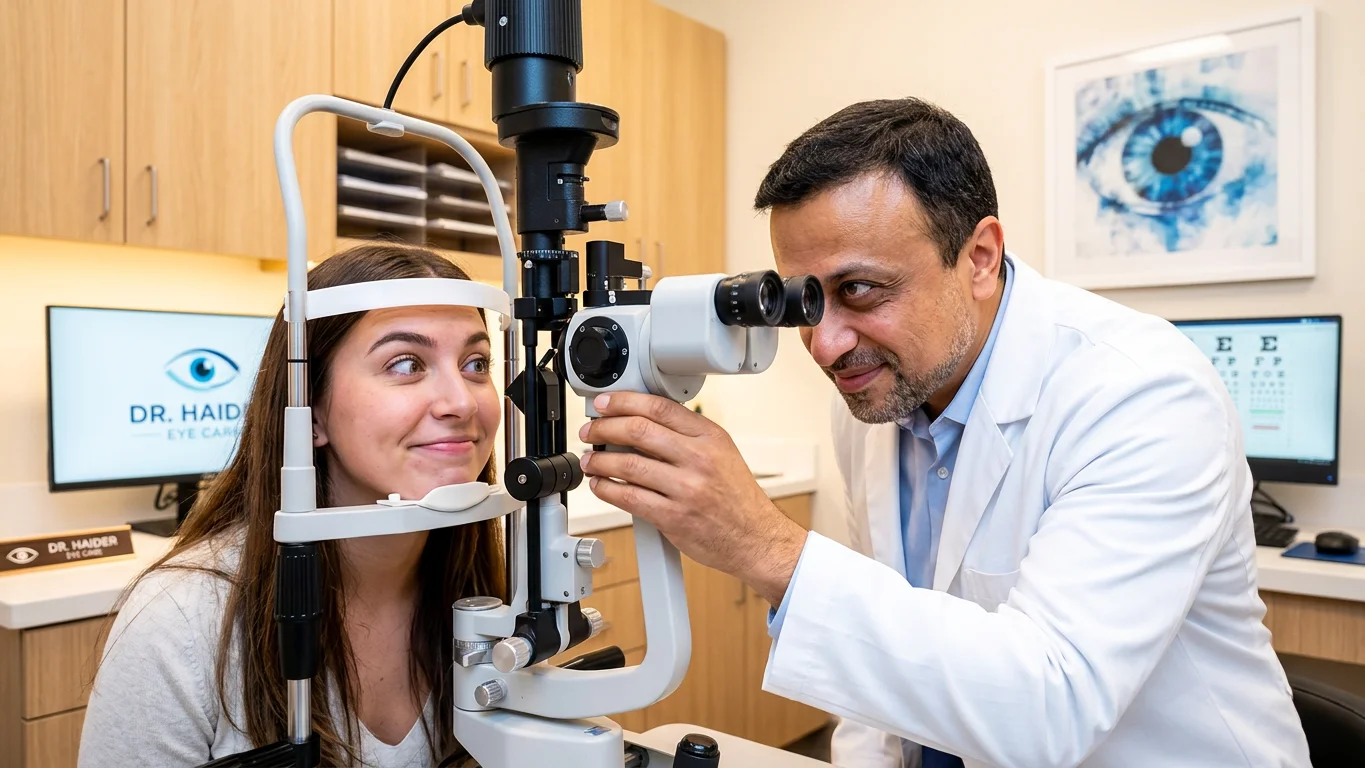
Patient considering options for advanced cataract surgery techniques with a family member
  • Personalized factors affecting choice: Eye conditions, lifestyle, and medical history
  • Benefits and limitations of different advanced cataract surgery techniques
  • Importance of consultation with experienced eye care providers
Checklist for Discussing Advanced Cataract Surgery Techniques with Your Doctor
✔ Confirm your surgeon’s experience with laser cataract surgery and artificial lens options
✔ Discuss all current eye conditions and pre-existing health issues
✔ Ask about the benefits, side effects, and expected recovery time for each surgical method
✔ Consider how your daily activities will be affected by each option
✔ Review postop care and what to expect after surgery

Frequently Asked Questions About Advanced Cataract Surgery Techniques

Patients waiting for cataract surgery consultation in a modern eye clinic
  • How long does the recovery process typically take after advanced cataract surgery techniques?
    Most patients notice visual improvement within 24–48 hours. Complete healing and stabilization of the new lens may take several weeks. Following your surgeon’s instructions for eye drops and physical activity is key to quick, complication-free recovery, so you can safely return to daily routines.
  • Are there risks associated with different types of advanced cataract surgery techniques?
    While modern surgeries are safer than ever, risks like infection, swelling, or secondary cloudy lens can occur. Your doctor will explain how each surgical method addresses these and how complications are managed should they arise.
  • How do I know if I am a candidate for the latest advanced cataract surgery techniques?
    Eligibility is determined by your eye health, vision needs, and overall medical history. A thorough eye exam and discussion of your specific goals helps your provider recommend whether advanced laser, premium lens implants, or a traditional technique is best for you.
  • What improvements can I expect in my vision post-surgery?
    Depending on the chosen lens and procedure, most patients regain sharper, brighter vision and decreased dependence on glasses. Many notice dramatic improvements in distance vision, reading ability, and night driving, enjoying a more vivid, active life after cataract surgery.

Key Takeaways for Patients Considering Advanced Cataract Surgery Techniques

  • Advanced cataract surgery techniques provide safer, more predictable outcomes
  • Innovative intraocular lenses can address a range of vision needs
  • Consult with a specialist to find the best advanced cataract surgery technique for your needs

Start Your Journey to Better Vision with Advanced Cataract Surgery Techniques

Speak with your ophthalmic specialist to see if advanced cataract surgery techniques are right for you

A clear, colorful, and confident future is within reach. With today’s advanced cataract surgery techniques, you have more options and better outcomes than ever before. Consult a trusted eye surgeon, discuss your individual needs, and take the next steps toward restoring your best possible vision.

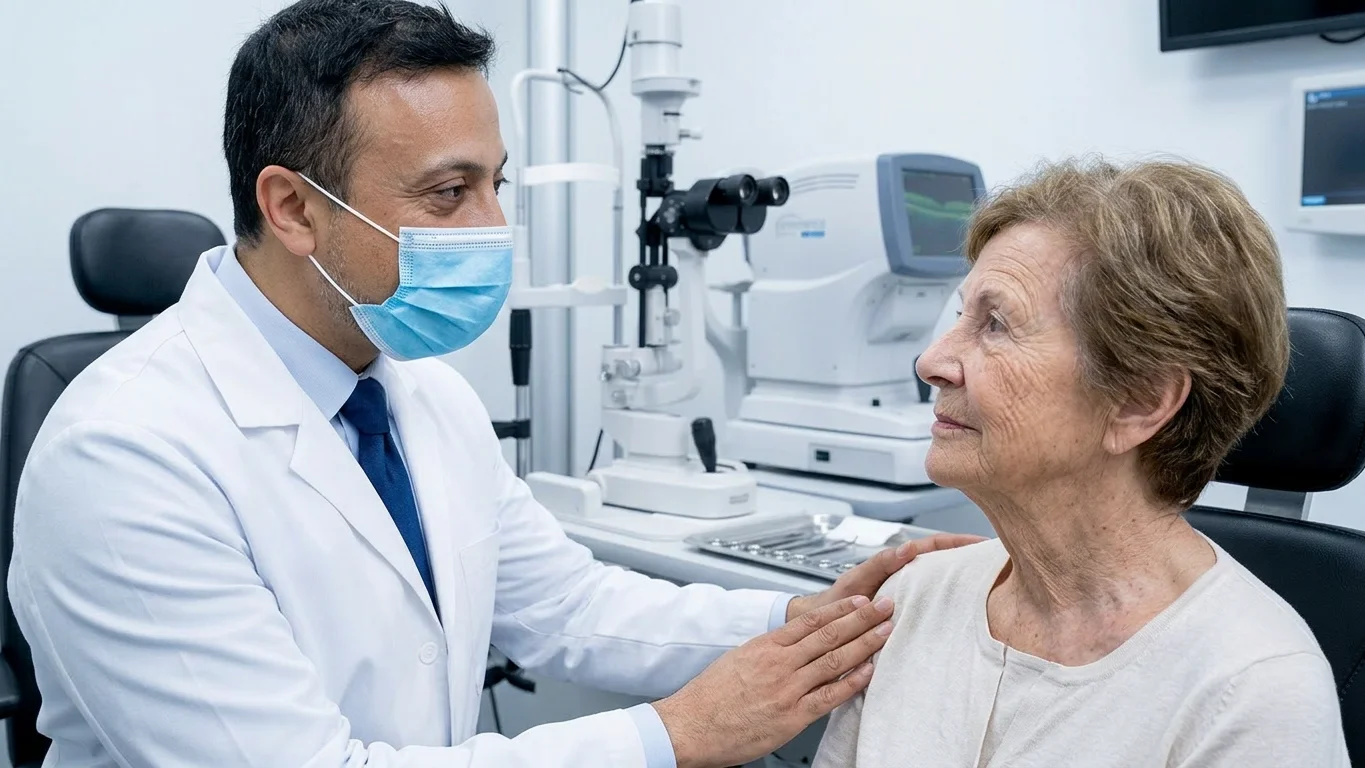
Cataracts

14 Views

Write A Comment

*
*
Please complete the captcha to submit your comment.
Related Posts All Posts
09.27.2026

Discover How Cataract Surgery Technology Is Revolutionizing Vision

Imagine seeing the world through a fogged-up window turned sparkling clear in an instant—that’s the life-changing promise of modern cataract surgery technology. Today’s advancements are making eye procedures more precise, gentle, and focused on you, the patient. If you’re considering cataract surgery or simply want to understand how this field is transforming lives, this comprehensive guide will walk you through the evolving innovations and patient experiences that now define the standard of care for restoring sight. Transforming Vision: The Role of Cataract Surgery Technology in Modern Eye Procedures Learn how advancements in cataract surgery technology are enhancing patient outcomes. The evolution of cataract surgery technology has dramatically elevated the standard for eye procedures. Modern techniques like femtosecond laser-assisted cataract surgery (FLACS) and premium intraocular lens (IOL) implants are redefining what it means to undergo cataract surgery, prioritizing safety, accuracy, and rapid vision recovery. Compared to traditional cataract extraction methods, today's procedures minimize surgical trauma and endothelial cell loss, making the experience safer and outcomes more predictable. Whether you need to treat white cataracts or pursue refractive cataract surgery for better vision without glasses, technology is on your side. With breakthroughs such as high-resolution imaging and digital customization of treatment, ophthalmologists can tailor every step to the patient’s unique eye anatomy and individual needs. The result is not just improved visual acuity but also reduced discomfort and faster return to daily life. Eye procedures now offer solutions that weren’t possible even a decade ago, including the use of premium IOLs—multifocal, toric, and accommodating lenses—to address various vision needs. These innovations make cataract surgery an advanced, patient-centered journey. What You'll Learn from This Guide to Cataract Surgery Technology The evolution of cataract surgery technology and eye procedures Key innovations like femtosecond lasers and advanced intraocular lenses Patient-centric benefits and improved surgical experiences Frequently asked questions related to cataract surgeries This guide demystifies the technologies and techniques behind today’s cataract surgeries, from the moment you step into a clinic to the joy of sharper vision afterwards. You’ll see how decades of research and gradual improvements—such as femtosecond lasers and innovative IOLs—have made these eye procedures safer, quicker, and more reliable. You’ll also discover what sets modern methods apart, how they impact developing countries, and the real-world results for patients like you. Whether you’re researching for yourself or a loved one, this guide will equip you to ask the right questions at your next consultation and empower you to make the best decisions alongside your eye surgeon. Read on to explore how cataract surgery technology is reshaping vision care worldwide. Understanding Cataract Surgery Technology: A Foundation for Better Sight Cataracts develop when the eye’s natural lens becomes cloudy, often due to changes in lentic proteins from age or other factors. The core of cataract surgery involves carefully removing this cloudy lens and replacing it with a clear intraocular lens implant, restoring visual acuity and quality of life. Over time, technology has advanced from intracapsular and extracapsular cataract extraction, which involved large incisions and longer recovery, to small incision cataract surgery with precision — all made possible by tools like the femtosecond laser. These advancements have addressed major concerns in cataract procedures, such as minimizing endothelial cell loss and surgical trauma, reducing risks like posterior capsule opacification, and tailoring surgeries for patients in developing countries. With high-tech digital imaging, ophthalmologists map out each step to ensure lens placement is exact and visual outcomes are optimized. The science behind today’s procedures ensures that every eye procedure is as minimally invasive, patient-focused, and effective as possible. Why Cataract Surgery Technology Matters for Today’s Eye Procedures Today’s cataract surgery technology does more than restore vision; it sets a new standard for safety and patient satisfaction in all types of eye procedures. With every advance in surgical protocols and digital planning, patients benefit from reduced operative risks, fewer complications (such as posterior capsule rupture), and shortened recovery times. This matters even more for those with pre-existing eye health challenges or unique anatomical considerations. In fact, technology has expanded access to safe and effective cataract extraction worldwide, even aiding those in developing countries who were previously underserved. The use of premium IOLs—such as multifocal IOLs for seeing at multiple distances or toric IOLs for astigmatism—means that vision after surgery can often surpass pre-cataract levels. Advanced tools, from femtosecond lasers to high-definition imaging systems, create a customizable experience tailored to individual visual needs and lifestyles. Comparing Traditional vs. Modern Cataract Surgery Technology Aspect Traditional Cataract Surgery Modern Cataract Surgery Technology Incision Size Large (6-12mm) Small, precise (2-3mm via femtosecond laser) Lens Removal Method Manual extraction (intracapsular/extracapsular) Ultrasound & laser fragmentation Lens Implant Monofocal IOLs only Premium IOLs (multifocal, toric, accommodating) Recovery Time Weeks to months Days to weeks, faster vision recovery Accuracy Dependent on surgeon’s hand Enhanced by digital imaging & femtosecond lasers Risk of Complications Higher (endothelial cell loss, capsule rupture) Minimized through advanced monitoring & technology The Latest Advancements: How Femtosecond Laser Technology Elevates Cataract Surgery One of the most remarkable developments in cataract surgery technology is the use of femtosecond laser systems. These high-precision lasers automate key steps in cataract extraction, replacing some manual incisions and maneuvers with computer-guided energy pulses. As a result, procedures are gentler on the eye, leading to reduced trauma and more predictable healing. For those considering an eye procedure, this technology means less discomfort and dramatically reduced variability in outcomes. FLACS may also offer tangible benefits for patients with complex cases, such as white cataracts or a history of endothelial cell loss, by minimizing intraoperative stress to delicate eye tissue. The adoption of femtosecond lasers in eye procedures has further closed the gap between surgical planning and real-time execution, allowing customization of incision size, shape, and placement. As technology improves, the promise of even safer, smoother surgeries becomes standard around the world. How Femtosecond Laser Improves Precision in Eye Procedures The femtosecond laser is a game-changer for cataract surgery. With sub-micron accuracy, it creates perfectly shaped incisions and assists in lens fragmentation, allowing for seamless cataract extraction. This reduces the risk of posterior capsule opacification and surgical trauma compared to manual techniques. In addition, the computer’s precision helps safeguard the eye’s vital structures, such as the cornea and endothelial cells, ensuring minimal cell loss and faster vision recovery. This technology also streamlines the placement of intraocular lenses, achieving perfect alignment for premium and multifocal IOLs. For patients, it means fewer complications, a lower risk of needing glasses post-surgery, and a smooth overall experience during their eye procedure. The integration of femtosecond lasers within surgical suites exemplifies the synergy between human expertise and robotic accuracy—an approach that is becoming the gold standard for leading eye procedures. Intraocular Lens Innovation: The Next Level of Cataract Surgery Technology Vision historically relied on monofocal IOLs after cataract extraction, providing clear sight at a single focal point. Today, advanced intraocular lens technology caters to multiple distances and individual needs, offering solutions like multifocal IOLs, accommodating IOLs, and toric IOLs for astigmatism. Each option is designed to address specific vision requirements—whether for reading, distance, or both—allowing many to enjoy life without glasses after their eye procedure. Modern premium IOLs are made from cutting-edge materials that replicate the flexibility and clarity of the natural lens. Surgeons select these lenses based on digital imaging and detailed pre-surgical mapping, ensuring the right match for every patient. Innovations such as SMART IOLs, with adjustable or programmable correction capabilities, further expand the possibilities for customized vision outcomes after cataract surgery. Understanding Intraocular Lenses and Their Role in Enhancing Vision Types of intraocular lens (IOL) options How IOLs work in cataract surgery Customization and visual benefits IOLs are more than artificial lenses; they are the heart of vision restoration during cataract surgery. Monofocal IOLs correct vision at one distance, multifocal IOLs provide both near and far clarity, and toric variants correct astigmatism. With careful preoperative assessments, surgeons recommend the ideal lens to suit individual needs and lifestyles. Because of the incredible biocompatibility and precision of these lenses, most patients achieve excellent visual acuity and can resume normal life quickly after their eye procedure. Innovation continues to drive intraocular lens development. Some of the latest lenses are built to reduce glare, filter harmful blue light, and adapt over time to changes in vision, which can improve long-term satisfaction and comfort. These customizable implants are transforming what’s possible after cataract extraction—offering more patients the opportunity for sharp, lasting vision. Step-by-Step: The Patient Journey Through Modern Cataract Surgery Technology Pre-surgery assessments Use of advanced imaging Femtosecond laser application IOL placement Recovery and follow-up The patient experience starts with comprehensive eye assessments using high-definition imaging to map eye anatomy and diagnose visual needs. Customized planning uses this data to select the best surgical approach and lens type. On the day of surgery, the femtosecond laser performs the initial incisions and lens fragmentation, minimizing risks compared to manual methods. Surgeons then remove the old lens and implant the chosen intraocular lens with precise alignment, often benefiting from digital guidance and live imaging. After surgery, rapid vision recovery is expected, with patients commonly experiencing improved visual acuity within days. Follow-up visits ensure proper healing and that any lingering concerns, such as mild visual disturbances, are addressed quickly. Recovery protocols, including gentle eye drops and monitoring for rare complications such as posterior capsule opacification, further promote patient safety and comfort throughout the entire eye procedure journey. Watch: Walkthrough of a Typical Cataract Surgery Eye Procedure with Advanced Technology Patient Benefits: Faster Recovery and Better Outcomes from Advanced Cataract Surgery Technology Reduced discomfort Improved vision outcomes Shorter recovery time More predictable results The shift to high-tech cataract surgery technology directly translates to a more comfortable and confidence-inspiring experience for patients. The use of femtosecond lasers, digital planning, and custom IOLs reduces operative time, tissue trauma, and the need for additional corrective procedures. Patients routinely report clearer vision, fewer complications, and the ability to return quickly to reading, driving, and enjoying life—often without glasses. For those in developing countries or with challenging medical histories, this approach may be the safest and most effective way to treat cataracts. Shortened downtime is one of the standout benefits, making the procedure accessible for active, busy individuals. Enhanced predictability ensures that results align with expectations and delivers long-lasting satisfaction. Most importantly, the synergy of these technologies means less surgical trauma, maintained endothelial cell health, and minimized risk of posterior capsule issues or opacification—leading to robust, stable outcomes after every eye procedure. Patient Voices: Real Experiences With Modern Cataract Surgery Technology "My vision was clearer than ever just days after my eye procedure using the latest cataract surgery technology." Patient stories are often the clearest testament to progress in eye procedures. Many share that fears about discomfort or vision loss were replaced by gratitude for newfound clarity and confidence in daily life. From regaining independence to enjoying hobbies and relationships, the results of modern cataract extraction reach far beyond better eyesight—they restore quality of life. Testimonies highlight how improved technologies, such as premium IOLs and laser-assisted surgeries, dramatically reduce downtime and uncertainty. Patients from all walks of life, including those in developing countries or with complex medical needs, benefit from safer, predictable recovery and better vision than ever before. These experiences solidify the transformative impact of today’s cataract surgery technology and encourage others to seek innovative solutions. Addressing Common Concerns About Cataract Surgery Technology and Eye Procedures Even with advanced cataract surgery technology, it’s natural for patients to have questions or worries. Common topics include potential side effects such as visual disturbances (haloes or glare), post-op care, and the timeline for regaining full visual acuity. Rest assured, most experiences with today’s technology involve minimal discomfort and a clear, step-by-step recovery plan. Surgeons are equipped to manage and prevent rare complications like posterior capsule opacification or endothelial cell loss through careful technique and monitoring. Newer platforms continuously enhance safety through computerized tracking and adaptive guidance during all phases of the eye procedure. If a concern or unexpected symptom arises, care teams are available for prompt assessment and support. By embracing these technologies, most patients enjoy not just restored vision, but genuine peace of mind before, during, and after their cataract surgery. Watch: Expert Explains Modern Cataract Surgery Technology and Recovery Safety and Precision: How Technology Minimizes Risk in Cataract Surgery Eye Procedures Enhanced accuracy with femtosecond lasers Reduced chances of complications Better patient monitoring Cutting-edge cataract surgery technology puts patient safety first. Computer-controlled femtosecond lasers replace manual incisions, delivering results within microns of the surgeon’s plan. High-resolution monitoring ensures crucial structures, like the corneal endothelium, remain protected, sharply reducing risks of complications such as endothelial cell loss or surgical trauma. Real-time data and smart guidance bolster every step, making intricate eye procedures accessible and safe, even for at-risk populations. Through checklists, sterile protocols, and 24/7 digital tracking, advanced technology fosters seamless teamwork within surgical suites. This not only minimizes typical risks associated with cataract extraction, such as infection or incomplete lens placement, but provides confidence for both patients and providers. As technology advances, the margin for complications decreases and satisfaction with the results increases—solidifying safety as a defining trait of modern cataract surgery. Comparing All Eye Procedures: Where Cataract Surgery Technology Stands Out With so many eye procedures available, it’s helpful to see what makes modern cataract surgery unique. Techniques used in cataract extraction—especially those involving femtosecond lasers, advanced imaging, and premium IOLs—are unrivaled in customization, speed, and safety. While procedures like LASIK or corneal transplants address different needs, only today’s cataract surgeries offer the full spectrum of tailored visual rehabilitation, quick recovery, and minimized cell damage. Innovative platforms are also being adapted for other eye procedures, showing how high standards in cataract surgery technology elevate outcomes across ophthalmology. Patients benefit from rapid vision recovery, lower risk of posterior capsule opacification, and durable results—attributes that set this procedure apart and provide a roadmap for innovation in other areas. Types of Eye Procedures vs. Cataract Surgery Technology Features Eye Procedure Key Technology Features Patient Outcomes Traditional Cataract Surgery Manual technique, monofocal IOL Basic restoration, longer recovery Modern Cataract Surgery (FLACS) Femtosecond laser, premium IOLs, digital planning Rapid visual recovery, tailored correction LASIK Excimer laser reshaping cornea Correction of refractive errors (not cataracts) Corneal Transplants Donor tissue replacement, precision tools Vision improvement for corneal disease Glaucoma Surgery Drainage devices, micro-stents Management of eye pressure, not lens replacement Choosing an Eye Surgeon Skilled in Advanced Cataract Surgery Technology Credentials to look for Questions to ask about technology Importance of experience with eye procedures A positive outcome from cataract surgery technology depends largely on your eye surgeon’s credentials and experience. Seek board-certified ophthalmologists with subspecialty training in cataract and refractive procedures, a record of using femtosecond lasers, and familiarity with the latest IOL innovations. Don’t hesitate to ask about their complication rates, technology platforms, and previous successes with patients like you. Inquire about their preoperative assessments, their approach to minimizing risks such as endothelial cell loss and surgical trauma, and how they tailor solutions for individual needs. An experienced surgeon will explain every aspect of your eye procedure, guiding you through lens options and recovery steps, and ensuring the technology is matched perfectly to your goals for restored vision. Frequently Asked Questions About Cataract Surgery Technology What is the newest technology in cataract surgery? Learn about the femtosecond laser and SMART intraocular lens technology. The latest advances center around femtosecond lasers for ultra-precise incisions and SMART intraocular lenses that can actively adapt or be adjusted post-operatively. These breakthroughs allow for safer surgery, improved accuracy, less endothelial cell loss, and even better tailoring to your visual needs after your eye procedure. What is the biggest complaint after cataract surgery? Explore common concerns, including visual disturbances and post-op recovery expectations. The most common issues reported after cataract surgery are mild visual disturbances such as glare, halos, or slight fluctuations in clarity during the early stages of vision recovery. These are typically temporary and often resolve as the eye heals and adjusts to the new lens. Most patients are pleasantly surprised at how quickly their sight improves but should communicate any concerns with their surgical team during follow-up visits. What holds the new lens in after cataract surgery? Understand the technique for securing intraocular lenses and why they remain stable. After cataract extraction, the new intraocular lens is placed within the eye’s natural capsular bag, which securely holds it in place. The design of modern IOLs, often with haptics or flexible arms, ensures stability and alignment throughout the healing process, minimizing risk of displacement or adverse events as part of your eye procedure. What is the new cataract treatment for 2026? Insights into what’s on the horizon for cataract surgery technology and future advancements. By 2026, the field anticipates robotic-assisted cataract extraction, smart-lens technologies capable of real-time optical adjustment, and even less-invasive eye procedures using advanced lanosterol derivatives to delay or reverse lens clouding. These next-generation techniques will further reduce risks, shorten recovery, and provide even more options for personalized, lifelong vision care. Essential Factors for a Successful Eye Procedure Using Advanced Cataract Surgery Technology "The latest in cataract surgery technology allows us to restore sight with greater confidence and efficiency than ever before." The success of any eye procedure using cataract surgery technology relies on personalized planning, precise execution, and proactive follow-up care. Choosing a surgeon skilled in premium IOLs and advanced monitoring, and understanding your own health history are critical for optimal results and rapid vision recovery. Adherence to post-operative instructions, such as using prescribed eye drops and attending scheduled check-ups, will also help prevent rare complications and maximize your satisfaction. As a patient, being informed and proactive at every stage ensures the technology works to your advantage throughout your cataract surgery journey. Key Takeaways: How Cataract Surgery Technology Enhances Patient Outcomes Cataract surgery technology continues to drive better vision and safer surgeries. Patients benefit from faster recovery, improved precision, and customized vision solutions. Revolutionary advances in cataract surgery technology are making eye procedures safer, more predictable, and tailored than ever before. With the right approach, you’ll find impressive results waiting just on the other side of surgery. FAQs: Cataract Surgery Technology and Eye Procedures Are there risks with advanced cataract surgery technology? How soon can I resume daily activities? Is every patient a candidate for femtosecond laser? Like all medical procedures, risks exist, but current cataract surgery technology significantly reduces complications compared to older methods. Most patients return to light activities within a few days, and suitability for femtosecond laser is determined by your ophthalmologist during initial assessments based on your unique eye anatomy and health profile. Ready to Experience the Benefits of Revolutionary Cataract Surgery Technology? Schedule your consultation today to learn if you’re a candidate for advanced cataract surgery technology. Take the next step toward clearer, brighter vision. Meet with a trusted surgeon to discover how the newest cataract surgery technology can restore both your sight and your confidence starting today.

09.27.2026

Discover Personalized Cataract Surgery Options for Faster Recovery

Imagine waking up to a world where colors are vivid, street signs are crisp—even that favorite book or crossword puzzle is suddenly easy to see, all without the constant hunt for glasses or contact lenses. Today’s personalized cataract surgery options are designed to help you reclaim that clarity. If cataracts are clouding your daily activities, new advances mean vision restoration is more tailored—and recovery faster—than ever before. Experience Tailored Vision Restoration with Personalized Cataract Surgery Options Personalized cataract surgery options offer patients more control, greater comfort, and remarkably clearer vision compared to traditional one-size-fits-all approaches. With the help of a skilled cataract surgeon and advanced technology, individual vision needs are carefully assessed—from prescription strengths to lifestyle priorities—before ever entering the surgery center. Whether prioritizing distance vision for driving, or near vision for reading and crafting, today’s custom lens choices allow patients to select the best solution for their eyes. The result? Less dependence on glasses or contacts and faster recovery times, so you can quickly return to the moments and routines you love. Navigating your surgery options may feel overwhelming, but modern cataract centers are equipped to guide you every step of the way. By working closely with your surgical team, you’ll be empowered to understand and choose among monofocal, multifocal, toric, and extended depth-of-focus lens options designed for your specific vision needs. Personalized care doesn’t just improve surgical outcomes; it transforms the entire patient experience—making your journey to clearer vision smoother and more reassuring from start to finish. What You'll Learn About Personalized Cataract Surgery Options The basics and importance of personalized cataract surgery options How custom lens choices enhance outcomes Differences between traditional and advanced cataract surgery techniques Factors influencing recovery speed and patient experience Answers to common questions about cataract surgery Understanding Cataract Surgery: The Foundation for Personalized Options Cataract surgery remains one of the safest and most effective vision-restoring procedures performed today, but what does it really involve? At its core, the surgery is the removal of the clouded natural lens of the eye and its replacement with a clear artificial lens. A cataract forms when the eye’s lens becomes cloudy, making it difficult to see clearly, causing glare, blurred images, or muted colors. Over time, cataracts can interfere with daily activities—driving, reading, playing with grandchildren, or even watching TV. With traditional approaches, surgeons would simply swap out the clouded lens for a basic artificial one. Today, the field has evolved. Instead of a one-size-fits-all cataract lens, patients are offered tailored choices, each suited for unique vision needs and lifestyles, all under the expert care of your local surgery center. From the diagnostic phase to the selection of an optimal custom lens, every stage is about achieving the best possible outcome and a smooth, comfortable recovery. How Personalized Cataract Surgery Options Are Revolutionizing Patient Care What Are Personalized Cataract Surgery Options? Unlike older methods that followed a cookie-cutter approach, modern personalized cataract surgery options are tailored to address individual vision profiles. This means that your cataract surgeon will assess your eye shape, previous vision corrections, astigmatism, and personal preferences before recommending the most appropriate custom lens and surgical technique. Rather than simply restoring sight, the procedure aims to enhance your quality of vision so you can enjoy both near and distance clarity, often with little to no need for additional glasses or contacts. Personalization also extends to the procedure itself, such as choosing between traditional methods and advanced technologies like femtosecond laser assistance. These enhancements further minimize healing time and optimize results, giving every cataract patient a smoother surgical journey and a brighter outlook. Today’s state-of-the-art surgery centers prioritize patient education, so you can feel confident in every decision—from pre-surgical planning to your return home. The Rise of Custom Lens Designs in Cataract Surgery One of the most significant advancements is the availability of custom lens types, offering solutions for a spectrum of needs—from basic clarity to astigmatism correction and multifocal vision. Modern intraocular lenses are designed for better focus, improved night vision, and even extended ranges for both near and distance activities. For patients accustomed to using reading glasses or contact lenses, selecting a personalized lens can dramatically reduce, or even eliminate, the reliance on corrective eyewear following surgery. Surgeons now use advanced diagnostics to help you decide whether a monofocal, multifocal, toric, or extended depth-of-focus lens option is best for your lifestyle. Each cataract lens comes with unique benefits and potential tradeoffs—making careful consultation and shared decision-making between patient and provider more important than ever. With these options, cataract surgery is shifting toward a more holistic, patient-centered process designed to maximize long-term satisfaction. Comparing Personalized Cataract Surgery Options: Traditional vs. Laser-Assisted Techniques When exploring the best cataract surgery options, it’s important to understand the difference between conventional and advanced methods. Traditional cataract surgery relies on the expertise of the cataract surgeon who makes a tiny incision by hand. In contrast, laser-assisted cataract surgery uses a femtosecond laser for precision, automating steps like lens fragmentation and incisions to enhance uniformity and accuracy. This difference can impact not only the recovery time, but also the predictability and clarity of the vision outcome. Laser technology in the surgical procedure allows for greater personalization, automatically adjusting to the curve of your cornea and the location of your natural lens. For patients with significant astigmatism or unique eye shapes, this added precision means fewer complications and faster healing. Both techniques require the selection of a suitable custom lens, but advanced methods open the door for the full range of new intraocular lenses, especially for those prioritizing reduced dependence on glasses or contacts after surgery. Cataract Surgery Techniques and Personalized Options Technique How the Lens is Removed Eligible Custom Lens Types Benefits Traditional Cataract Surgery Surgeon manually removes the natural lens with tiny instruments Monofocal lens, standard toric lens Proven method, excellent results, affordable Laser-Assisted Cataract Surgery Femtosecond laser precisely fragments and removes the natural lens Monofocal, multifocal, toric, extended depth-of-focus lens Enhanced accuracy, faster recovery, more lens choices, less trauma to the eye Selecting the Right Custom Lens for Your Cataract Surgery Choosing the right custom lens is the most critical part of surgery planning. Every patient’s eyes are unique—some may want to prioritize distance vision for driving and travel, while others may prefer reading and close-up activities without glasses. The careful selection of your cataract lens directly influences your quality of vision and overall satisfaction after surgery. Modern surgery center teams will explain the pros and cons of each option, helping you select the best match for your needs and lifestyle. Lens designs now go beyond just monofocal lenses that were once standard. By understanding each available lens option, you and your cataract surgeon can select a tailored solution that supports your goals—like minimizing dependence on glasses or targeting near and distance vision. The right lens, combined with a personalized surgical approach, leads to not only a quicker recovery but also a more rewarding visual outcome. Key Cataract Lens Options Explained Monofocal lenses: Best for patients wanting the sharpest vision at a single distance, generally for driving or seeing far away. Multifocal lenses: Allow for both near and far focus, reducing reliance on reading glasses for most daily activities. Toric lenses for astigmatism: Correct astigmatism for clearer vision without extra procedures or corrective eyewear. Extended depth-of-focus lenses: Provide a broader range of clear focus zones, often for those who wish to seamlessly move between tasks at different distances. Each lens option has its unique strengths, and not all are available for every cataract patient. Some advanced lenses may not be covered by insurance, so discuss options—and costs—clearly with your care team to ensure your choice meets both your vision goals and budget. Your Journey: What to Expect During Personalized Cataract Surgery Knowing what to expect along the way makes the process of personalized cataract surgery less intimidating. Each stage is centered around your comfort, education, and specific vision requirements. From your initial visit to the final follow-up, your surgery center team is dedicated to making sure you’re informed and ready for each step. Most procedures last less than an hour, with minimal discomfort. Because recovery is quick, many patients return home the very same day. A detailed plan for pre- and post-surgery care supports a rapid return to the activities you enjoy, all while safeguarding that clearer vision for years to come. Step-by-Step Overview of the Cataract Surgery Experience Initial evaluation at a surgery center: Comprehensive eye exams and mapping help doctors determine the extent of the cataract and discuss custom lens options. Pre-surgical counseling and custom lens selection: The care team answers questions, discusses your vision goals, and helps you select the best cataract lens option for your lifestyle. Day of surgery: Lens is removed and new lens placed: The clouded natural lens is removed using the chosen technique (manual or laser-assisted), and the artificial intraocular lens is precisely inserted. Recovery, follow-up, and monitoring: You’re given instructions for at-home care, scheduled for quick follow-ups, and monitored for optimum healing and satisfaction. Quotes from Cataract Surgery Experts "Personalized cataract surgery options allow us to help patients achieve the best possible vision for their unique eyes and lifestyles." — Leading Cataract Surgeon Factors That Influence Recovery After Personalized Cataract Surgery Options While most patients enjoy a smooth and swift recovery, several factors can influence healing time and outcomes after your procedure. The exact type of surgery and custom lens chosen play a significant role, as some advanced options are designed to speed up recovery and optimize early vision clarity. Your overall health, how well you follow post-surgery care protocols, and the expertise available at your surgery center each shape your unique experience. It’s important to adhere to your surgeon’s advice and attend all follow-up appointments. Even small details—like avoiding eye rubbing or strenuous activity in the first week—can have a big impact on healing. By collaborating closely with your post-op care team, you can help ensure the fastest, safest, and most comfortable pathway to clearer vision. Type of surgery and custom lens chosen Patient health and healing response Post-surgery care protocols Options available at your chosen surgery center People Also Ask: Personalized Cataract Surgery Options What is the newest method of cataract surgery? The latest advance in cataract surgery is laser-assisted cataract surgery, which uses a femtosecond laser for portions of the procedure that were previously done by hand. This innovation allows for more precise incisions and lens fragmentation, personalized to your unique eye. The new approach often delivers faster healing, optimized placement of your custom lens, and can address vision conditions like astigmatism simultaneously. What is the most preferred cataract surgery? The most preferred technique depends on the patient's vision goals, eye anatomy, and preferences. Both traditional and laser-assisted cataract surgery are effective, but an increasing number of surgeons and patients prefer laser-assisted methods for their accuracy and gentler impact on the eye. Most important is working with your cataract surgeon to select the approach and lens option that meets your visual and lifestyle needs. Is laser-assisted cataract surgery a better option than traditional cataract surgery? Laser-assisted cataract surgery can be a better option for certain patients, especially those desiring advanced custom lens placement or needing precise correction for issues like astigmatism. The laser aids the surgeon in creating cleaner, more exact incisions and softens the natural lens for easier removal. While both traditional and laser techniques are highly safe, the added precision of the laser may offer extra benefits for some. Is it worth paying extra for laser cataract surgery? Whether laser cataract surgery is worth the added cost depends on your vision goals and what’s most important to you. The additional fee is often for advanced technology not typically covered by insurance. If you desire more custom lens options, wish to reduce dependence on glasses, or want a higher level of precision, laser-assisted surgery may be a valuable investment in your long-term quality of vision. Video Guide: An Inside Look at Personalized Cataract Surgery Options View a step-by-step overview of personalized cataract surgery options—including lens selection, patient preparation, and before-and-after results, all presented by a top cataract specialist. FAQs About Personalized Cataract Surgery Options Are personalized cataract surgery options covered by insurance? Insurance typically covers basic cataract surgery and monofocal lenses. Advanced custom lens options (such as multifocal, toric, or extended depth-of-focus lenses) and laser-assisted techniques may require an out-of-pocket investment, so consult your provider for details. How do I qualify for a custom lens? Most patients are eligible for a custom lens, but suitability depends on your eye health, shape, and visual goals. Your cataract surgeon will evaluate your eyes and help you decide which options fit your needs. How long does recovery take? Recovery usually takes just a few days to a week for most cataract patients, though mild vision changes can persist as your eye adjusts. Advancements in surgical technique and lens design support a quicker, smoother healing process than ever before. What should I ask my cataract surgeon? Ask about your lens options, the surgical procedure recommended, expected recovery timeline, potential risks, what’s included in cost, and how to achieve your best possible quality of vision. Key Takeaways on Choosing Personalized Cataract Surgery Options Personalized cataract surgery options enhance outcomes and patient satisfaction Custom lens selection is central to vision results Laser-assisted techniques offer advanced precision Surgery center expertise and surgeon experience are crucial Begin Your Journey to Clearer Vision Today If you’re ready to explore how personalized cataract surgery options can help you achieve your clearest vision—faster and with more confidence than ever—schedule an appointment with a trusted cataract specialist at your local surgery center. Your brighter future starts with an informed choice and an expert team by your side!

09.27.2026

Discover How Cataract Surgery Technology Transforms Vision Fast

Is cataract surgery technology truly the revolution patients have been yearning for, or is there more beneath the surface of this modern medical marvel? Imagine regaining clear eyesight almost overnight, thanks to a blend of precision lasers and artificial intelligence. Today's advancements have transformed cataract surgery from a daunting prospect into a streamlined, personalized journey—redefining how quickly and safely your vision can be restored. In this article, we uncover why this technology means more than just better eyesight and what you need to know if you or a loved one faces cataracts. Is Cataract Surgery Technology the Game-Changer Patients Have Been Waiting For? Cataract surgery technology stands at the intersection of science and hope—a place where cutting-edge innovation meets the universal desire for better vision. For generations, people with cataracts faced lengthy recoveries, visual compromises, or even the fear of unsuccessful outcomes. Now, emerging tools like femtosecond lasers, advanced intraocular lenses (IOLs), and artificial intelligence-powered diagnostics ensure that cataract extraction is faster, more precise, and tailored to your eyesight needs. Advancements such as FLACS (Femtosecond Laser-Assisted Cataract Surgery) and artificial intelligence are rewriting the standard of care. By minimizing surgical trauma and reducing the risk of postoperative complications, these technologies offer a quicker vision recovery and improved long-term outcomes. Coupled with personalized IOL options—ranging from multifocal IOLs to lenses correcting astigmatism—patients now enjoy clearer vision and greater independence than ever before. It's fair to say that for many, cataract surgery is no longer just a procedure; it's a gateway to a brighter, more vibrant life. A New Era: The Revolution of Cataract Surgery Technology The world of cataract surgery technology has entered a new era—one defined by precision, safety, and enhanced patient experiences. The pivotal shift from manual blades to laser-guided instrumentation drastically changed surgical standards. Today, femtosecond lasers can perform ultra-precise incisions and fragment cloudy lens tissue with minimal impact on surrounding eye structures, reducing the risk of endothelial cell loss and lowering the likelihood of postoperative inflammatory responses. Artificial intelligence now augments each step. From detecting subtle lentic protein aggregation to optimizing lens alignment for sharpest vision, AI-powered diagnostics and deep learning algorithms predict challenges before they arise. These technologies streamline procedure planning and reduce the need for surgical revisions, providing better visual acuity outcomes for nearly all patient profiles—including those with complex eye disease histories. As a result, patients of all ages and backgrounds find cataract surgery less daunting and more effective than ever before. What You'll Learn About Cataract Surgery Technology Advances The latest cataract surgery technology breakthroughs How femtosecond laser and artificial intelligence are used in procedures Patient experiences and outcomes with new intraocular lens options Frequently asked questions and professional insights Understanding Cataract Surgery: More Than Meets the Eye Cataract surgery is far more than just removing a cloudy lens; it's a highly sophisticated process that restores vision and transforms lives. When cataracts form—usually due to aging or lentic protein aggregation—the lens becomes opaque, dramatically reducing visual acuity. Using advanced cataract surgery technology, ophthalmic surgeons can now replace this impaired lens with a state-of-the-art intraocular lens (IOL) through a minimally invasive extracapsular cataract extraction, typically resulting in a rapid vision recovery and less surgical trauma than ever before. While traditional approaches such as manual phacoemulsification and extracapsular cataract extraction once carried notable risks—like endothelial cell loss and postoperative complications—modern innovations are rewriting those odds. Premium IOLs, multifocal IOLs, and toric lenses can correct for nearsightedness, farsightedness, and even astigmatism. AI-driven imaging and deep learning-based eye mapping ensure that every patient receives truly personalized care. In developing countries, these breakthroughs also promise scalable solutions for the ever-growing prevalence of cataract and preventable blindness. What Is Cataract Surgery and Why Is Technology So Important? Cataract surgery is a life-changing eye operation in which the eye’s cloudy natural lens, compromised by nuclear cataract, is carefully removed and replaced with a clear artificial lens—or intraocular lens (IOL). Recent innovations, including femtosecond laser and artificial intelligence, ensure that cataract extraction is both safer and more effective. Technology-driven procedures minimize incision size, reduce cell loss, and drastically improve surgical accuracy. This means lower risk of postoperative complications such as posterior capsule opacification or dry eye, and a faster, more comfortable vision recovery for every patient. "Cataract surgery technology isn't just about seeing better—it’s about redefining how quickly and safely sight can be restored. " Overview of Modern Cataract Surgery Technology Explained by Experts How Cataract Surgery Technology Has Evolved: An Expert Opinion Reflecting on the evolution of cataract surgery, it’s undeniable that the landscape has transformed from painstaking procedures with limited predictability to a blend of mechanical expertise and digital precision. The introduction of femtosecond laser technology revolutionized incision cataract techniques, offering unprecedented gentleness and surgical control. Such advances have significantly reduced the risk of endothelial cell loss and mitigated surgical trauma—especially compared to older methods such as intracapsular cataract extraction and manual phacofragmentation. Moreover, artificial intelligence has extended well beyond diagnostics. Today, AI-enhanced imaging provides real-time insights during surgery, helping surgeons anticipate complications such as posterior capsule tear or capsule opacification. AI tools, leveraging deep learning, can even alert teams to subtle cues of developing eye disease, elevating safety standards in operating rooms around the world. These scientific leaps underscore why embracing current cataract surgery technology is critical, not just for providing better results, but also for reshaping patient expectations and outcomes. From Manual Blades to Femtosecond Laser: A Sea Change in Cataract Surgery Yesterday’s cataract surgeries relied on steady hands and manual blades to remove the clouded lens—methods often associated with longer recovery and a higher chance of surgical trauma or complications. The modern shift to femtosecond laser technology, known as FLACS, allows for bladeless, computer-guided precision in every step of cataract extraction. This technology significantly reduces mechanical stress on the eye, minimizes endothelial cell loss, and lowers rates of postoperative inflammation. For patients, this means a safer journey to vision recovery and fewer long-term issues such as capsule opacification or persistent dry eye. FLACS may also enhance the success of multifocal IOLs implantation, as its precise incisions enable more accurate positioning of premium IOLs. Patients experience not only quicker visual recovery but also higher overall satisfaction with their new vision. This evolution highlights how the combination of surgical expertise and the right technology can provide better, more predictable results for millions—especially as the prevalence of cataract increases worldwide. The Role of Artificial Intelligence in Cataract Surgery Technology Artificial intelligence (AI) has become a pivotal player in the modern cataract surgery landscape. AI algorithms, powered by deep learning, now analyze thousands of patient eyes to spot subtle disease markers, predict surgical outcomes, and personalize intraocular lens selection. This gives surgeons a deeper, more data-driven understanding of each eye's unique anatomy, which reduces the risk of complications and improves visual acuity. Through AI-powered eye scans, surgeons can anticipate and proactively address challenges such as posterior capsule opacification or cell loss. AI’s real-time suggestions support decision-making during all phases of a procedure—from preoperative planning to intraoperative adjustments during FLACS and PC surgery. As this technology develops, it’s likely to further decrease postoperative complications and elevate the overall success of cataract surgeries, especially in patients with pre-existing eye disease or risk factors. Ultimately, AI places both surgeon and patient at the center of a smarter, safer vision-restoring experience. Intraocular Lens Innovations: Sharper, Faster, More Personalized The evolution of intraocular lens (IOL) technology is transforming how patients see the world after cataract extraction. Gone are the days of a ‘one-size-fits-all’ artificial lens. Today’s premium IOLs offer individually tailored vision correction, with options including multifocal IOLs, toric IOLs for astigmatism, and even accommodating lenses that adjust focus naturally. These lenses are designed to optimize visual acuity at multiple distances, minimizing the need for corrective glasses after surgery. This personalization is possible thanks to high-res measurements, digital mapping, and AI-planned lens selection. IOLs now boast advanced materials to reduce lentic protein adherence and postoperative inflammatory responses, and their precise design lowers rates of capsule opacification. As a result, patients report a rapid return to daily activities and high satisfaction with their vision quality—especially where multifocal IOLs implantation is combined with minimally invasive, femtosecond laser-assisted techniques. Comparison of Traditional vs. Advanced Cataract Surgery Technologies Aspect Traditional Surgery Advanced Technology Surgical Method Manual blade incisions Femtosecond laser-assisted incisions (FLACS) Lens Options Monofocal IOLs Multifocal, toric, and premium IOLs Postoperative Recovery Longer, more variable Faster, with less discomfort Complication Rate Higher risk of cell loss, capsule complications Lower thanks to AI-guided precision Patient Experience Standardized Personalized and optimized Patient Experience: What It's Like Undergoing Modern Cataract Surgery Technology Advanced cataract surgery technology is not just about high-tech tools—it’s about creating a seamless and reassuring patient journey. From the first consultation to vision recovery, each step is designed for safety, clarity, and comfort. In Louisville and beyond, clinics now offer AI-powered diagnostics that help patients and surgeons understand the precise cause of cloudy vision—whether it’s nuclear cataract, posterior capsule opacification, or other factors. This patient-focused approach means better education, treatment choices, and ultimately, results. Patients benefit from improved preoperative eye mapping, faster procedures, and targeted lens selection—often with premium or multifocal IOLs tailored to lifestyle needs. Because advances minimize surgical trauma and dry eye risk, recovery is shorter, and everyday independence is restored more rapidly. The shift in patient satisfaction is palpable: clearer sight with less downtime, fewer complications, and greater freedom from glasses or contacts. Pre-Operative Consultations: Patient Questions and High-Tech Diagnostics During an initial pre-operative visit, patients often want clarity on every aspect of cataract surgery technology. Today, ophthalmologists use advanced imaging—like optical coherence tomography and AI-driven scanning—to assess the eye's health and design a customized plan. High-resolution digital tools precisely map the cornea, charting any posterior capsule irregularities or endothelial cell concerns. These conversations now center around lens options, including multifocal IOLs, premium IOLs, and expectations for postoperative visual acuity. Patients receive easy-to-understand, visually rich explanations about their unique eye condition and how technology can transform their outcome. Questions about risks like surgical trauma, dry eye, or posterior capsule opacification are addressed using real data from similar procedures. This approach not only builds trust but sets the stage for informed decision-making, empowering the patient every step of the way. The Procedure: Minimally Invasive Techniques and Rapid Recovery The day of surgery highlights why modern cataract surgery technology is so transformative. Thanks to femtosecond laser-guided incisions and AI-enhanced monitoring, the actual procedure is quick, gentle, and highly precise. Most patients experience little discomfort, a dramatic contrast with the days of extracapsular cataract extraction or intracapsular cataract extraction, where greater surgical trauma and longer recovery were the norm. During the operation, the clouded lens is fragmented and removed with minimal manipulation of delicate structures, reducing endothelial cell loss. The new intraocular lens is then placed with the help of laser guidance and AI-calculated alignment, greatly improving the odds of optimal visual acuity. Most patients return home the same day, with vision often improving noticeably within hours or days—a testament to the remarkable progress in cataract surgery technology. "Thanks to advancements in cataract surgery technology, getting my vision back was easier than I ever imagined." — Recent Patient Patient Stories: Experiencing the Benefits of Advanced Cataract Surgery Technology Frequently Asked Questions About Cataract Surgery Technology What is the newest technology in cataract surgery? The most recent breakthroughs in cataract surgery technology focus on femtosecond laser-assisted cataract surgery (FLACS) and artificial intelligence. FLACS enables bladeless, ultra-precise incisions and lens fragmentation, reducing surgical trauma and recovering vision more rapidly. AI-driven software helps surgeons plan and personalize procedures by analyzing eye images, predicting complications, and recommending the best intraocular lens types—be they multifocal IOLs or other premium options. Together, these advancements offer safer procedures, faster rehabilitation, and outstanding visual outcomes. What is the biggest complaint after cataract surgery? The most frequently reported complaint after cataract surgery is dry eye, which may cause temporary discomfort or blurred vision. However, with today’s minimally invasive techniques and improved intraocular lenses, the severity and duration of dry eye and other issues—such as posterior capsule opacification—are significantly reduced. Surgeons now employ AI-powered diagnostics to screen for risk factors preoperatively, further lowering the likelihood of persistent complaints and enhancing overall patient satisfaction and vision recovery. What holds the new lens in after cataract surgery? After cataract extraction, the artificial intraocular lens is usually placed securely within the eye’s natural lens capsule—the clear membrane that originally surrounded the clouded lens. This capsule naturally holds the IOL in position, supported by the eye's own anatomy. Advanced surgical techniques and femtosecond laser guidance further stabilize the lens, ensuring optimal placement and reducing the risk of lens shift, preventing complications like posterior capsule opacification or visual disturbances. What is the new cataract treatment for 2026? Looking ahead to 2026, researchers are exploring lanosterol derivative eye drops, which target protein aggregation to potentially dissolve early cataracts without surgery. Parallel innovations involve even more advanced artificial intelligence for diagnostics and robotic-assisted cataract extraction, as well as next-generation multifocal IOLs and bioengineered lenses capable of adapting to visual needs over time. These exciting breakthroughs may soon offer even less invasive, highly personalized care for patients facing the most prevalent eye disease worldwide. Key Benefits and Considerations of Cataract Surgery Technology Faster recovery times due to femtosecond laser precision Higher satisfaction with AI-guided procedures Better outcomes from next-generation intraocular lenses Patient education ensures informed decision-making Empowering Your Vision: Next Steps with Cataract Surgery Technology "Exploring cataract surgery technology puts patients at the center of the decision-making process and delivers freedom from clouded sight. " Today’s cataract surgery is more than a clinical milestone—it’s a personal transformation. By learning about new technologies, asking questions, and choosing an experienced, tech-savvy ophthalmologist, you’re taking charge of your vision journey. Whether in Louisville or anywhere modern eye care is available, understand your options, clarify your goals, and let advanced cataract surgery technology illuminate the path to clearer sight and greater independence. In summary: Cataract surgery technology offers an exciting new era of vision restoration. Educate yourself, consult a reputable ophthalmologist, and take the next step toward seeing life more clearly than ever before.

© 2026 CompanyName All Rights Reserved. Address . Contact Us . Terms of Service . Privacy Policy

Terms of Service

Privacy Policy

Core Modal Title

Sorry, no results found

You Might Find These Articles Interesting

T
Please Check Your Email
We Will Be Following Up Shortly
*
*
*