

Imagine noticing glare around headlights, struggling to read in the evening, or colors seeming to fade from your world. If you or someone you love is facing these changes, especially after previous eye procedures, you may worry about the road ahead. This guide will help you understand how complex cataract surgery can restore clarity—not just for straightforward cases, but also for those with additional challenges that need advanced care. We’ll walk you through what to expect, why timely treatment matters, and how Dr. Mohammad Haider guides patients through each step with clarity and reassurance.
Understanding Complex Cataract Surgery and Its Importance
Definition and overview of complex cataract surgery: Complex cataract surgery goes beyond basic cataract removal. While standard procedures address average cases, complex surgeries deal with challenging conditions—such as dense cataracts, corneal scarring, prior eye trauma, or previous LASIK. These cases require special techniques, careful planning, and more experience from your surgical team.
Why some cataract surgeries are considered complex: Not all cataracts are the same. In some patients, issues like weak lens-supporting structures (zonular weakness), small pupils that won't dilate easily, or the presence of other eye conditions make surgery more demanding. Surgeons may use advanced imaging, specialized capsular tension rings, or additional tools to safely extract the cataract and place an intraocular lens. These extra steps require a tailored approach for each patient, ensuring both safety and optimal outcomes.
Risks of delaying advanced treatment and importance for vision health: Postponing needed care for complex cataracts can lead to worsening vision, reduced independence, and, in rare cases, risk for permanent damage or even blindness. Advanced cases especially require prompt attention, since dense or mature cataracts make each stage of the procedure more challenging. Early intervention by an experienced specialist minimizes these risks and preserves your quality of life.
For those interested in understanding the broader spectrum of eye care services and how advanced diagnostics play a role in managing complex cases, you can explore the comprehensive approach offered at Haider Eye Care. Their expertise extends beyond cataract surgery, ensuring patients receive tailored solutions for a variety of vision challenges.
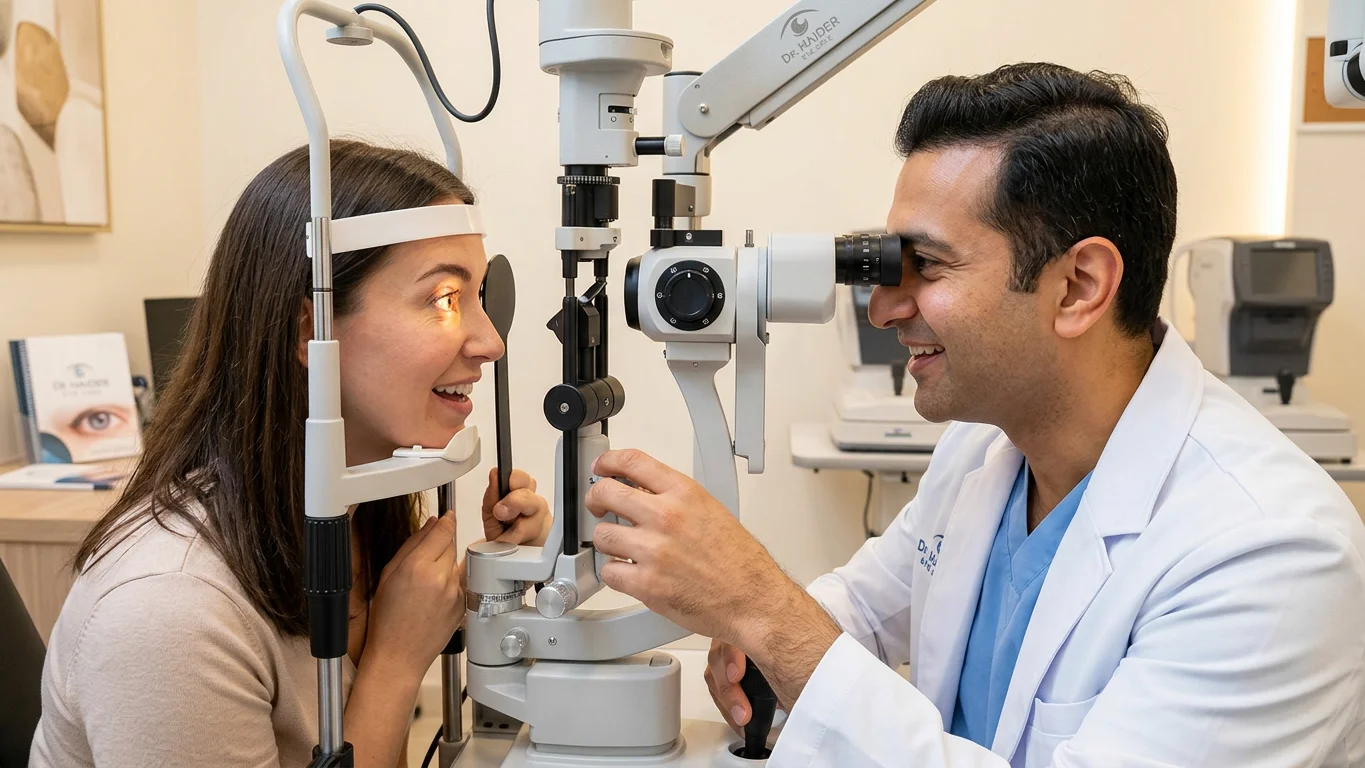
What You'll Learn About Complex Cataract Surgery
Key differences between simple and complex cataract surgery: Discover how complex surgeries differ in planning, tools, and patient care.
When surgical complexity matters most for eye health: Learn which conditions require an advanced approach and why timely action is crucial.
How your specialist plans a safe, effective outcome: Find out how pre-op assessments and surgical coordination ensure the best possible vision results.
Common Causes for Complex Cataract Surgery
Dense, mature cataracts: This type of cataract has grown thicker and cloudier over time, sometimes making the lens nearly opaque. Dense cataracts often require extra time and specialized techniques for safe extraction, as well as a greater focus on minimizing surgical trauma.
Previous eye surgeries or trauma: Patients who have had earlier procedures—such as retinal surgery or glaucoma treatment—or who have suffered eye injuries are at increased risk for complications during cataract extraction. Scarring, altered anatomy, or even prior lens implants change how your surgeon approaches the operation.
Corneal disease and scarring: Irregularities or scars on the clear front window of the eye (the cornea) affect both vision and how well the surgeon can see and reach the cataract. Extra care and sometimes corneal transplants or specialized instruments are needed to manage complex corneal cases.
Prior LASIK or other refractive procedures: Eyes that have had previous vision correction surgery need custom intraocular lens (IOL) calculations and careful planning. The changes in corneal shape from procedures like LASIK or PRK can make formula selection more challenging, impacting how calculations for lens selection are performed.
Zonular weakness or weakness in the structures that hold the lens: The zonules are delicate fibers that stabilize the eye’s natural lens. When weakened by age, genetics, trauma, or medical conditions, they can complicate cataract extraction and lens implant placement. Surgeons may use capsular tension rings or other support devices to ensure the lens remains secure during and after surgery.
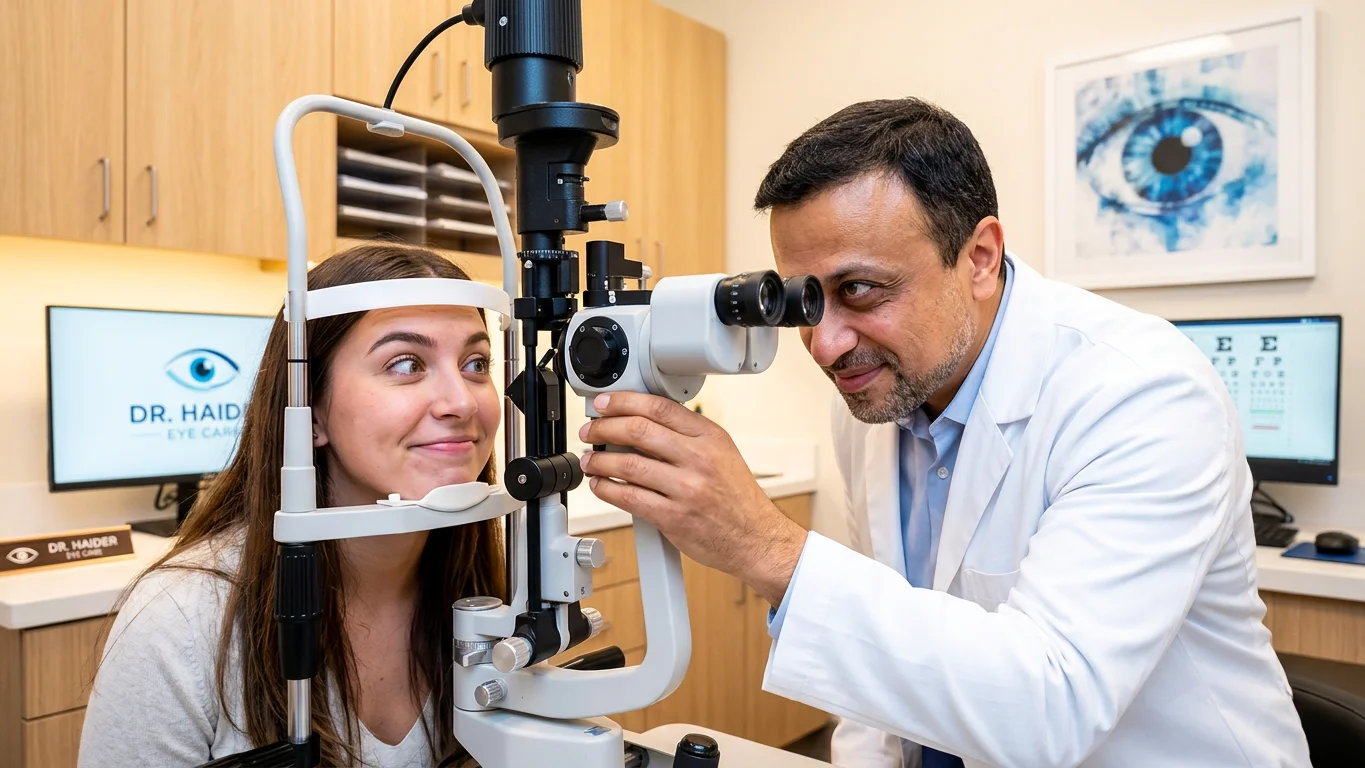
How Complex Cataract Surgery Differs from Standard Cataract Surgery
Specialized surgical tools and techniques: Complex surgeries often require additional techniques, such as capsular tension rings for support or specific devices to manage small pupils. These instruments help the surgeon safely remove the cataract and place the intraocular lens, even in highly delicate eyes.
Advanced intraoperative imaging and planning: Before and during surgery, your specialist uses ultrasound and other imaging technologies to assess the eye’s structure—accounting for prior LASIK, corneal scars, or other changes. This information helps determine the safest way to extract the cataract and accurately select the proper lens implant.
Customized care and anesthesia options: Some complex patients may benefit from targeted local anesthesia or mild sedation, especially if there is a history of anxiety, medical issues, or expected longer surgical times. Your care plan is adjusted to ensure comfort and safety throughout the procedure.
Close coordination with your eye care team: Complex cases mean your surgeon, optometrist, and staff work together every step of the way. At every transition from diagnosis through follow-up, detailed notes, imaging, and patient education minimize surprises and foster calm.
Role of Intraocular Lens Implants in Complex Cataract Surgery
Understanding intraocular lens choice and function: Following cataract extraction, a new intraocular lens (IOL) replaces your eye’s natural lens. For those with complex cataracts, choosing the right IOL is especially important. Factors such as eye length, prior corneal procedures, and individual visual needs influence which lens is best for you.
Selecting the right lens implant for complex cases: In eyes with corneal disease, prior refractive surgery, or other structural challenges, custom lens formulas must be used. Your surgeon may perform extra diagnostic testing to ensure calculations are accurate. In some cases, advanced toric or multifocal IOLs can address astigmatism or provide a range of vision, but careful discussion is necessary about the pros and cons in complex eyes.
How previous LASIK or corneal disease affects intraocular lens selection: LASIK and other refractive surgeries alter the cornea’s shape, making conventional IOL calculations less reliable. Surgeons use specialized methods to select and confirm the appropriate lens in these cases, avoiding vision surprises after surgery. Similarly, corneal scar or dystrophy may limit your choices or require staged procedures.

Table: Comparing Standard vs. Complex Cataract Surgery
Factor |
Standard Cataract Surgery |
Complex Cataract Surgery |
|---|---|---|
Criteria |
Healthy eye with basic cataract, no prior surgical history, clear cornea |
Dense or mature cataract, prior surgeries or trauma, corneal disease, small pupil, zonular weakness, previous LASIK |
Approach |
Routine techniques, basic imaging, standard IOL calculation |
Requires additional imaging, special surgical instruments, customized lens formulas, and techniques (e.g., capsular tension ring) |
Risk |
Generally low, quick recovery |
Increased due to case complexity—higher risk of surgical complications, requires advanced planning |
Patient Profile |
Typical aging adults without significant eye history |
Patients with prior eye surgeries, corneal diseases, trauma, small pupils, or other complicating factors |
Frequently Asked Questions about Complex Cataract Surgery
What is the difference between simple and complex cataract surgery?
Simple cataract surgery involves removing a basic cataract with little to no additional risk and placing a standard intraocular lens. Complex cataract surgery, in contrast, addresses more challenging scenarios such as dense cataracts, small pupils, or prior eye procedures. The surgical approach, planning, and tools must be tailored. Patients who qualify the case as complex often require additional techniques (like a capsular tension ring) and care due to higher risk factors.
What is the most serious type of cataract?
The most serious form often referred to as a "mature" or "hyper-mature" cataract, tends to be extremely dense and can block most light. These cataracts cause severe vision loss, noticeable glare, and may even lead to complications such as increased eye pressure. Removing such cataracts is more demanding and usually qualifies as complex, with increased chances of surgical challenge and a longer recovery.
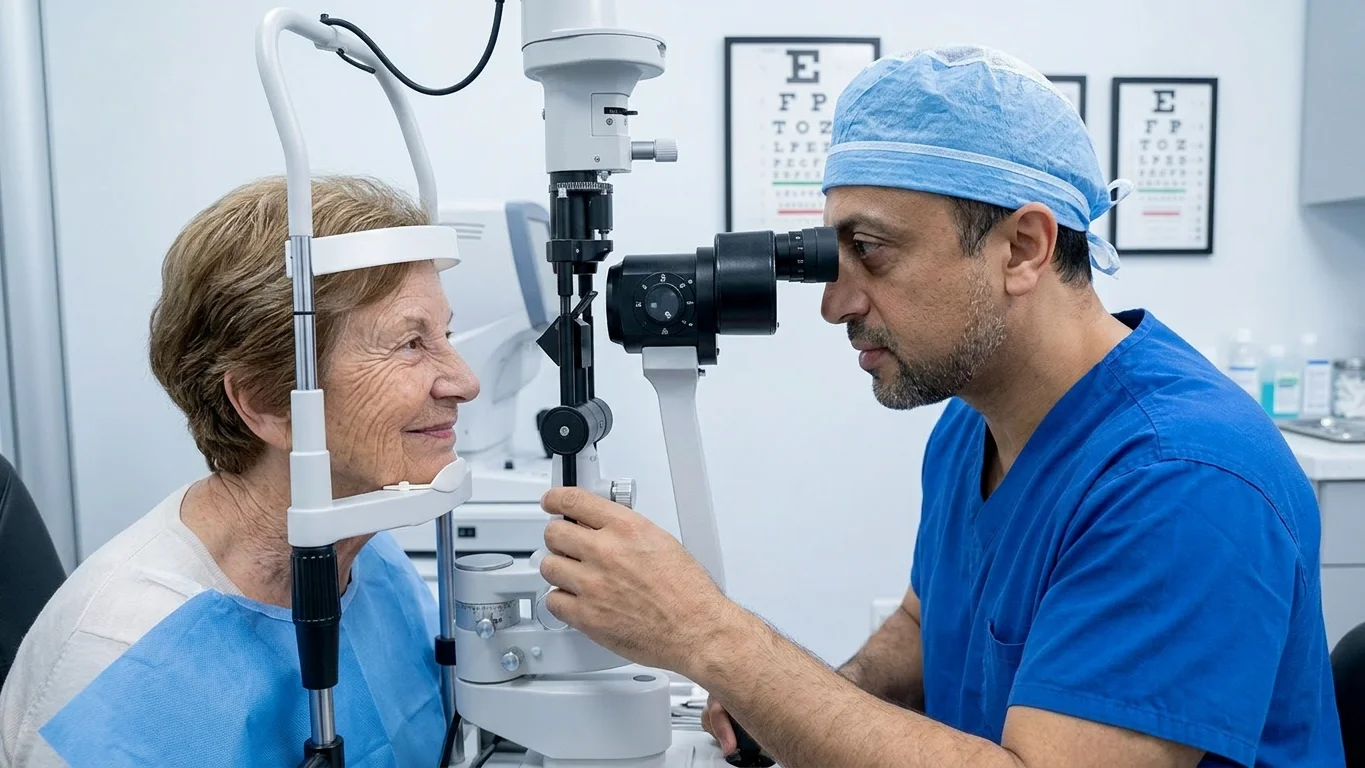
What qualifies as complex cataract surgery?
Several medical and surgical criteria can qualify the case as complex. These include dense cataracts, prior eye surgeries (for retina or glaucoma), corneal scars or diseases, and weakened lens support. Additionally, small pupils or odd anatomical structures may require the surgeon to use special techniques or devices such as a capsular tension ring. Insurance carriers and Medicare sometimes require additional procedure coding (such as specific CPT code documentation) to ensure local coverage or claims processing for complex cases.
How long does a complex cataract surgery take?
Complex cataract surgery may take longer than basic procedures, often ranging from 30 to 60 minutes depending on the case. The time includes preparation, local anesthesia, the advanced surgical steps, and time to ensure correct intraocular lens placement. Patients can expect thorough monitoring before, during, and after the procedure, and are usually allowed home within a few hours. Communication with your surgeon is key to setting appropriate expectations and addressing any concerns before surgery starts.
Inside the Operating Room: What to Expect During Complex Cataract Surgery
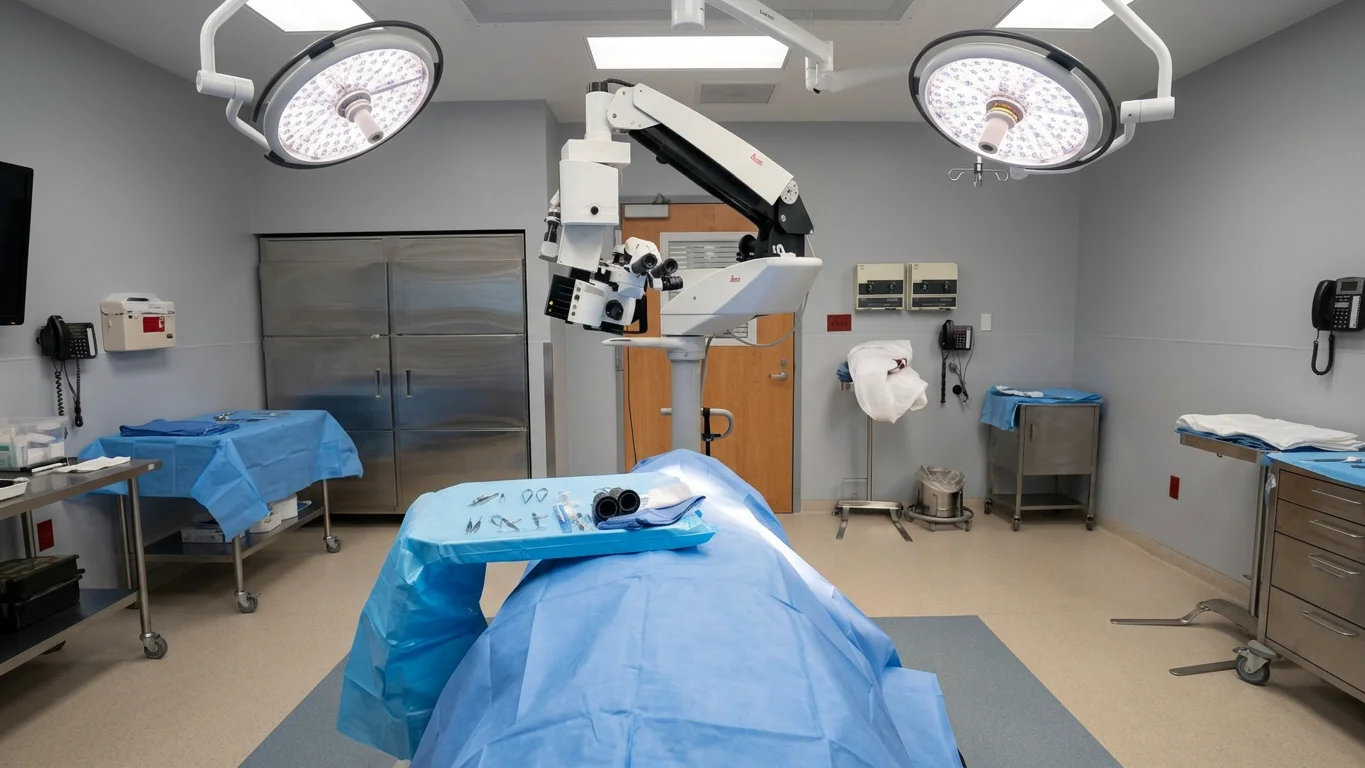
Step-by-step walkthrough of the surgical process: The day of surgery begins with careful preoperative checks. You’ll be greeted by nurses who confirm your medical history, check vital signs, and answer last-minute questions. After anesthesia is applied (either drops or a mild injection), your eye is cleaned and surrounded with a sterile drape. Your specialist uses advanced imaging to map the eye, then makes tiny incisions to access the clouded lens. Special devices, such as capsular tension rings or pupil expanders, may be used. The cataract is gently broken apart and removed with ultrasonic tools. Next, the new intraocular lens is positioned for the best vision correction.
The patient experience: pre-op, during surgery, and immediate recovery: Before entering the operating room, you’ll have the opportunity to discuss any anxieties. Many patients are surprised to feel little or no pain; some notice bright lights and gentle movement but remain calm and comfortable. After surgery, you rest briefly and receive instructions for care at home. With most modern surgical techniques, you can go home the same day.
What your surgeon does to protect your vision throughout: Your specialist monitors eye pressure, maintains safe surgical conditions, and employs advanced techniques to avoid complications. Every decision—from anesthesia to lens choice—is tailored for your safety and long-term vision. The focus remains on both removing the cataract and preserving healthy eye structures.
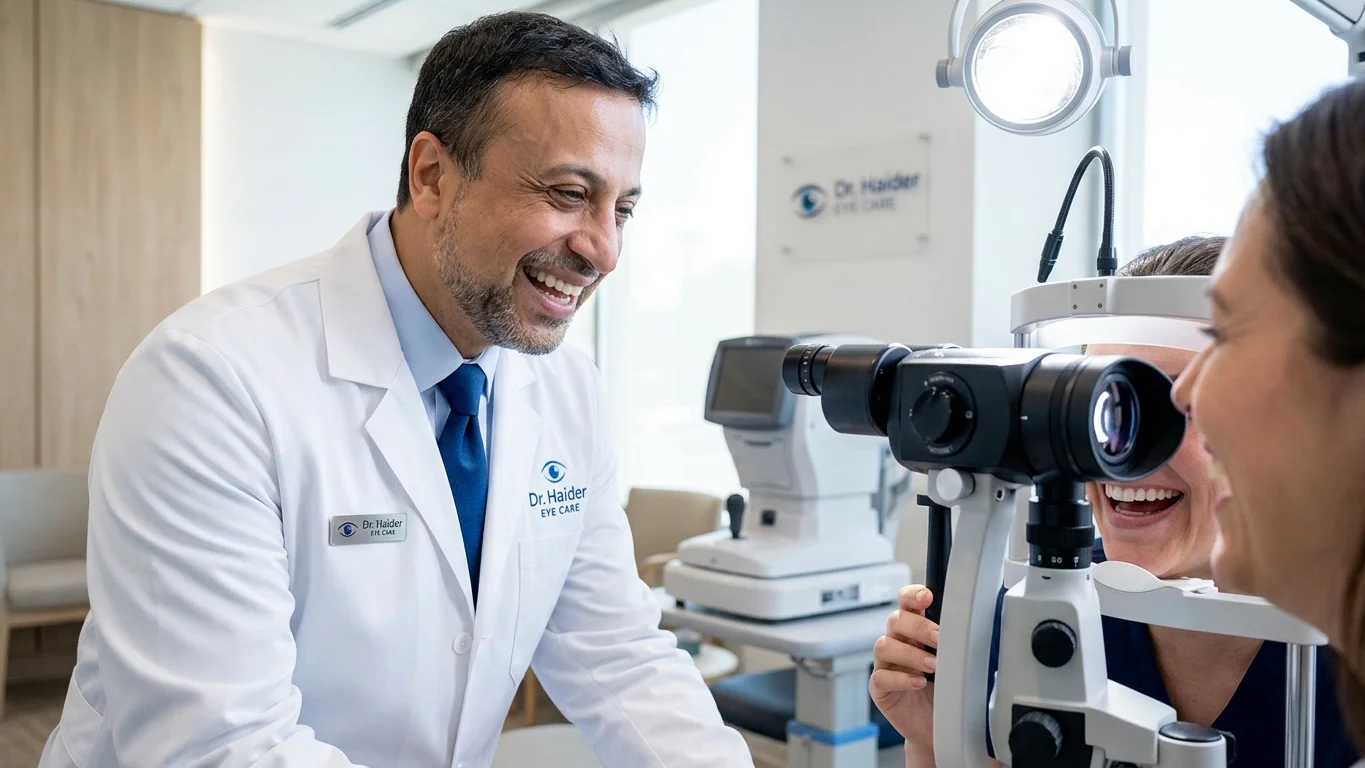
Dr. Haider’s Approach to Complex Cataract Surgery
"Every patient is unique. My role is to listen, plan thoroughly, and guide each person safely through advanced cataract surgery that’s right for their eyes." – Dr. Mohammad Haider
Personalized care from consultation through follow-up: Dr. Haider meets with each patient personally, examining the eyes and reviewing both history and goals. He believes that no two cases are the same and that a clear, step-by-step plan is essential from the first visit through to final recovery.
Commitment to patient education and relaying surgery details in clear terms: Patients are encouraged to ask questions, and no concern is too small. Dr. Haider explains complicated concepts in plain language, helping patients and their families feel informed and confident as they approach surgery.
Advanced techniques for difficult cases, especially after prior procedures: Whether the challenge is a dense cataract, previous LASIK, or corneal disease, Dr. Haider employs the latest specialized tools and surgical planning. Each decision is focused on restoring sight while prioritizing safety and long-term results.
Watch: How advanced cataract surgery helps patients with complex eyes. For detailed questions, always consult a specialist like Dr. Haider.
Top Tips for a Smooth Recovery After Complex Cataract Surgery
Gentle self-care measures after surgery: Follow all instructions about eye drops, rest, and hygiene. Use clean hands, avoid rubbing the eye, wear a shield as recommended, and protect your eye from dust or injury. Light activities are usually fine, but always check before resuming exercise or heavy work.
Red flags: when to call your surgeon: Contact your eye care team immediately if you notice sudden, severe pain, vision loss, flashing lights, or increasing redness. These could be signs of rare complications that need prompt attention to safeguard your sight.
Encouragement for patients facing anxiety about vision or independence: It’s natural to worry when your vision changes. Recovery from complex cataract surgery can bring hope and clear improvement, especially with patience and the support of your care team. Ask questions, share concerns, and remember—your surgeon is your partner in restoring independence and peace of mind.
Key Takeaways for Those Considering Complex Cataract Surgery
Complex cataract surgery restores vision in challenging cases: Even eyes with prior surgery, dense cataracts, or corneal disease can often be improved with the right approach.
Choosing a surgeon who explains each step fosters calm and confidence: Understanding the process, risks, and options is key to a positive outcome.
Every eye is different: personalized surgical planning is essential: Tailored care from an experienced, independent specialist provides the best chance for restored sight and quality of life.
If you’re ready to take the next step in safeguarding your vision, consider exploring the full range of advanced eye care solutions available at Haider Eye Care. Their commitment to personalized treatment and the latest technology ensures that even the most complex vision challenges are met with expertise and compassion. Whether you’re seeking a second opinion, interested in preventive care, or want to learn about innovative surgical options, their team is dedicated to helping you achieve the best possible outcomes. Discover how a comprehensive approach to eye health can make a lasting difference in your quality of life.
Reach Out for a Comprehensive Exam
When you’re ready to see what’s possible for your eyes and your future, schedule a personalized consultation. Book your exam today. Call us at (502) 883-1015.




Write A Comment